Fatty Liver Diet: Foods to Include and Foods to Avoid
Fatty liver disease is becoming increasingly common worldwide, often linked to diet, lifestyle, and metabolic health. The good news is that in many cases, early-stage fatty liver can be improved—or even reversed—through healthy eating habits and lifestyle changes.
Understanding what to eat and what to avoid is a key step in managing the condition.
🫀 What is Fatty Liver?
Fatty liver disease occurs when excess fat builds up in the liver. Over time, this can lead to inflammation, liver damage, and more serious complications if not managed properly.
Diet plays a major role in either improving or worsening this condition.
🥗 Foods to Include (Liver-Friendly Choices)
A balanced, nutrient-rich diet can help reduce fat buildup in the liver and support overall health.
🥦 1. Vegetables
Leafy greens like spinach, kale, broccoli, and cabbage are rich in antioxidants and fiber, which support liver function.
🍎 2. Fruits (in moderation)
Apples, berries, and citrus fruits provide vitamins and antioxidants that help reduce inflammation.
🐟 3. Healthy proteins
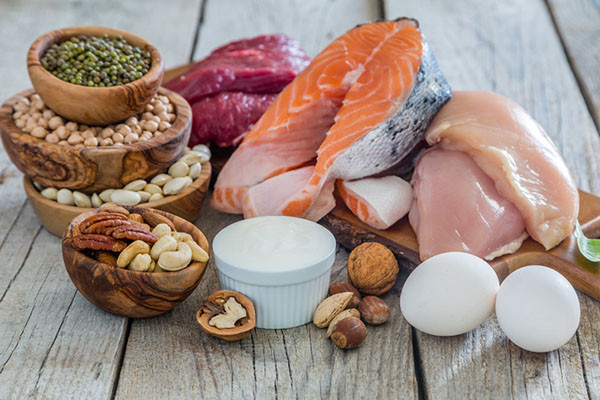
Fish, especially fatty fish like salmon and sardines, provide omega-3 fatty acids that may help reduce liver fat.
🌾 4. Whole grains
Oats, brown rice, and quinoa help regulate blood sugar and improve metabolism.
🫒 5. Healthy fats
Foods like olive oil, nuts, and seeds support heart and liver health when consumed in moderation.
💧 6. Water and green tea
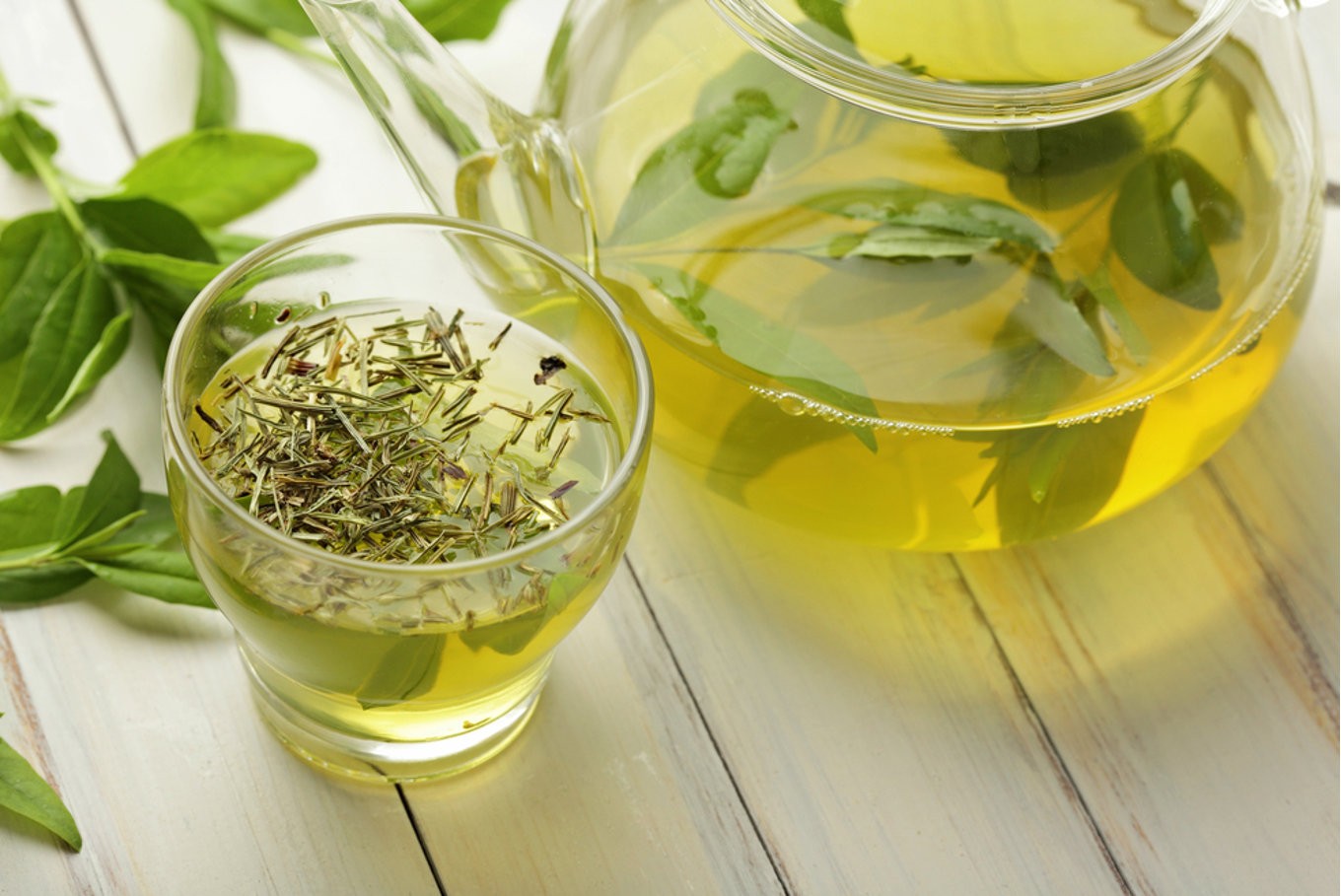
Staying hydrated and drinking antioxidant-rich beverages can support detoxification processes in the body.
🚫 Foods to Avoid (Can Worsen Fatty Liver)
Certain foods can increase fat accumulation in the liver and should be limited or avoided.
🍬 1. Sugary foods and drinks
Soft drinks, candy, pastries, and desserts high in sugar can contribute to fat buildup in the liver.
🍔 2. Processed and fried foods
Fast food, fried snacks, and processed meats are high in unhealthy fats and calories.
🍞 3. Refined carbohydrates
White bread, white rice, and pastries can spike blood sugar levels and worsen liver fat accumulation.
🍺 4. Alcohol
Alcohol is a major contributor to liver damage and should be avoided or strictly limited.
🧂 5. High-salt foods
Excess sodium can contribute to fluid retention and overall metabolic stress.
⚖️ Lifestyle Matters Too
Diet alone is not enough. Managing fatty liver also involves:
- Regular physical activity
- Maintaining a healthy weight
- Controlling blood sugar and cholesterol
- Getting enough sleep
Even small daily changes can make a big difference over time.
💡 Final Thoughts
Fatty liver disease is strongly influenced by lifestyle choices. A diet rich in whole, natural foods and low in sugar, processed items, and unhealthy fats can significantly improve liver health.
Instead of extreme restrictions, focus on balanced, consistent, long-term habits that support your overall well-being.
📚 Sources
- World Health Organization (WHO) – Nutrition and metabolic health guidance
- American Liver Foundation – Fatty liver disease dietary recommendations
- National Institutes of Health (NIH) – Liver health and metabolic research
- Mayo Clinic – Fatty liver disease overview and management guidelines