The World’s Deadliest Food Kills Over 200 People Each Year—Yet Millions Still Eat It
When people think of dangerous foods, they often imagine exotic delicacies or toxic mushrooms. But one of the world’s deadliest foods is surprisingly common—and chances are, you’ve heard of it before.
Cassava, a starchy root vegetable consumed by nearly 500 million people worldwide, is a staple food in many regions, especially across Africa, Asia, and South America. It’s affordable, easy to grow, and highly resilient in harsh climates. For millions, it’s not just food—it’s survival.
Yet cassava hides a dangerous secret.
⚠️ A Hidden खतरा in a Common Food
Cassava naturally contains compounds called cyanogenic glycosides, which can release cyanide—a potent toxin—when the plant is eaten raw or improperly prepared. The highest concentrations are found in the peel and leaves, but even the flesh can be dangerous if not processed correctly.
Each year, more than 200 people die from cyanide poisoning linked to cassava consumption. Many more suffer from long-term health effects.
🧠 The Health Risks
Improperly prepared cassava can lead to serious health issues, including:
- Acute poisoning, causing nausea, vomiting, dizziness, and even death
- Neurological disorders, such as konzo—a condition that leads to irreversible paralysis of the legs
- Chronic toxicity, especially in communities that rely heavily on cassava during food shortages
These risks are highest in areas where food insecurity forces people to skip proper preparation methods.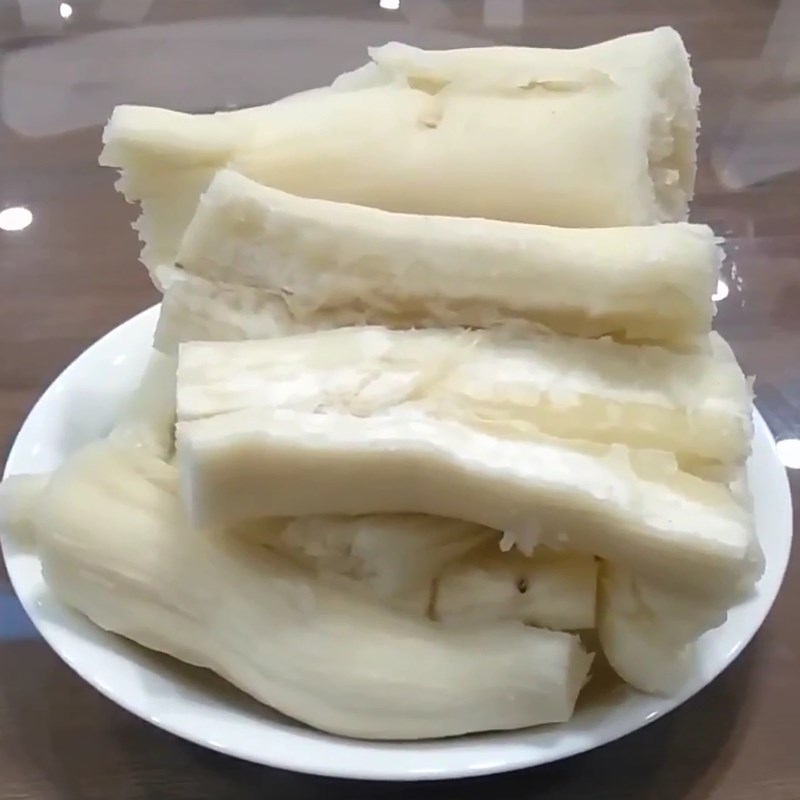
🌍 Why Do People Still Eat It?
Despite the dangers, cassava remains a dietary cornerstone for hundreds of millions of people. The reasons are simple:
- It’s cheap and widely available
- It can grow in poor soil and drought conditions
- It provides a reliable source of calories where other crops may fail
For many communities, avoiding cassava isn’t an option.
✅ The Key: Proper Preparation

The important thing to understand is that cassava is not inherently deadly—it becomes dangerous only when handled incorrectly.
Traditional preparation methods significantly reduce its toxicity. These include:
- Peeling the root thoroughly
- Soaking it in water for extended periods
- Fermenting, drying, or cooking it at high temperatures
When processed properly, cassava is safe to eat and has sustained populations for generations.
💡 Final Thoughts
Cassava is a powerful example of how something essential can also be risky. It feeds millions, yet takes lives each year—not because it must, but because it’s sometimes misunderstood or improperly prepared.
In the end, the difference between nourishment and danger comes down to knowledge.