
Start Eating 2 Eggs a Day — Here’s How Your Body Changes
2 Eggs a Day: Surprising Changes in Your Body
Refrigeration is one of the easiest ways to preserve food—but not everything belongs in the fridge. In fact, storing certain foods at low temperatures can ruin their flavor, texture, and even nutritional value. Some items last longer and taste better when kept at room temperature or in a cool, dry place. Here are 12 everyday foods you should never put in the refrigerator—and why:
1. Tomatoes
Cold temperatures break down the structure of tomatoes, leaving them mushy and dull in flavor. For the best taste, store them at room temperature away from direct sunlight.
2. Potatoes
Refrigerating potatoes causes their starches to convert into sugar more quickly, resulting in a gritty texture and an overly sweet taste. Keep them in a cool, dark, and well-ventilated place instead.
3. Onions
Whole onions can become soft and moldy in the fridge due to moisture. Store them in a dry, ventilated area—just keep them away from potatoes to prevent spoilage.
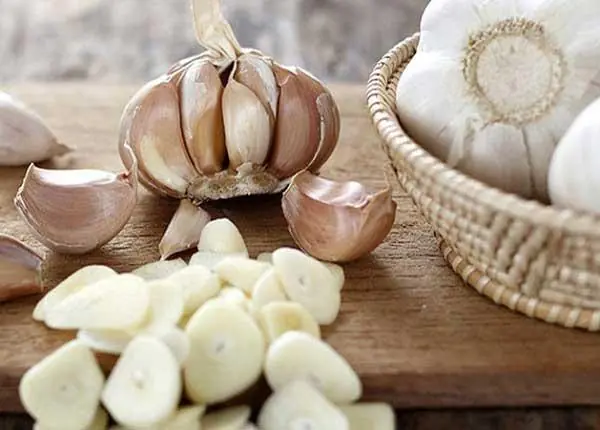
4. Garlic
Garlic loses its strong flavor and can sprout faster when refrigerated. It’s best kept in a dry, airy container at room temperature.
5. Bread
While it might seem logical, storing bread in the fridge actually makes it stale faster. Keep it at room temperature or freeze it if you want to extend its shelf life.
6. Honey
Honey naturally preserves itself. Refrigeration can cause it to crystallize and harden. Store it in a sealed container at room temperature for the best consistency.
7. Coffee
Ground or whole bean coffee can absorb moisture and odors from the fridge, affecting its flavor. Keep it in an airtight container in a cool, dark place.
8. Bananas
Bananas are sensitive to cold temperatures, which can slow down ripening and turn their skins dark. Let them ripen naturally at room temperature.
9. Avocados (Unripe)
Putting unripe avocados in the fridge slows the ripening process. Leave them out until ripe, then refrigerate only if you need to extend their freshness.
10. Olive Oil
Cold temperatures can cause olive oil to solidify and become cloudy. Store it in a pantry or cupboard away from heat and light.
11. Basil
Basil wilts quickly in the refrigerator and can absorb surrounding odors. Treat it like fresh flowers—store it in a glass of water at room temperature.
12. Melons (Whole)
Whole melons, such as watermelon or cantaloupe, retain more antioxidants when stored at room temperature. Once cut, however, they should be refrigerated.
Conclusion
Not all foods benefit from refrigeration. Knowing where to store your food properly can help preserve flavor, texture, and nutritional value—while also reducing waste. By keeping these 12 everyday items out of the fridge, you’ll enjoy better-tasting meals and make the most of your groceries.
2 Eggs a Day: Surprising Changes in Your Body

From Heart to Digestion: 10 Benefits of Chayote Squash
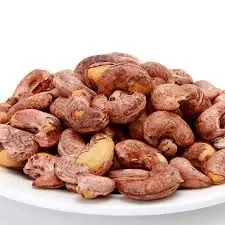
Doctors explain what happens when you eat cashews…

Pine cones aren’t just what they seem… here’s the truth
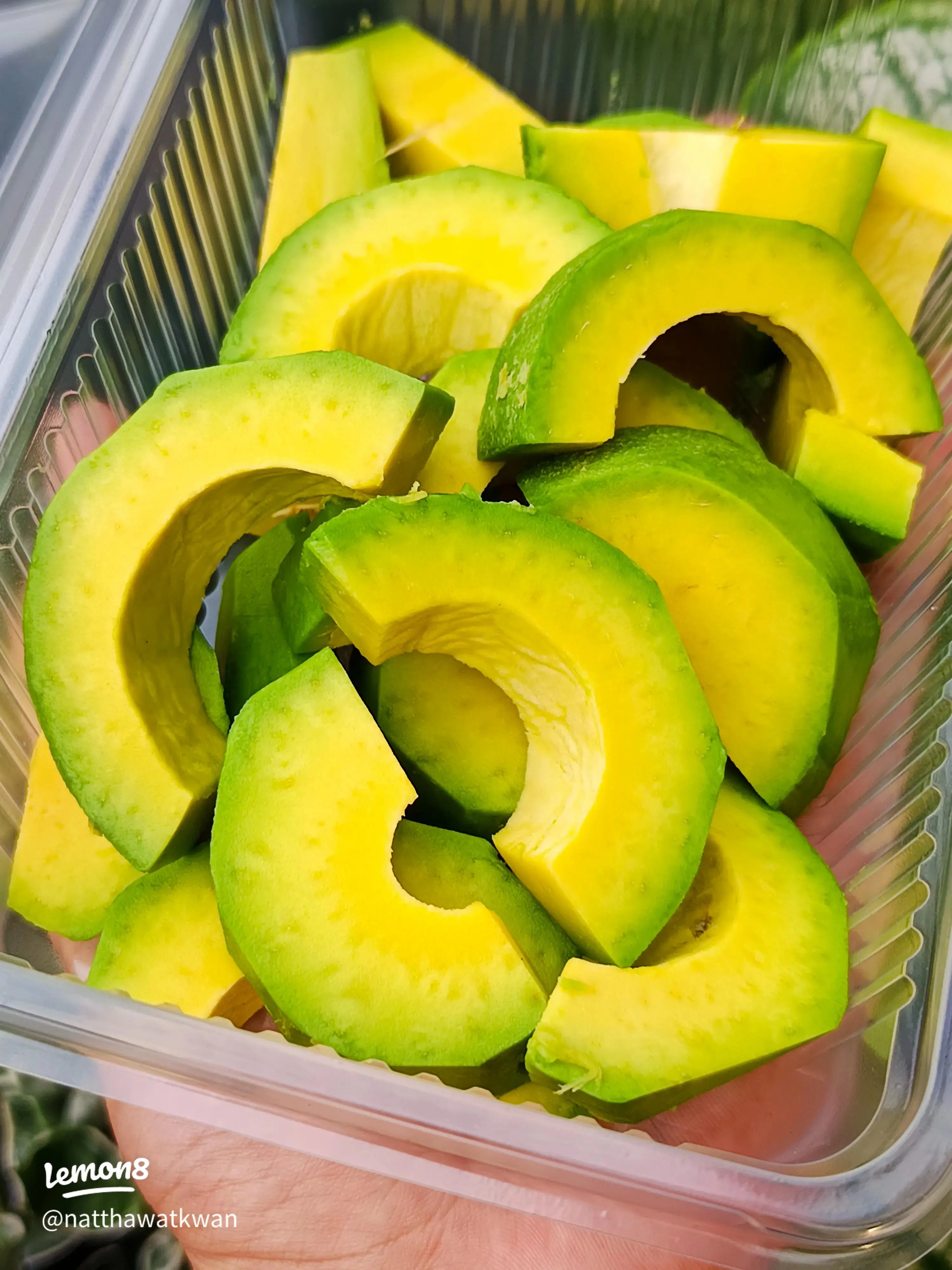
The Surprising Effects of Avocado on Your Body

Eating Potatoes Daily—This Is What Happens to Your Body
Can Eating Watermelon Every Day Change Your Body?

Unexpected Liver Test Results After Daily Consumption of Steamed Sweet Potatoes
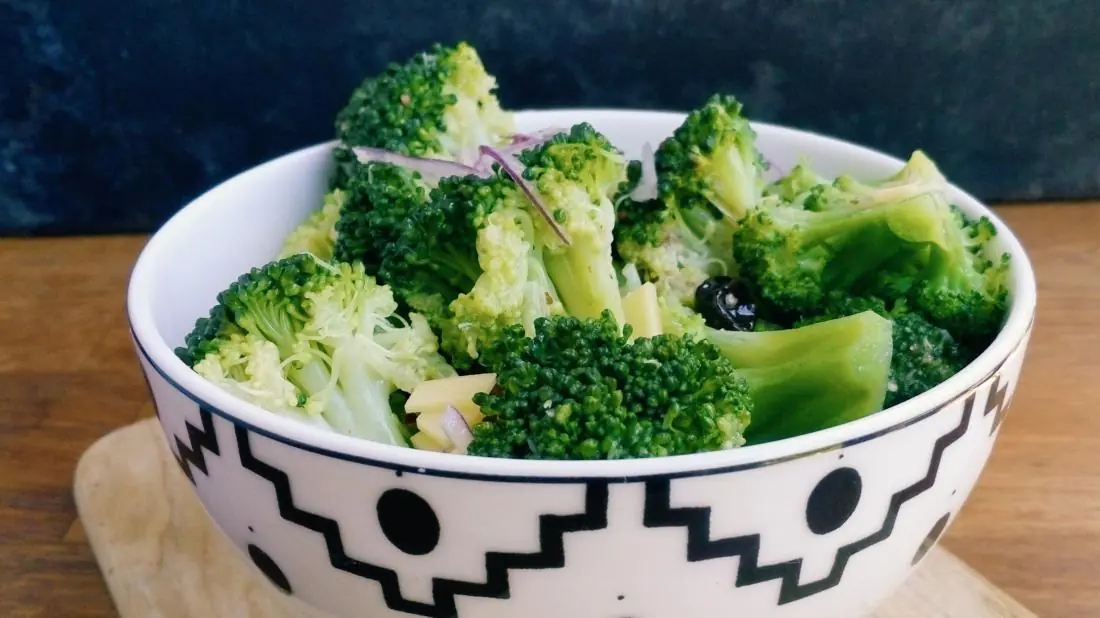
Green broccoli: Doctors highlight its possible benefits

The Hidden Health Benefits of Chicken Feet

Parasites in Food: 4 Items Doctors Say to Be Careful With

Bananas Daily: Good or Bad for Blood Pressure?
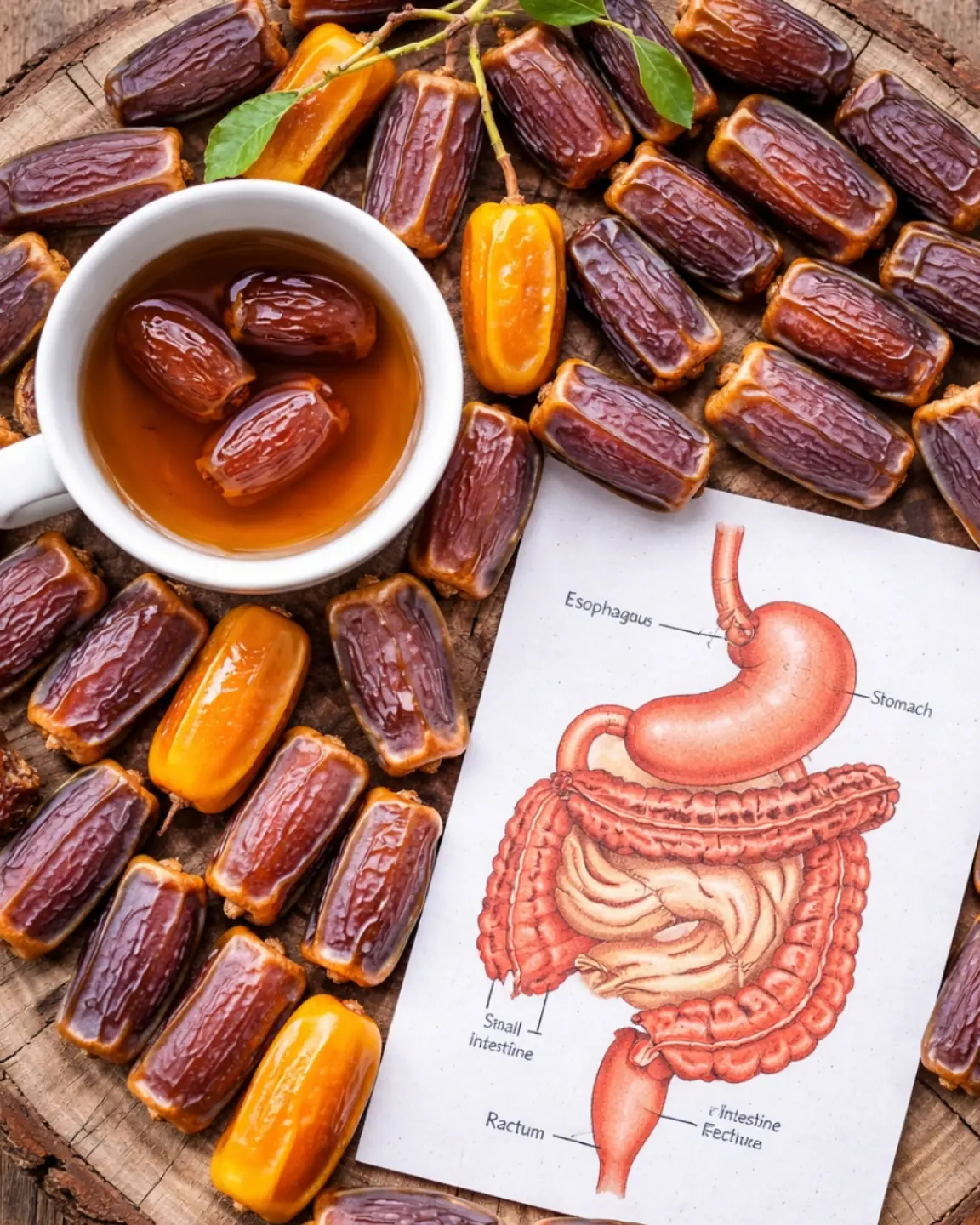
Dates for Health: Benefits, Nutrients, and Things to Consider

Banana Before Bed: Sleep, Digestion, and Health Explained
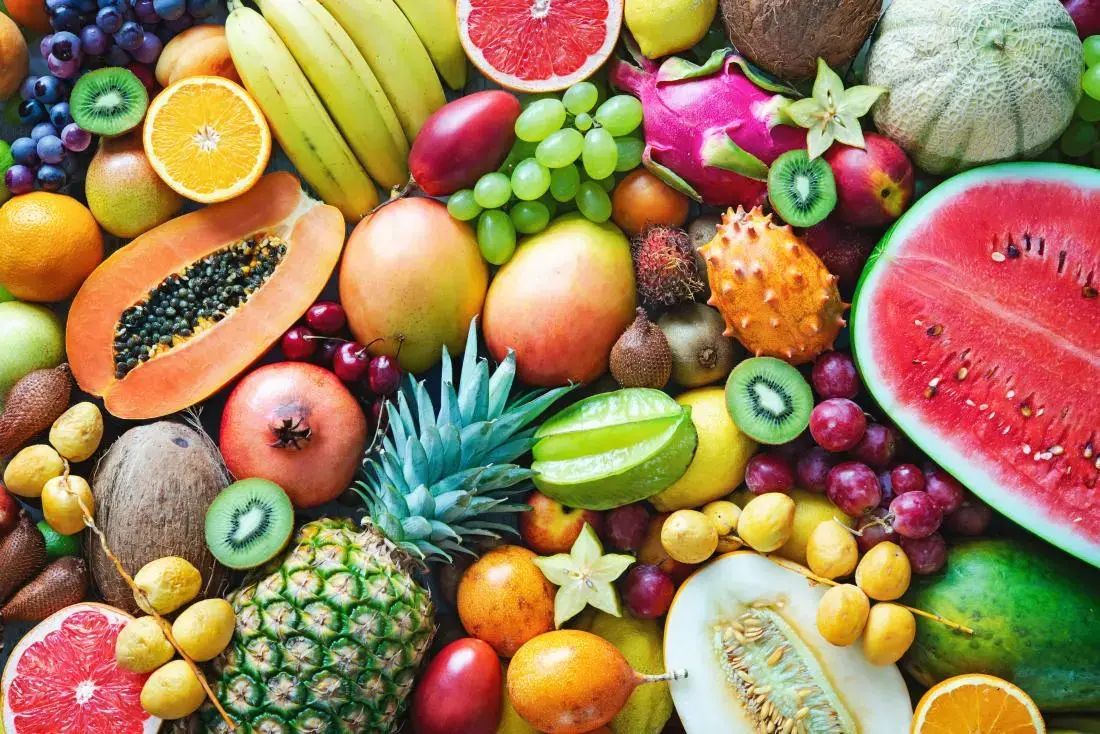
5 Common Fruit Myths Busted: When to Eat for Maximum Benefit
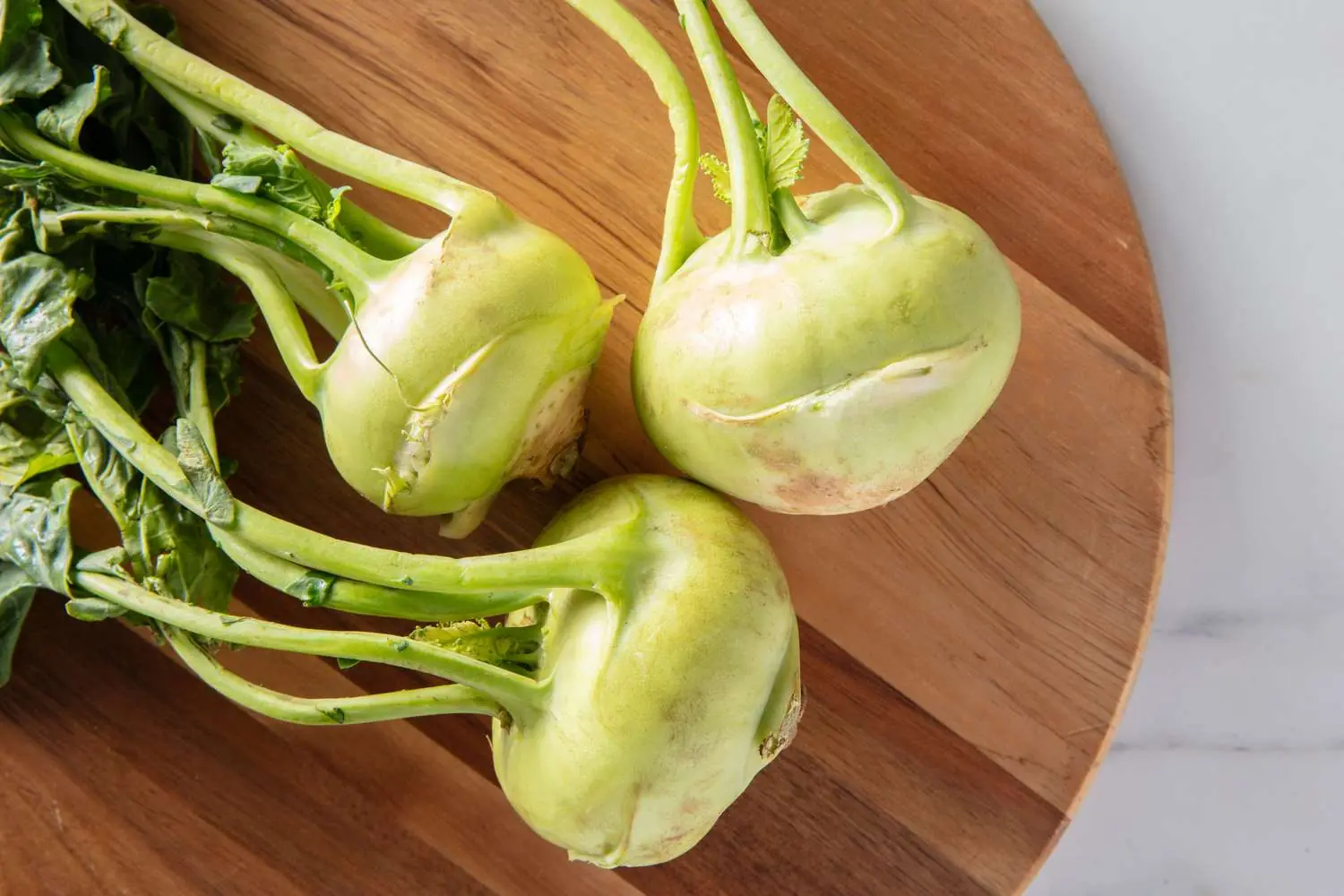
Who Should Not Eat Kohlrabi and Why

The Truth About Eating Cabbage Daily

Not everyone should eat oysters — are you at risk?
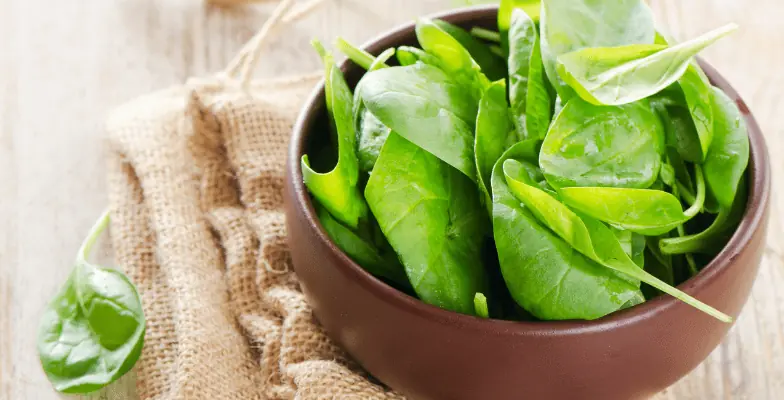
4 Best Ways to Eat Spinach for Maximum Nutrition
10 Amazing Benefits of Garlic and Its Natural Infection-Fighting Power

What science says about oregano and its role in improving health?
2 Eggs a Day: Surprising Changes in Your Body

Tips to eliminate chemical residues from supermarket chicken

Your feet may be trying to warn you about circulation and nerve issues—here are twelve signs you should always take seriously

Heel pain is a common complaint that affects people of all ages. While many cases are caused by minor issues such as overuse, poor footwear, or strain from physical activity, pharmacists and healthcare professionals warn that persistent or severe heel pai

Nighttime symptoms can sometimes be overlooked as mere discomfort, but certain recurring patterns could signal more serious underlying health conditions, including cancer.

Pork is one of the most widely consumed meats worldwide, but many people only eat muscle meat while overlooking some of the most nutritious and valuable parts of the pig. Certain pig parts are not only rich in essential nutrients but also have medic

This might sound unbelievable, but in reality, many small changes in the body, particularly abnormalities in the fingers, can be early warning signs of serious health issues.

Chicken is a low-fat, low-calorie poultry that is rich in protein. Not only is chicken versatile and can be made into many delicious dishes, but it is also very good for your health.


One type of cancer that is rapidly increasing in young people, faster than colorectal cancer, is esophageal cancer. This cancer has seen alarming growth rates in recent years, especially in individuals aged 25 to 40.

In addition, stools may be pale in color and have an odor, which is also a sign that the pancreas is blocked by a cancerous tumor.

Snakes are listed among the most dangerous animals to humans. Surely, none of us wants to encounter these creatures within our home premises.

Many people often have the habit of soaking meat in water first to quickly defrost it with hot or cold water.

7-year-old old boy mocked by by classmates for bad smell, mother stunned by what doctor removed from his mouth'

Sweet potatoes are often hailed as a nutritional powerhouse, offering numerous health benefits when incorporated into a balanced diet.
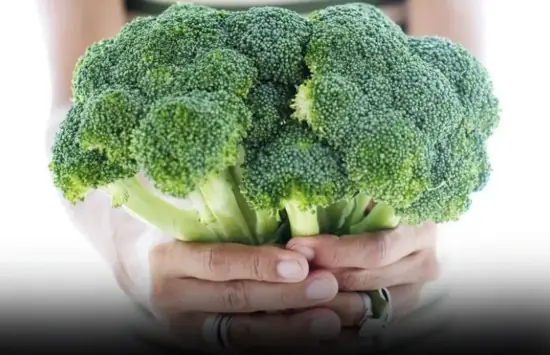
Broccoli is a common vegetable with many outstanding health benefits, ranging from reducing the risk of cancer and protecting the heart to improving digestion and boosting immunity. It truly deserves a place on every family’s dining table.

It can be extremely taxing to recognize when a loved one may be nearing the end of their life.