Kohlrabi Isn’t for Everyone: Who Should Avoid This Nutritious Vegetable
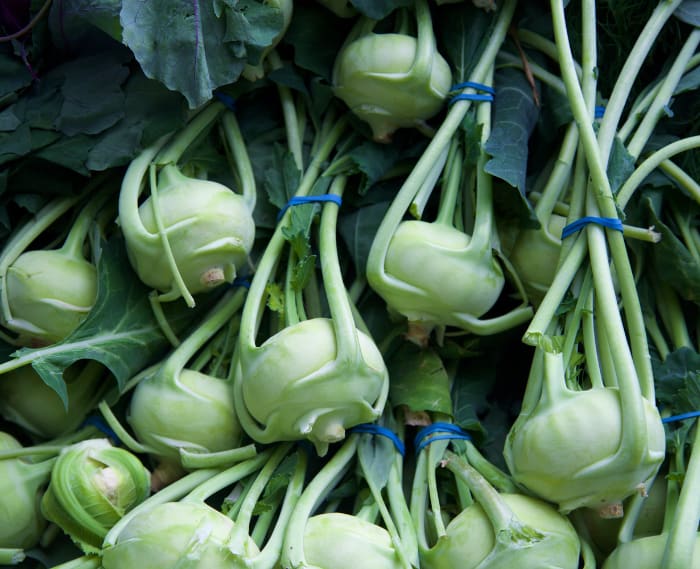
Kohlrabi—a crunchy, slightly sweet vegetable from the cabbage family—is often praised for its high fiber, vitamin C, and antioxidant content. It’s a healthy addition to many diets, whether eaten raw in salads or cooked in soups and stir-fries.
However, like many otherwise nutritious foods, kohlrabi isn’t suitable for everyone. Certain individuals may need to limit or avoid it due to how it affects their bodies or existing health conditions.
🥬 What makes kohlrabi healthy?

Before diving into who should avoid it, it’s worth noting why kohlrabi is so popular:
- Rich in fiber, supporting digestion
- High in vitamin C, boosting immunity
- Contains antioxidants that help fight inflammation
- Low in calories, making it weight-friendly
But these benefits don’t apply equally to everyone.
⚠️ Who should be careful with kohlrabi?
1. People with thyroid issues
Kohlrabi belongs to the cruciferous vegetable family, which contains compounds known as goitrogens. These substances can interfere with iodine uptake, potentially affecting thyroid function—especially in people with existing thyroid disorders.
👉 If you have thyroid problems, eating large amounts of raw kohlrabi regularly may not be ideal. Cooking it can help reduce this effect.
2. People prone to bloating or sensitive digestion
Kohlrabi is high in fiber and certain carbohydrates that can be hard to digest for some people. This may lead to:
- Gas
- Bloating
- Abdominal discomfort
👉 If you have a sensitive stomach or conditions like irritable bowel syndrome (IBS), start with small portions and see how your body reacts.
3. People with kidney problems
Kohlrabi contains potassium, which is generally good for heart and muscle function. However, people with kidney disease may need to limit potassium intake because their bodies cannot remove excess amounts efficiently.
👉 If you’re on a potassium-restricted diet, consult your doctor before eating kohlrabi regularly.
4. People taking blood-thinning medication
Like many green vegetables, kohlrabi contains vitamin K, which plays a role in blood clotting. This can interfere with medications such as warfarin.
👉 If you’re on blood thinners, consistency is key—avoid sudden increases in vitamin K–rich foods without medical advice.
5. People with allergies (rare cases)
Although uncommon, some individuals may have allergic reactions to cruciferous vegetables, including kohlrabi. Symptoms might include itching, swelling, or digestive issues.
👉 If you notice unusual reactions after eating kohlrabi, it’s best to avoid it and seek medical guidance.
🧠 Tips for safer consumption

If you enjoy kohlrabi but fall into one of the groups above, you don’t necessarily have to eliminate it completely. Consider these tips:
- Eat it in moderation
- Try it cooked instead of raw
- Combine it with other vegetables for balance
- Pay attention to how your body responds
🌿 The bottom line
Kohlrabi is a nutritious and versatile vegetable—but it’s not universally suitable. People with thyroid conditions, digestive sensitivity, kidney issues, or those on certain medications should be mindful of how much they consume.
As with most foods, the key is balance and awareness. Listening to your body—and seeking medical advice when needed—will help you enjoy the benefits of kohlrabi without unwanted side effects.