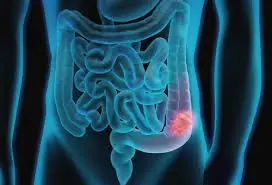
Early Detection Matters: 6 Signs of Stage 1 Colon Cancer
6 Early Colon Cancer Symptoms Everyone Should Watch For
Health 07/04/2026 11:21
Doctors Explain the Health Differences Between People Who Wake Up at Night to Urinate and Those Who Don’t
Waking up in the middle of the night to use the bathroom—known medically as nocturia—is something many people experience, especially as they get older. For some, it happens occasionally and feels harmless. For others, it becomes a nightly disruption that affects sleep, energy levels, and overall health.
So what’s the difference between people who sleep through the night and those who don’t? According to doctors, it’s often more than just drinking too much water before bed.

Nocturia is defined as waking up one or more times during the night to urinate. While a single trip to the bathroom may not be concerning, frequent awakenings can signal underlying issues.
People who don’t wake up at night typically have:
Those who wake frequently may be experiencing changes in one—or several—of these areas.
One key difference lies in a hormone called antidiuretic hormone (ADH). This hormone helps your body reduce urine production at night.
Another factor is how the bladder functions:
Conditions like overactive bladder can make nighttime awakenings more frequent.
Doctors often point out that frequent nighttime urination can be linked to broader health issues, such as:
People who don’t experience nocturia are generally less likely to have these underlying disruptions.
Daily habits also play a major role:

One of the biggest differences is sleep quality.
Over time, disrupted sleep can affect mood, memory, and even immune function.
Occasional nighttime urination is normal. However, you should consider speaking with a doctor if you:
Doctors often recommend simple lifestyle adjustments:
The difference between people who wake up at night to urinate and those who don’t often comes down to a combination of hormones, bladder function, lifestyle, and overall health.
While it may seem like a small inconvenience, frequent nighttime urination can be your body’s way of signaling that something needs attention. Understanding these differences can help you take steps toward better sleep—and better health overall.
6 Early Colon Cancer Symptoms Everyone Should Watch For
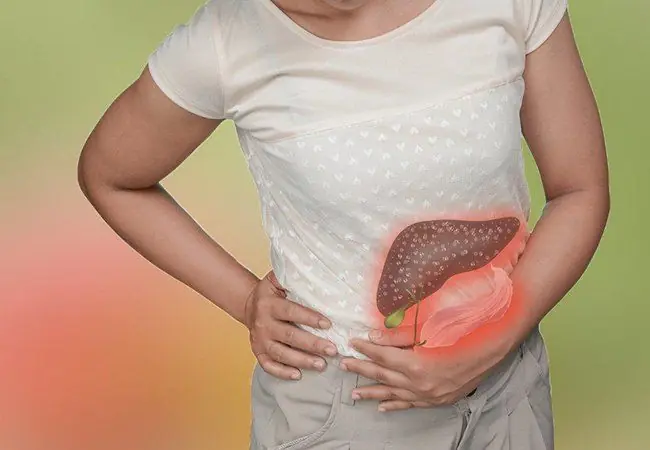
6 red flags your liver may be in trouble - don’t ignore them

Pork is a staple in many cuisines around the world, but it’s also one of the most common sources of foodborne illness when not handled or cooked properly.
Here are 9 foods with natural anti-cancer properties that research consistently highlights for their powerful protective effects.

What research shows about the effects of cutting down on alcohol?

The female body cannot lack estrogen, the most important hormone that affects health and beauty. It has many effects on the skin, body shape, cardiovascular health, bones and joints, mood and fertility.

10 proven ways dark chocolate can support your body and well-being

Doctors Warn: This Common Way of Eating Boiled Eggs Can Clog Your Arteries — Yet Many Still Do It Daily Without Realizing the Risk
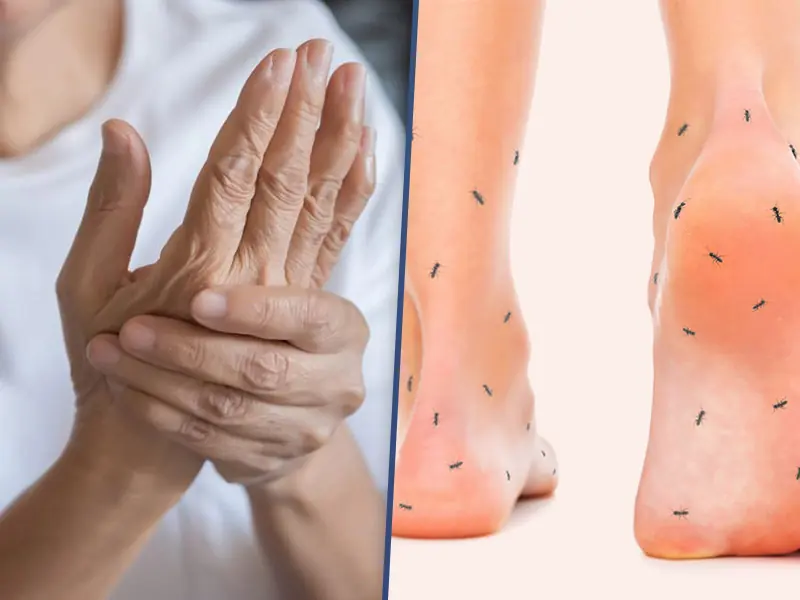
Why Do Your Hands and Feet Tingle? Discover Paresthesia

Sweet Potatoes: A Nutritious Food for Health and Taste Not only are sweet potatoes themselves a healthy food, but their leaves and stems can also be used for consumption.

Recently, a worrying incident occurred at a family in Vietnam, where a cobra suddenly emerged from the air conditioner, climbed onto a 7-year-old girl, and bit her.
7 Positive Signs of Healthy Kidney Function
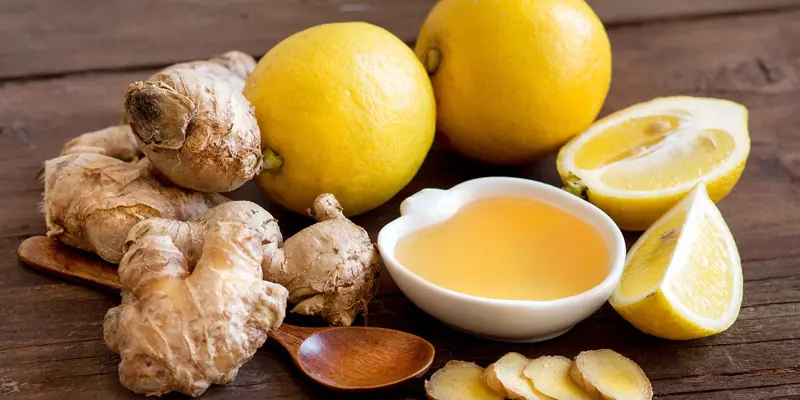
A Natural Mix of Moringa, Ginger, and Lemon to Support Youthful Energy
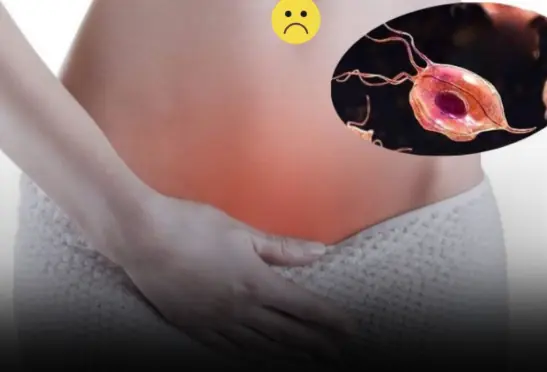
In everyday life, most women pay close attention to personal hygiene—especially intimate care.
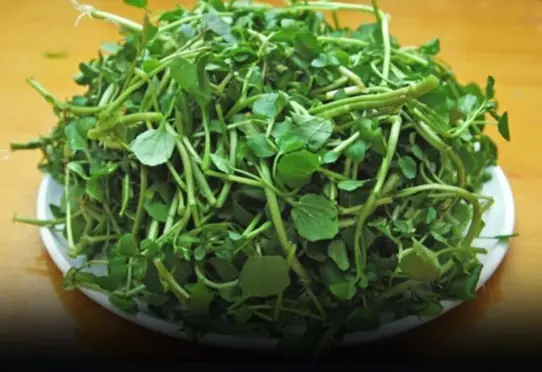
Incorporating these vegetables into your daily diet can help protect against cancer and improve overall health. Each of these vegetables contains compounds that combat oxidative stress, reduce inflammation, and support the body's natural defense mechanism

Nail Lines Explained: What Your Nails Might Be Telling You About Your Health
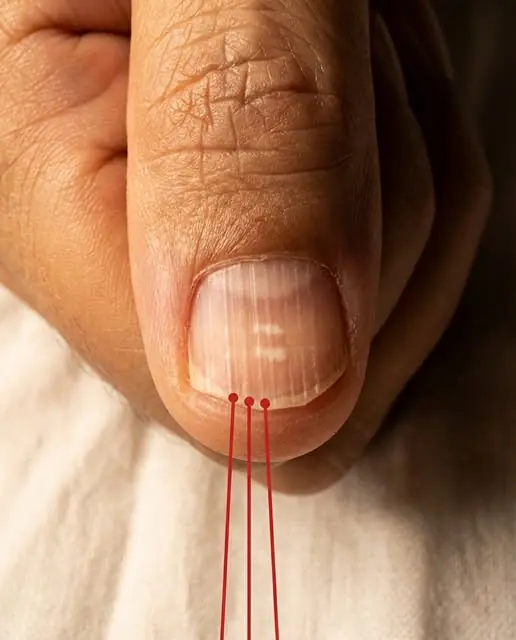
What Nail Lines After 40 Could Reveal About Your Health
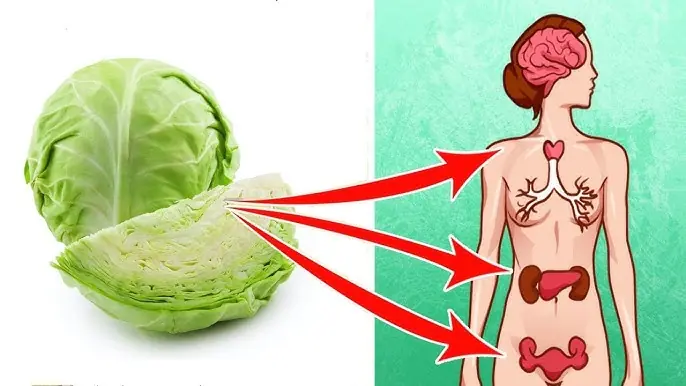
The Truth About Eating Cabbage Daily

Why Your Body Twitches Just as You’re Falling Asleep
6 Early Colon Cancer Symptoms Everyone Should Watch For
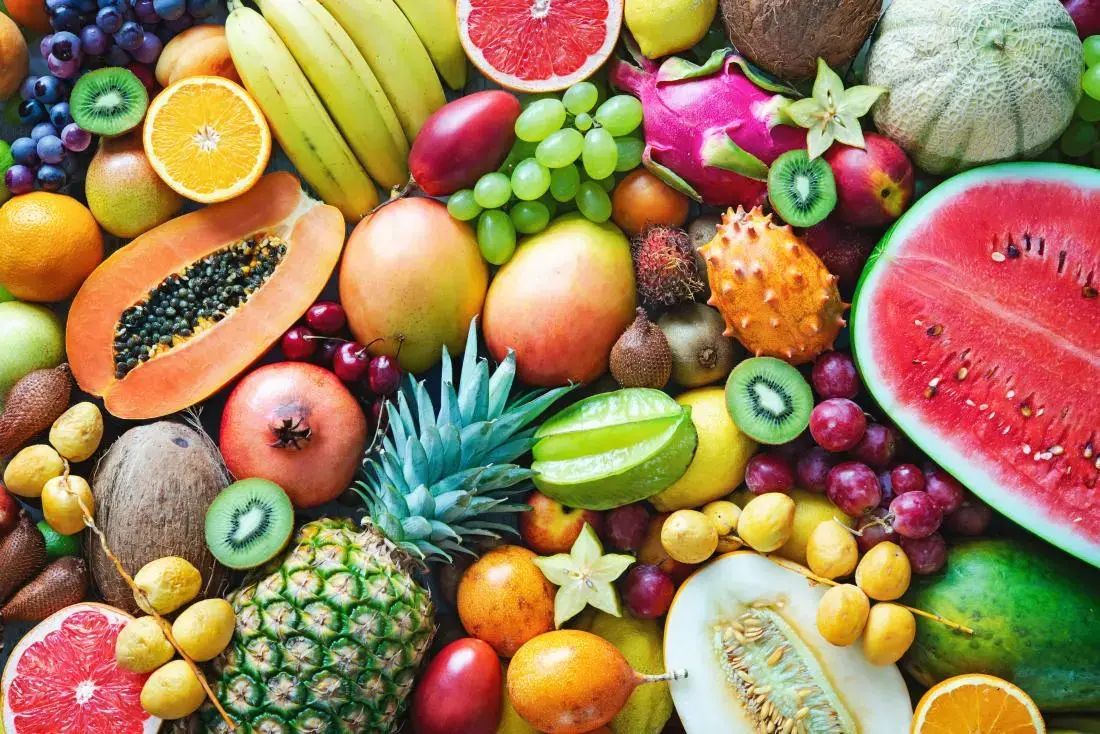
5 Common Fruit Myths Busted: When to Eat for Maximum Benefit
6 red flags your liver may be in trouble - don’t ignore them
Pork is a staple in many cuisines around the world, but it’s also one of the most common sources of foodborne illness when not handled or cooked properly.
Here are 9 foods with natural anti-cancer properties that research consistently highlights for their powerful protective effects.
What research shows about the effects of cutting down on alcohol?
The female body cannot lack estrogen, the most important hormone that affects health and beauty. It has many effects on the skin, body shape, cardiovascular health, bones and joints, mood and fertility.
10 proven ways dark chocolate can support your body and well-being
Doctors Warn: This Common Way of Eating Boiled Eggs Can Clog Your Arteries — Yet Many Still Do It Daily Without Realizing the Risk
Why Do Your Hands and Feet Tingle? Discover Paresthesia
Sweet Potatoes: A Nutritious Food for Health and Taste Not only are sweet potatoes themselves a healthy food, but their leaves and stems can also be used for consumption.
Recently, a worrying incident occurred at a family in Vietnam, where a cobra suddenly emerged from the air conditioner, climbed onto a 7-year-old girl, and bit her.
7 Positive Signs of Healthy Kidney Function

The Power of Quiet Resilience in a Harsh World
A Natural Mix of Moringa, Ginger, and Lemon to Support Youthful Energy
In everyday life, most women pay close attention to personal hygiene—especially intimate care.
Incorporating these vegetables into your daily diet can help protect against cancer and improve overall health. Each of these vegetables contains compounds that combat oxidative stress, reduce inflammation, and support the body's natural defense mechanism
Nail Lines Explained: What Your Nails Might Be Telling You About Your Health
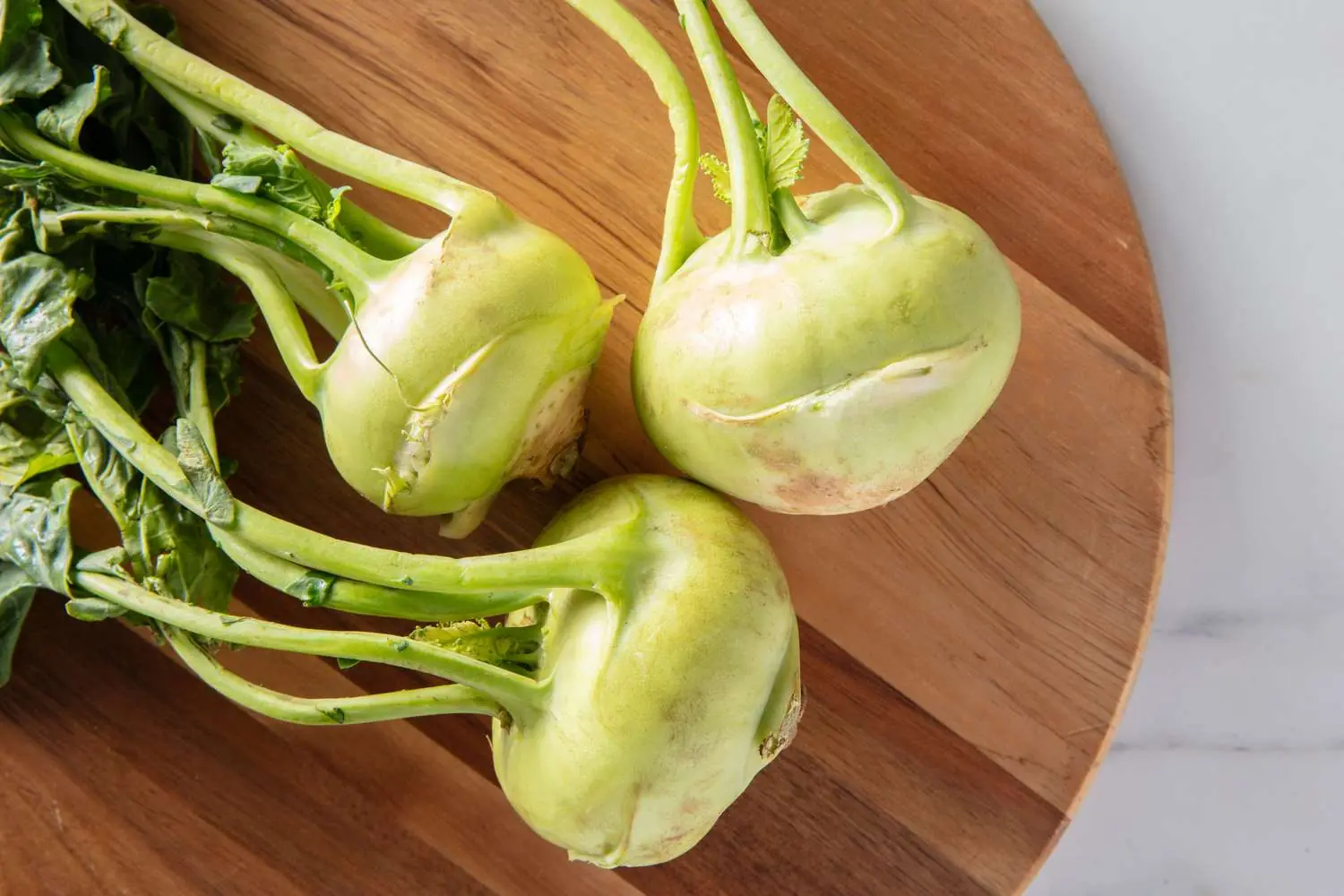
Who Should Not Eat Kohlrabi and Why