
Moringa, Ginger, and Lemon: A Powerful Blend for Boosting Energy Naturally
A Natural Mix of Moringa, Ginger, and Lemon to Support Youthful Energy
Health 07/04/2026 10:16
Sleep Starts Explained: Why the Body Jerks at the Edge of Sleep
Have you ever been just seconds away from drifting off, only to feel your body suddenly jolt—like you tripped, fell, or missed a step in a dream? That strange, involuntary movement is known as a sleep start, or more scientifically, a hypnic jerk. While it can feel unsettling, it’s actually a very common and usually harmless part of the sleep process.
:max_bytes(150000):strip_icc()/142010707_HighRes-56a884b03df78cf7729e838a.jpg)
Sleep starts are sudden, brief muscle contractions that occur as your body transitions from wakefulness to sleep. They often happen during the earliest stage of sleep, when your brain activity begins to slow and your muscles start to relax.
These jerks can be mild—like a small twitch in your arm—or more intense, involving your whole body. Sometimes, they’re accompanied by a vivid sensation, such as:
There’s no single definitive cause, but experts believe several factors are at play:
As you fall asleep, your nervous system is gradually “powering down.” In this transition, your brain may misinterpret muscle relaxation as a signal that you’re falling—triggering a reflexive jolt to “catch” yourself.
Some scientists suggest sleep starts are a leftover survival mechanism. In early human history, falling asleep in a tree or unsafe environment could be dangerous. That sudden jerk may have once helped our ancestors stay alert and avoid falling.
High stress levels can make your brain more active at night, increasing the likelihood of sudden muscle contractions as your body tries to relax.
Certain habits can make sleep starts more frequent or intense:
In most cases, sleep starts are completely harmless. They’re experienced by up to 70% of people at some point in their lives.
However, if they:
…it may be worth discussing with a healthcare professional to rule out other sleep disorders.
While you may not be able to eliminate them entirely, you can reduce their frequency with a few simple changes:
That sudden jolt just before sleep might feel alarming, but it’s usually just your brain and body briefly falling out of sync. Sleep starts are a normal part of how we transition into rest—one last flicker of wakefulness before the mind fully lets go.
So the next time it happens, there’s no need to worry. It’s simply your body easing into sleep… with a tiny, unexpected jump along the way.
A Natural Mix of Moringa, Ginger, and Lemon to Support Youthful Energy

In everyday life, most women pay close attention to personal hygiene—especially intimate care.

Incorporating these vegetables into your daily diet can help protect against cancer and improve overall health. Each of these vegetables contains compounds that combat oxidative stress, reduce inflammation, and support the body's natural defense mechanism

Nail Lines Explained: What Your Nails Might Be Telling You About Your Health

Nighttime Bathroom Trips: What Doctors Say About Your Health
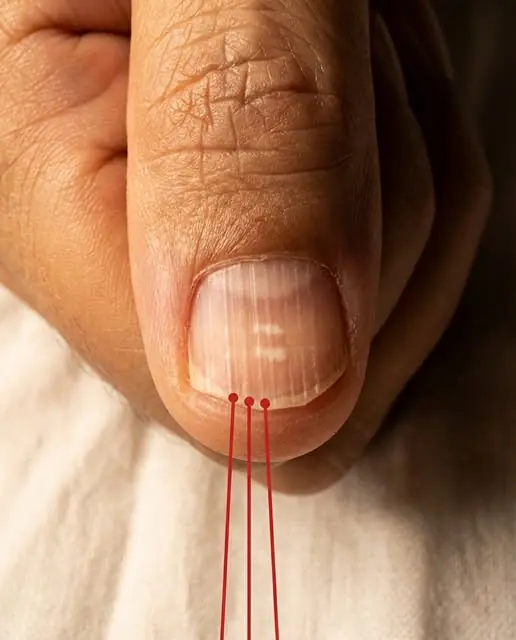
What Nail Lines After 40 Could Reveal About Your Health
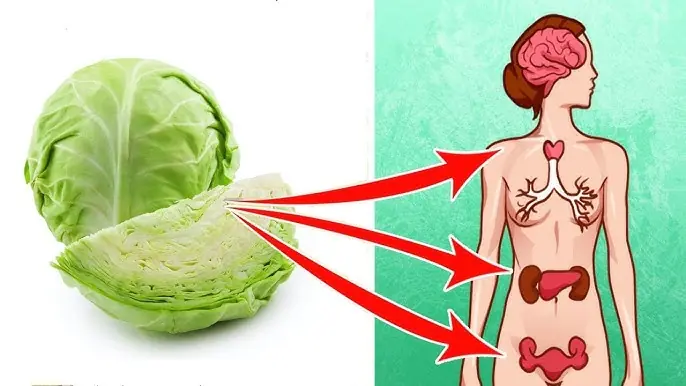
The Truth About Eating Cabbage Daily
6 Warning Signs of Colon Cancer You Should Never Ignore
Why Your Child Is Itching More at Night—The Surprising Reason

The Soothing Secrets Dermatologists Don’t Always Mention

This Tropical Fruit Could Balance Your Blood Sugar Naturally

A Simple Cup of Tea That Could Transform Your Daily Routine

Eating Them at the Wrong Time Could Backfire

This Night Habit Could Affect Your Health

The 6 Foods That Drain Calcium From Your Body — And Make Your Bones Fragile
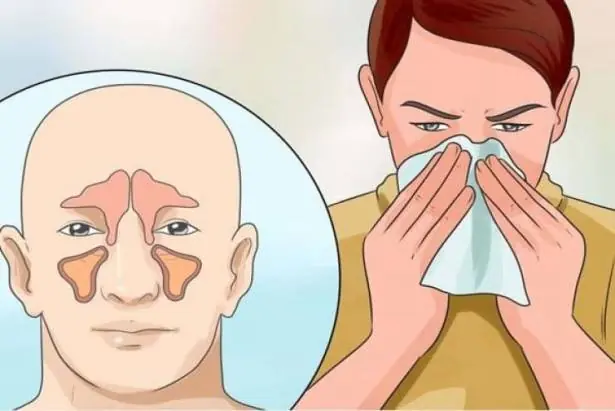
Throat Mucus: 6 Common Reasons You Can’t Shake It

When You Drink Coffee Could Impact Your Heart Health and Longevity

3 Cloves, Twice a Day — The Results May Shock You
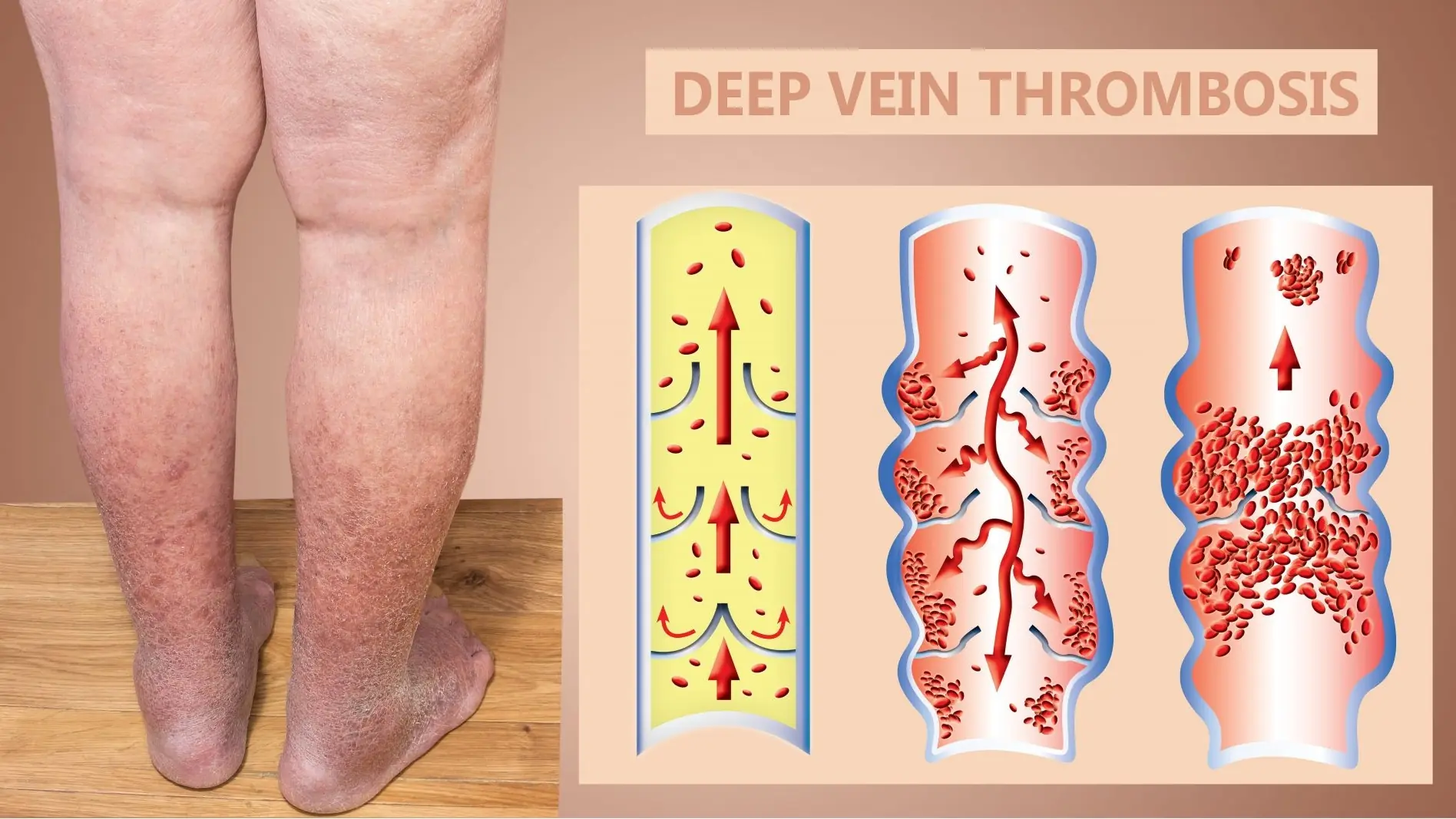
6 easy ways to improve circulation and ease cold feet.
A Natural Mix of Moringa, Ginger, and Lemon to Support Youthful Energy
In everyday life, most women pay close attention to personal hygiene—especially intimate care.
Incorporating these vegetables into your daily diet can help protect against cancer and improve overall health. Each of these vegetables contains compounds that combat oxidative stress, reduce inflammation, and support the body's natural defense mechanism
Nail Lines Explained: What Your Nails Might Be Telling You About Your Health
Nighttime Bathroom Trips: What Doctors Say About Your Health

Who Should Not Eat Kohlrabi and Why
What Nail Lines After 40 Could Reveal About Your Health
The Truth About Eating Cabbage Daily
6 Warning Signs of Colon Cancer You Should Never Ignore
Why Your Child Is Itching More at Night—The Surprising Reason
The Soothing Secrets Dermatologists Don’t Always Mention

Brushing with Coconut Oil? Here’s What Really Happens
This Tropical Fruit Could Balance Your Blood Sugar Naturally
A Simple Cup of Tea That Could Transform Your Daily Routine
Eating Them at the Wrong Time Could Backfire
This Night Habit Could Affect Your Health
The 6 Foods That Drain Calcium From Your Body — And Make Your Bones Fragile
Throat Mucus: 6 Common Reasons You Can’t Shake It
When You Drink Coffee Could Impact Your Heart Health and Longevity