Doctor’s Warning: Stop Eating These 4 Foods Immediately – They Could Contain Parasites
Parasites are organisms that live on or inside another organism and can cause serious health issues. While they are more commonly associated with contaminated water or undercooked meat, certain everyday foods can also be carriers. Doctors warn that some foods we often eat without caution may harbor parasites, putting your health at risk.
Here are four foods you should be careful with and tips on how to reduce the risk.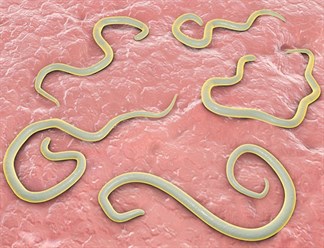
1. Raw or Undercooked Fish
Sushi, sashimi, ceviche, and other raw fish dishes are delicious—but they carry a risk. Fish can host parasites like Anisakis, which can cause:
- Abdominal pain
- Nausea and vomiting
- Allergic reactions in some people
Tips to stay safe:
- Only eat raw fish from reputable sources.
- Freeze fish at the right temperature before consuming raw.
- If you feel stomach discomfort after eating raw fish, see a doctor immediately.
2. Unwashed Fruits and Vegetables
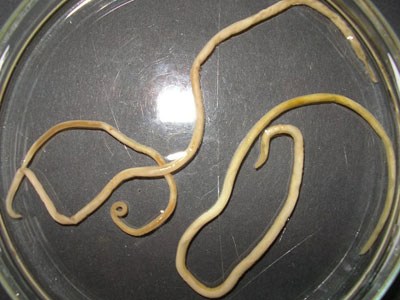
Fruits and vegetables can be contaminated with parasite eggs from soil or water, including Giardia and Toxoplasma. Eating them without proper washing increases infection risk.
Tips to stay safe:
- Wash all fruits and vegetables thoroughly under running water.
- Peel fruits when possible.
- Avoid raw produce from unknown sources, especially when traveling.
3. Undercooked Meat
Parasites like Trichinella in pork or Toxoplasma gondii in beef and lamb can survive in undercooked meat, causing infections that may lead to:
- Muscle pain
- Fever
- Digestive issues
Tips to stay safe:
- Cook meat to safe internal temperatures (use a food thermometer).
- Avoid tasting meat before it’s fully cooked.
- Be extra cautious with wild game meat, which is more likely to carry parasites.
4. Contaminated Water or Ice
While technically not a “food,” drinking untreated water or ice made from it is a major source of parasites like Cryptosporidium. Even in developed countries, outdoor activities can expose you to contaminated water.
Tips to stay safe:
- Drink bottled or filtered water when traveling.
- Avoid ice from untrusted sources.
- Boil water if you’re unsure about its safety.
How to Protect Yourself from Parasites
Beyond avoiding risky foods, there are general precautions you can take to minimize parasite exposure:
- Practice good hand hygiene, especially before eating.
- Keep your kitchen and cooking surfaces clean.
- Store food properly to prevent contamination.
- Be aware of travel advisories in areas with poor sanitation.
The Bottom Line
Parasites are more common than most people realize, and they can have serious health consequences. While completely avoiding risk isn’t always possible, being mindful of what you eat, how it’s prepared, and where it comes from can significantly reduce your chances of infection.
Remember: Cooking food thoroughly, washing produce, and drinking safe water are simple steps that protect your health. Don’t wait until symptoms appear—prevention is always better than treatment.