For years, many people believed that charging a phone to 100% was the best way to maximize battery life. However, modern research on lithium-ion batteries—the type used in most smartphones—suggests otherwise. While fully charging your device won’t immediately damage it, doing so consistently can accelerate long-term battery wear.
Understanding how batteries work can help you adopt smarter charging habits and extend the lifespan of your phone. Here’s a detailed look at why stopping short of 100% might actually be the better strategy.

1. Lithium-Ion Batteries Prefer Partial Charging
Most smartphones today use lithium-ion batteries, which operate differently from older battery technologies. These batteries do not suffer from the “memory effect,” meaning they don’t need to be fully charged or discharged.
In fact, lithium-ion batteries perform best when kept between 20% and 80%. Staying within this range reduces stress on the battery’s internal chemistry, helping it last longer over time.
2. High Voltage Accelerates Battery Degradation
When your phone reaches 100%, the battery is under higher voltage. This creates additional chemical stress inside the battery cells.
Over time, consistently exposing your battery to high voltage can lead to capacity loss. In simple terms, your battery will start to hold less charge, and you’ll notice it draining faster even after a full charge.
3. Heat Buildup Can Damage Battery Health
Charging your phone—especially to full capacity—can generate heat. Heat is one of the biggest enemies of battery longevity.
When a battery remains at 100% while still connected to a charger (such as overnight charging), it can stay slightly warm for extended periods. This prolonged heat exposure speeds up wear and reduces the battery’s overall lifespan.
4. Trickle Charging Adds Extra Stress
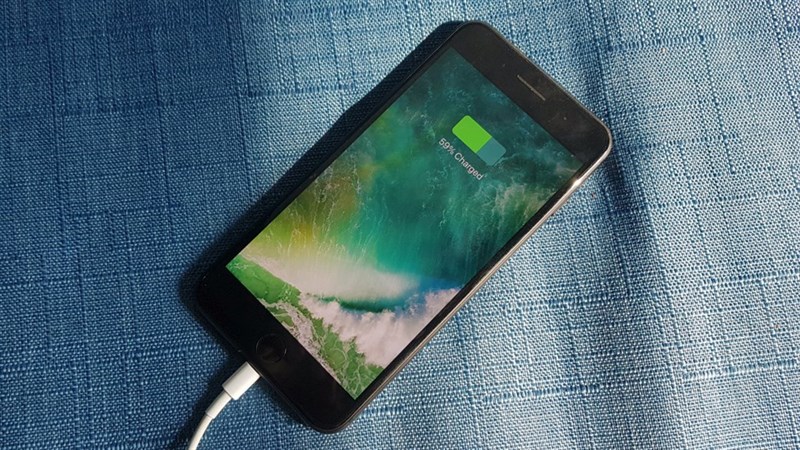
Once your phone hits 100%, it doesn’t simply stop charging. Instead, it enters a state known as “trickle charging,” where it continuously tops up the battery to maintain full capacity.
This constant cycle of tiny charges and discharges keeps the battery in a high-stress state. Over months or years, this can contribute to faster degradation compared to stopping at a lower percentage.
5. Battery Lifespan Is Measured in Charge Cycles
A battery’s lifespan is often measured in charge cycles—one full cycle equals using 100% of the battery’s capacity, not necessarily in one go.
Frequent full charges can increase the number of full cycles used over time. By charging only to around 80–90%, you reduce strain per cycle and can extend the total number of cycles your battery can handle before degrading significantly.
6. Modern Phones Already Try to Protect Your Battery
Many smartphones now include features like “optimized charging” or “adaptive battery,” which limit how long your phone stays at 100%.
For example, your device may charge to 80% quickly, then slowly complete the remaining 20% just before you typically unplug it. This is designed to reduce the amount of time your battery spends at full charge.
7. You Don’t Always Need 100%
In everyday use, most people don’t actually need a full charge. If you’re near a charger during the day or have moderate usage habits, keeping your battery between 30% and 80% is often more than enough.
Saving full charges for long days, travel, or heavy usage can help balance convenience with battery health.
8. Small Habits Make a Big Difference
Battery degradation happens gradually, but small daily habits can significantly impact long-term performance.
- Avoid leaving your phone plugged in overnight regularly
- Unplug once you reach around 80–90% when possible
- Keep your phone cool while charging
- Use certified chargers to prevent overheating
These simple adjustments can help preserve battery capacity over months and years.
:quality(75)/2021_11_23_637732773179879405_nhan-biet-sac-nhanh-tren-iphone.jpg)
Final Thoughts
Fully charging your phone occasionally is perfectly fine - especially when you need maximum battery life for the day. However, making it a constant habit may slowly reduce your battery’s ability to hold a charge.
By understanding how lithium-ion batteries work and adopting smarter charging practices, you can extend your phone’s lifespan, maintain better performance, and avoid early battery replacement.
In the long run, it’s not about always reaching 100% - it’s about charging smarter.