Stomach cancer, also known as gastric cancer, remains one of the leading causes of cancer-related deaths worldwide. While lifestyle factors such as diet, smoking, and infections play a major role, scientists have long been interested in understanding whether genetics including blood type - can influence an individual’s risk.
Recent research has shed light on a fascinating connection: certain blood groups may be associated with a higher likelihood of developing stomach cancer. Although this does not mean that blood type alone determines your fate, it provides valuable insight into how biological factors interact with disease risk.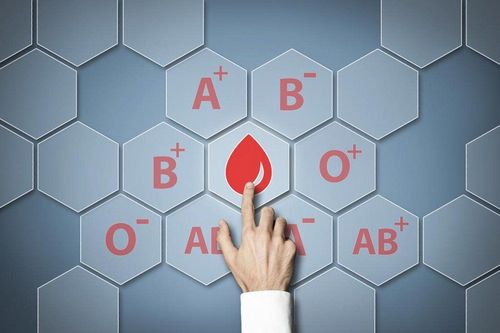
Understanding Blood Types and Their Role in the Body
Human blood is classified into different groups based on the presence or absence of specific antigens on the surface of red blood cells. The most well-known system is the ABO blood group system, which divides blood into four main types: A, B, AB, and O.
These blood group antigens are not only found in blood but also in various tissues throughout the body, including the lining of the stomach. This is where the connection to stomach cancer begins to emerge.
Which Blood Group Is Linked to Higher Risk?
Multiple epidemiological studies have consistently found that individuals with blood type A appear to have a higher risk of developing stomach cancer compared to those with other blood types, particularly type O.
This association has been observed across different populations and geographic regions. While the increased risk is not extreme, it is statistically significant enough to attract scientific attention.
Why Might Blood Type A Increase Risk?
1. Interaction with Bacteria
One of the strongest risk factors for stomach cancer is infection with Helicobacter pylori infection, a type of bacteria that colonizes the stomach lining.
Research suggests that people with blood type A may have a different immune response to this bacterium. This could allow the infection to persist longer, leading to chronic inflammation—a known pathway to cancer development.
2. Differences in Immune Response
Blood group antigens can influence how the immune system recognizes and responds to abnormal cells. Individuals with type A blood may have variations in immune surveillance that make it slightly easier for cancerous cells to develop and grow.
3. Inflammation and Cellular Changes
Chronic inflammation in the stomach lining can lead to changes in cells over time, increasing the risk of cancer. Some studies indicate that blood type A may be associated with higher levels of certain inflammatory markers, contributing to this process.
What About Other Blood Types?
- Type O: Often associated with a lower risk of stomach cancer but may have higher susceptibility to ulcers.
- Type B and AB: Show mixed or less consistent associations, with no strong evidence of significantly increased risk compared to type A.
It’s important to note that these differences are relative - not absolute. Many people with blood type A never develop stomach cancer, while individuals with other blood types can still be affected.

Other Major Risk Factors to Consider
While blood type provides an interesting piece of the puzzle, it is far from the most important factor. Key contributors to stomach cancer include:
- Chronic infection with H. pylori
- Diet high in salty, smoked, or processed foods
- Smoking and alcohol consumption
- Family history of gastric cancer
- Long-term stomach inflammation (gastritis)
In fact, lifestyle and environmental factors often play a much larger role than genetic traits like blood type.
Can You Reduce Your Risk?
Regardless of your blood type, there are effective steps you can take to lower your risk of stomach cancer:
- Get tested and treated for H. pylori if necessary
- Eat a diet rich in fresh fruits and vegetables
- Limit processed and heavily salted foods
- Avoid smoking and reduce alcohol intake
- Maintain regular medical check-ups, especially if you have a family history
Final Thoughts
The link between blood type and stomach cancer risk highlights how complex human health truly is. While scientists have identified that individuals with blood type A may have a higher likelihood of developing gastric cancer, this is only one factor among many.
Think of blood type as a piece of background information - not a diagnosis. The most powerful tools for prevention remain healthy lifestyle choices, early detection, and awareness of risk factors.
Understanding these connections empowers you to take proactive steps toward better health - regardless of what your blood type may be.