
Can beef with iridescent, rainbow-like colors still be eaten?
Is it normal and safe to eat beef that shows rainbow colors?
Facts 07/04/2026 17:15
In recent years, there has been a noticeable rise in divorce among middle-aged women—a trend often referred to as “gray divorce.” While divorce used to be more common among younger couples, an increasing number of women in their 40s, 50s, and beyond are choosing to end long-term marriages.
This shift reflects deeper social, emotional, and economic changes. It’s not simply about relationships failing—it’s about evolving expectations, personal growth, and the desire for a more fulfilling life. Below are some of the key reasons behind this growing trend.
One of the most significant factors is financial independence. Compared to previous generations, more women today have stable careers, savings, and access to financial resources.
This independence allows them to:
In the past, financial dependence often kept women in relationships that no longer worked. That barrier is now much lower.

Society has become more accepting of divorce, especially for women. What was once stigmatized is now often seen as a valid choice for personal well-being.
Women are no longer expected to stay in marriages solely for social approval or family expectations. Instead, there is a growing emphasis on:
Midlife is often a period of reflection. Many women begin to reassess their lives, asking questions like:
If the answers reveal dissatisfaction, some choose to pursue a new path. Divorce, in this context, is not seen as failure—but as a step toward a more authentic life.
When children grow up and leave home, many couples find themselves facing each other without the shared focus of parenting.
This transition can:
For some women, this becomes a turning point.

Many women report feeling burdened by unequal responsibilities in long-term relationships—both emotionally and domestically.
Over time, this imbalance can lead to:
As awareness around “emotional labor” grows, more women are choosing not to tolerate these imbalances indefinitely.
People are living longer than ever before. For a woman in her 50s, there may still be decades of life ahead.
This changes the perspective:
Modern conversations around mental health and self-worth have empowered many women to prioritize their emotional well-being.
They are more likely to:
This shift in mindset plays a major role in the decision to leave a marriage.

The rise in divorce among middle-aged women reflects broader societal changes—not just in relationships, but in identity, independence, and expectations.
For many, the decision is not made lightly. It often comes after years of reflection, compromise, and emotional effort. But ultimately, it represents a desire to live more authentically and fully.
Rather than viewing this trend negatively, it can also be seen as a sign of progress—where individuals, especially women, feel empowered to choose a life that aligns with their values, needs, and sense of self.
Is it normal and safe to eat beef that shows rainbow colors?

6 hard truths about nursing homes I wish I knew before moving in

Studies suggest a connection between certain bl00d types and higher stomach can.cer risk

Over 65? Daily Showers Aren’t Always Necessary - Find the Right Hygiene Frequency

When the Body Starts to Slow Down

Spot these hotel warning signs early to protect your safety.

A tiny laundry secret that makes your clothes shine like never before

When a White Butterfly Appears, Is It Trying to Tell You Something?
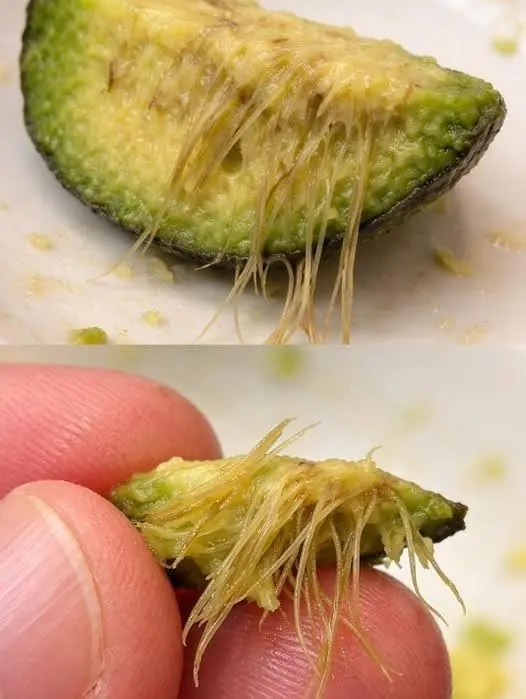
I found this inside an avocado. Does anyone know what it is?

Only 1% Can Solve This Puzzle
9 Everyday Items in Your Home That Could Affect Your Health
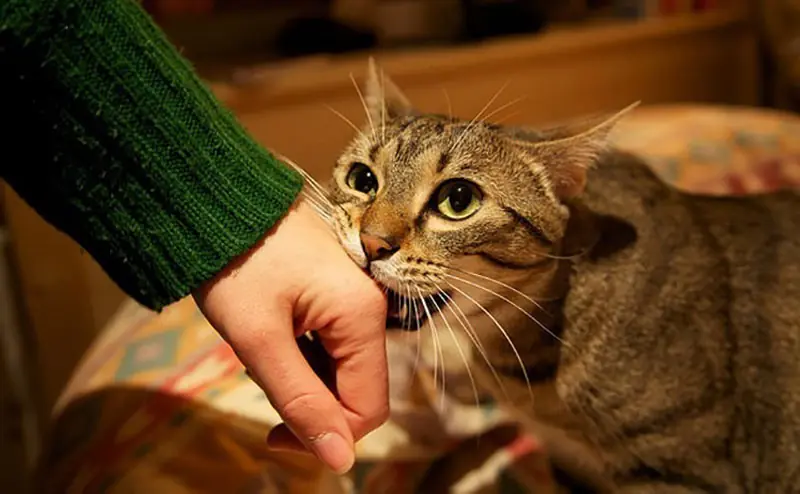
Cat behaviors explained: what their actions really mean

Why Do Some Window Bars Curve Outward at the Bottom?

9 Brutal Lessons You Learn Only After Getting Divorced

What No One Warns You About When Falling in Love Later in Life

Do you know anyone with this ear mark? See what it means...

3 Sleep-Time Symptoms That Could Be Worth Checking Out

Your Palm Might Be Hiding Something About You
Is it normal and safe to eat beef that shows rainbow colors?

11 dishes to keep out of your air fryer if you don’t want to ruin them

What 7 Days of Morning Coconut Water Does to Your Body

How to quickly unclog a drain without needing a plumber

10 everyday habits you should rethink for better brain health

Check Your Skin: 3 Clues About Your Kidney Health
Easy tricks for a fresh-smelling bathroom from morning to night
6 hard truths about nursing homes I wish I knew before moving in

Parasites in Food: 4 Items Doctors Say to Be Careful With
Eating cabbage may lead to health issues if not consumed carefully
Get perfectly white laundry with just 1 tablespoon of this natural solution

A Silent Moment That Spoke Louder Than Words

7 warning symptoms at night that may point to high bl00d sugar

Don’t replace your clogged showerhead - this method can clean it effortlessly

10 health conditions ginger may help support naturally
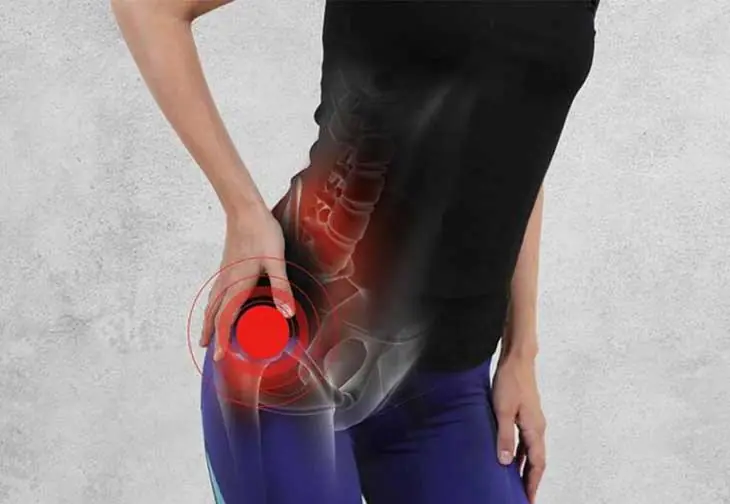
What Your Hip Pain Might Mean: Causes and When to Seek Care
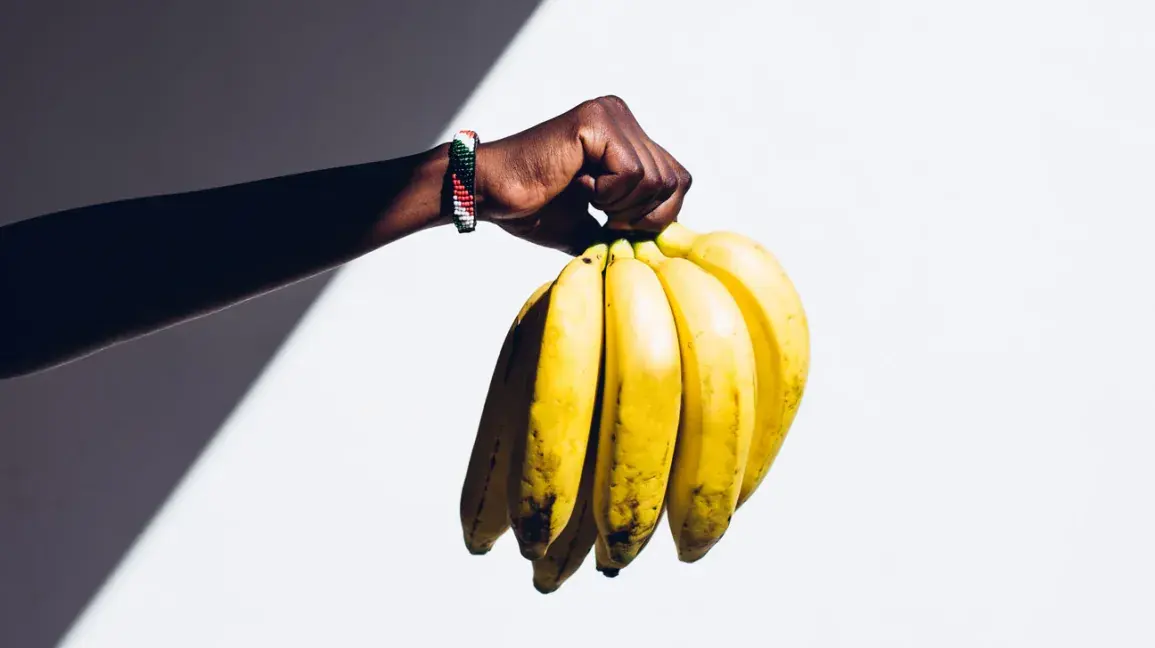
Bananas Daily: Good or Bad for Blood Pressure?

The benefits of not charging your phone to full capacity every time
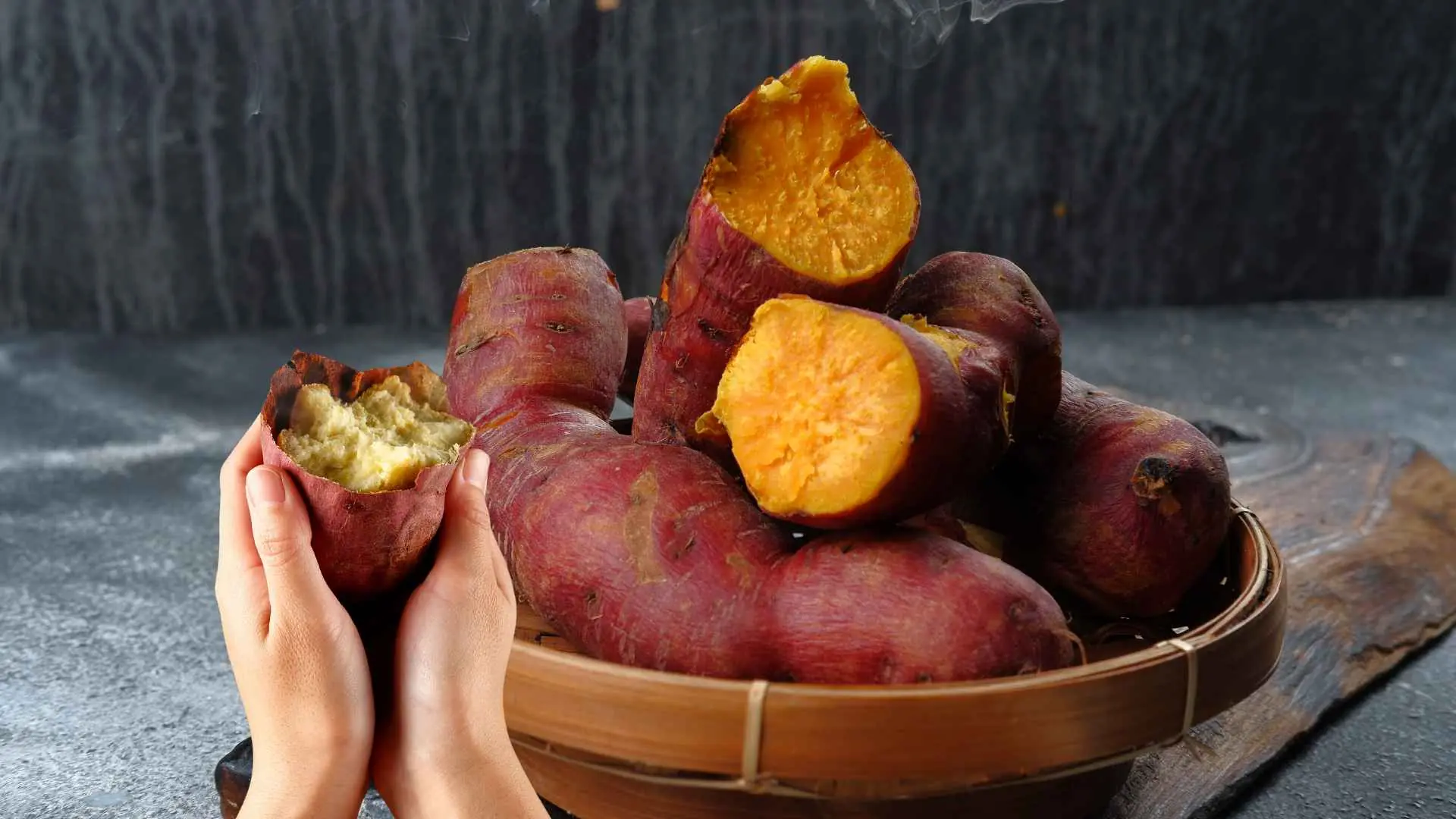
Why Boiled Sweet Potatoes Are a Smart Breakfast Choice