
10 Secrets You Need to Know Before Eating Okra
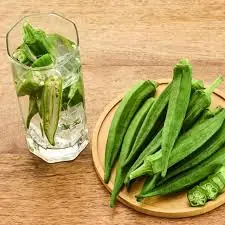
Okra, also known as “lady’s finger,” is a green, finger-shaped vegetable that’s widely loved for its unique texture and nutritional benefits. From gumbo in the American South to curries in India, okra is a versatile ingredient enjoyed around the world. But before you toss it into your pan, there are some important things you should know. Here are 10 secrets about okra that can help you enjoy it safely, healthily, and deliciously.
1. Okra Is Packed With Nutrients
Okra is more than just a tasty vegetable—it’s a nutritional powerhouse. Each serving is rich in:
- Vitamin C, which boosts immunity
- Vitamin K, important for blood clotting and bone health
- Fiber, which aids digestion
- Antioxidants like flavonoids and polyphenols
Including okra in your diet can support heart health, improve digestion, and even help manage blood sugar levels.
2. Raw Okra Has a Unique Mucilaginous Texture
One of okra’s most notable features is its slimy interior. This mucilage is a natural thickener and is responsible for the “slimy” texture in dishes like gumbo. While some people find it off-putting, it’s actually a health benefit: the mucilage helps slow digestion, which can stabilize blood sugar and improve gut health.
3. Okra Can Help Lower Cholesterol
Several studies suggest that okra may help reduce cholesterol levels. The soluble fiber in okra binds to cholesterol in the digestive tract, helping your body remove it naturally. Regular consumption may support heart health and reduce the risk of cardiovascular diseases.
4. Eating Too Much Okra Can Cause Digestive Discomfort

While okra is healthy, it’s also high in fiber. Eating large amounts suddenly can lead to gas, bloating, or even diarrhea, especially if your body isn’t used to a high-fiber diet. Introduce it gradually and drink plenty of water to avoid discomfort.
5. Okra Seeds Are Edible
Many people remove the seeds out of habit, but okra seeds are completely edible. They are rich in protein, healthy fats, and antioxidants. Roasting okra seeds can even make a nutritious snack.
6. Cooking Methods Affect Its Sliminess
The slimy texture of okra can be minimized depending on how you cook it:
- Roasting or frying reduces slime.
- Cutting it into larger pieces and cooking quickly also helps.
- Cooking with acidic ingredients like tomatoes or lemon juice can prevent excessive mucilage.
Knowing how to handle okra will make it more enjoyable for those sensitive to texture.
7. Okra May Interact With Certain Medications
Okra is generally safe for most people, but it contains high levels of fiber and certain compounds that may affect blood sugar levels. If you take medication for diabetes or blood-thinning drugs, consult your doctor before making okra a regular part of your diet.
8. Okra Is Low in Calories But Filling
Okra is a great choice for weight management. It is low in calories, high in fiber, and keeps you full longer. Adding okra to your meals can help reduce snacking and maintain steady energy levels throughout the day.
9. Freshness Matters
Fresh okra should be firm, bright green, and free from blemishes. Avoid pods that are soft, brown, or shriveled, as these can taste bitter and may have lost nutrients. Store fresh okra in a paper bag in the refrigerator for up to 3–4 days.
10. Okra Has Surprising Health Benefits
In addition to aiding digestion and lowering cholesterol, okra may:
- Help control blood sugar, thanks to its soluble fiber and mucilage
- Boost immune function, due to vitamins C and A
- Support eye health, as it contains carotenoids like lutein and zeaxanthin
- Improve skin and hair, thanks to antioxidants and vitamins
These benefits make okra a simple but powerful addition to a healthy diet.
Conclusion
Okra is far more than just a green, slimy vegetable. Packed with nutrients, fiber, and antioxidants, it can support heart health, digestion, blood sugar control, and more. But like all foods, preparation and moderation matter. By understanding its texture, cooking methods, and potential interactions, you can enjoy okra safely and deliciously.
Next time you pick up a bunch of fresh okra at the market, remember these 10 secrets—and get ready to enjoy this versatile vegetable in a whole new way.