Rice is a staple food for more than half of the world’s population. It is affordable, easy to prepare, and pairs well with almost any dish. In many cultures, rice is not just a side - it is the foundation of daily meals.
However, while rice can definitely be part of a healthy diet, experts warn that eating too much rice - especially refined white rice may have unexpected effects on your health. Like most foods, the key lies in moderation and balance.
:quality(75)/2024_3_21_638465813630820358_cach-nau-com-tam-bang-noi-com-dien.jpg)
🍚 Why Rice Is So Easy to Overeat
Rice is rich in carbohydrates, which provide energy for the body. But because it is soft, mild in flavor, and easy to digest, it is also very easy to consume in large portions without realizing it.
Unlike high-fiber foods, white rice does not keep you full for long. This can lead to eating more than your body actually needs, especially when rice makes up the majority of a meal.
⚖️ Blood Sugar Spikes and Energy Crashes
White rice has a high glycemic index (GI), meaning it can raise blood sugar levels quickly after eating. This rapid spike is often followed by a sudden drop, which can leave you feeling tired and hungry again shortly after a meal.
Over time, frequent blood sugar spikes may increase the risk of developing insulin resistance and conditions like type 2 diabetes.
⚠️ Increased Risk of Weight Gain
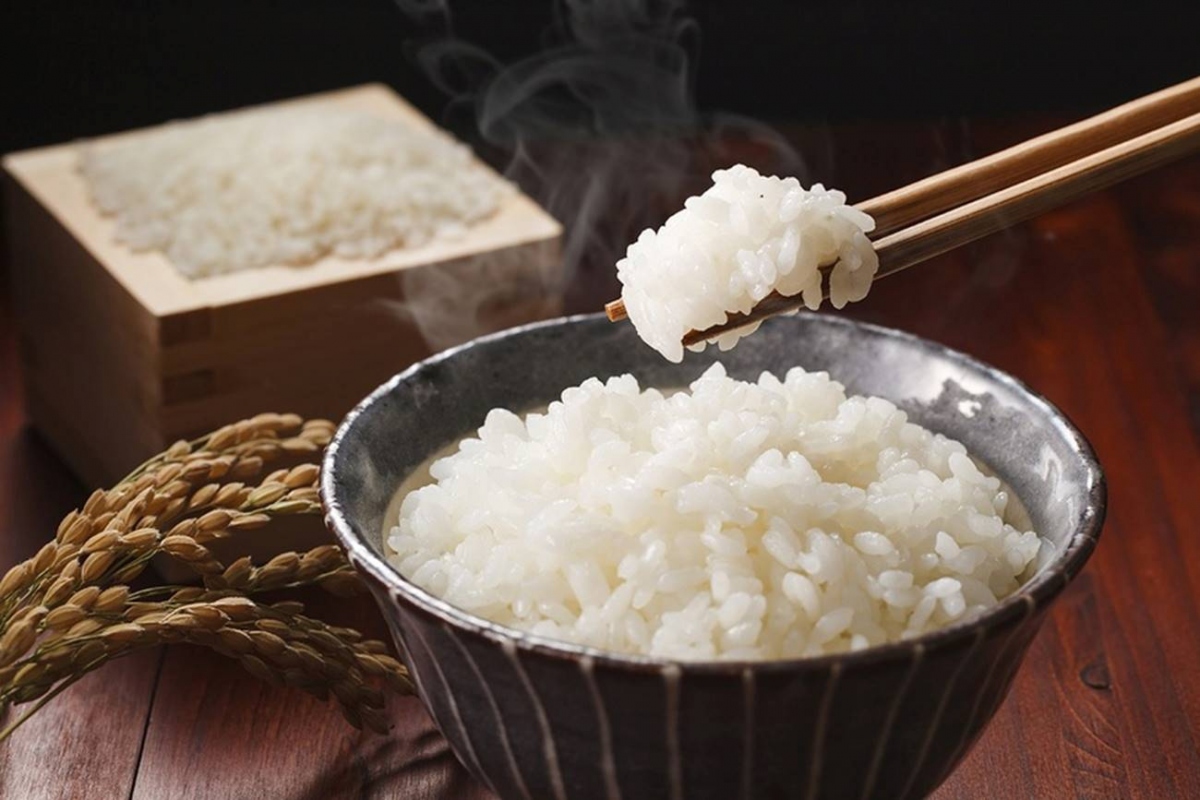
Eating large portions of rice regularly can contribute to excess calorie intake. Since rice is calorie-dense and often eaten in big quantities, it can gradually lead to weight gain - especially if physical activity levels are low.
Without enough protein, fiber, and healthy fats in the meal, rice alone may not provide lasting satiety, making overeating more likely.
❤️ Impact on Heart Health
A diet high in refined carbohydrates, including white rice, may negatively affect heart health over time. Experts suggest that excessive intake can contribute to:
- Increased triglyceride levels
- Poor cholesterol balance
- Higher risk of inflammation
These factors are associated with a greater risk of cardiovascular disease when maintained long-term.
🧠 Nutrient Imbalance
White rice is processed, which means many of its natural nutrients are removed. If rice dominates your diet, it can reduce the intake of more nutrient-dense foods like vegetables, legumes, and whole grains.
This may lead to deficiencies in:
- Fiber
- Essential vitamins
- Important minerals
Switching to brown rice or mixing grains can help improve nutritional balance.
🩸 Potential Arsenic Exposure
Rice tends to absorb more arsenic from soil and water than many other crops. While small amounts are generally considered safe, eating large quantities of rice daily may increase long-term exposure.
To reduce this risk:
- Rinse rice thoroughly before cooking
- Cook rice with extra water and drain the excess
- Vary your diet with other grains like quinoa or oats
🧩 How to Eat Rice the Smart Way
Experts do not recommend eliminating rice completely. Instead, focus on eating it in a more balanced way:
- Combine rice with protein (eggs, chicken, tofu)
- Add vegetables for fiber and nutrients
- Control portion sizes
- Choose whole grains when possible
A balanced plate helps slow digestion, stabilize blood sugar, and improve overall health.
✨ Final Thoughts
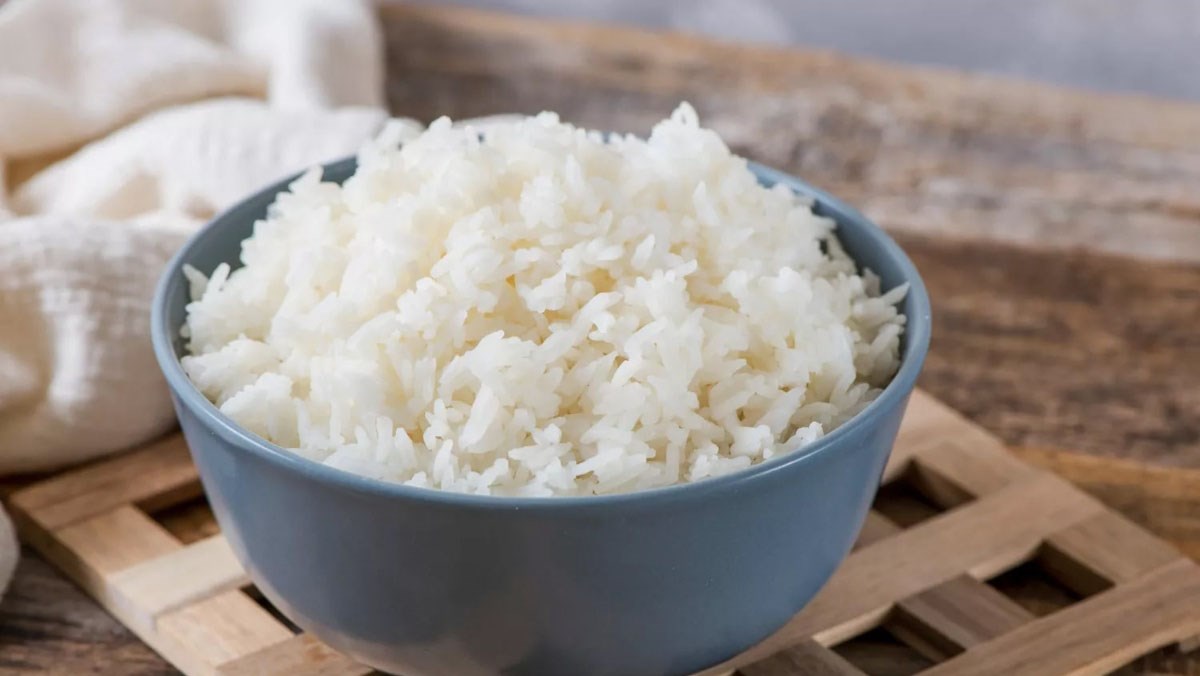
Rice is not unhealthy on its own - but overeating it can quietly affect your health over time. From blood sugar fluctuations to nutrient imbalances, the risks often build gradually rather than appearing immediately.
The goal is not to avoid rice, but to eat it mindfully and in moderation.
Because in the end, it’s not just about what you eat - it’s about how much, how often, and how balanced your overall diet is.