Chest Pain That Comes and Goes: Possible Causes
Chest pain can be concerning, especially when it comes and goes. It can have many causes — some serious, others less so — but it should always be taken seriously.
Chest pain doesn’t only come from the heart. It may also be related to the lungs, digestive system, or muscles.
Common Causes

Heart-related:
- Heart attack: Caused by blocked blood flow to the heart; pain may be sudden or mild.
- Angina: Occurs when the heart doesn’t get enough blood, often during physical activity.
- Pericarditis: Inflammation around the heart, causing sharp pain that may worsen when lying down or breathing deeply.
Digestive causes:
- GERD (acid reflux): Causes a burning sensation, often worse after eating or lying down.
- Stomach ulcers: Pain between the chest and abdomen, sometimes relieved after eating.
Muscle or injury: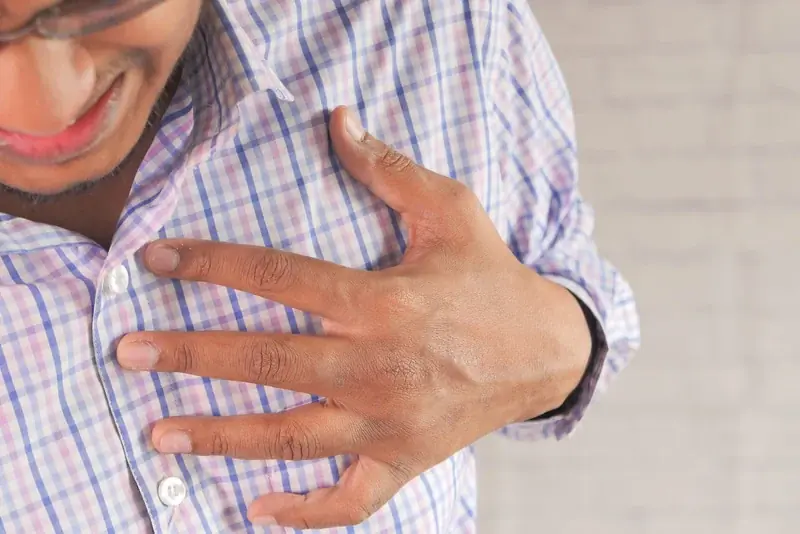
- Muscle strain or rib injury can cause pain that worsens with movement or stretching.
Lung-related:
- Pneumonia or pleurisy: Pain that worsens with breathing or coughing.
- Pulmonary embolism: A serious condition with chest pain, shortness of breath, and rapid heart rate.
Other causes:
- Gallstones: Pain in the upper abdomen that may spread to the chest.
- Panic attacks: Can cause chest pain similar to a heart attack.
- Costochondritis: Inflammation of rib cartilage, causing pain near the breastbone.
- Lung cancer: May cause persistent chest pain along with cough or weight loss.
Warning Signs of a Heart Attack
Seek emergency help if chest pain occurs with:
- Pain spreading to arms, neck, or back
- Shortness of breath
- Cold sweats
- Nausea or dizziness
Diagnosis
Doctors may use:
- Medical history and physical exam
- Blood tests
- Imaging (X-ray, CT scan)
- ECG (heart test)

When to See a Doctor
Get immediate medical help if:
- Chest pain is severe or unexplained
- You suspect a heart attack