Most people develop a bruise from time to time after bumping into furniture, exercising, or experiencing a minor injury. In most cases, bruises are harmless and gradually fade within a couple of weeks. But what if bruises appear frequently, seem unusually large, or develop without any clear cause?
Occasional bruising is a normal part of life, especially as we age. However, frequent or unexplained bruising may sometimes be a sign that your body deserves closer attention. While many causes are minor and easily treated, persistent or unusual bruising can occasionally be linked to nutritional deficiencies, medication side effects, bleeding disorders, or other medical conditions.
Understanding why bruises occur—and knowing when to seek medical advice—can help you make informed decisions about your health.
What Is a Bruise?
A bruise, also known as a contusion, occurs when tiny blood vessels called capillaries break beneath the skin after an injury.
Instead of bleeding outside the body, blood becomes trapped under the skin, producing the familiar blue, purple, or black discoloration.
As the body gradually reabsorbs the blood, the bruise changes color, often progressing through shades of:
-
Blue or purple
-
Green
-
Yellow
-
Brown
Most bruises heal completely within one to three weeks.
Why Do Bruises Sometimes Appear Without Remembering an Injury?
Not every bruise results from a major accident.
Many people develop bruises after very minor bumps they barely notice.
Small injuries may occur while:
-
Carrying groceries
-
Exercising
-
Sleeping
-
Walking through tight spaces
-
Playing with children or pets
Some people simply bruise more easily than others.
1. Aging Skin
One of the most common reasons older adults bruise more easily is natural aging.
As we get older:
-
The skin becomes thinner.
-
The protective fat layer beneath the skin decreases.
-
Blood vessels become more fragile.
As a result, even minor bumps may produce noticeable bruises.
This is a normal part of aging for many individuals.
2. Certain Medications
Several medications increase the likelihood of bruising.
Examples include:
-
Blood thinners (anticoagulants)
-
Aspirin
-
Some anti-inflammatory medications (NSAIDs)
-
Corticosteroids
-
Certain antidepressants
These medications may affect blood clotting or make blood vessels more fragile.
Never stop taking prescribed medication without consulting your healthcare provider.
3. Vitamin Deficiencies
Nutrition plays an important role in maintaining healthy blood vessels and normal blood clotting.
Deficiencies that may contribute to easy bruising include:
Vitamin C
Vitamin C helps maintain healthy collagen, which strengthens blood vessel walls.
Low levels may increase the tendency to bruise.
Vitamin K
Vitamin K plays an essential role in blood clotting.
Deficiency may lead to increased bleeding or bruising.
Iron
Iron deficiency can contribute to anemia, which may occasionally be associated with increased bruising in some people.
A balanced diet usually provides these nutrients, but persistent deficiencies should be evaluated.
4. Vigorous Exercise
Intense physical activity may cause tiny injuries within muscles and surrounding tissues.
Weightlifting, contact sports, or strenuous exercise sometimes lead to bruises, especially if muscles experience repeated impact.
These bruises are generally harmless and improve with time.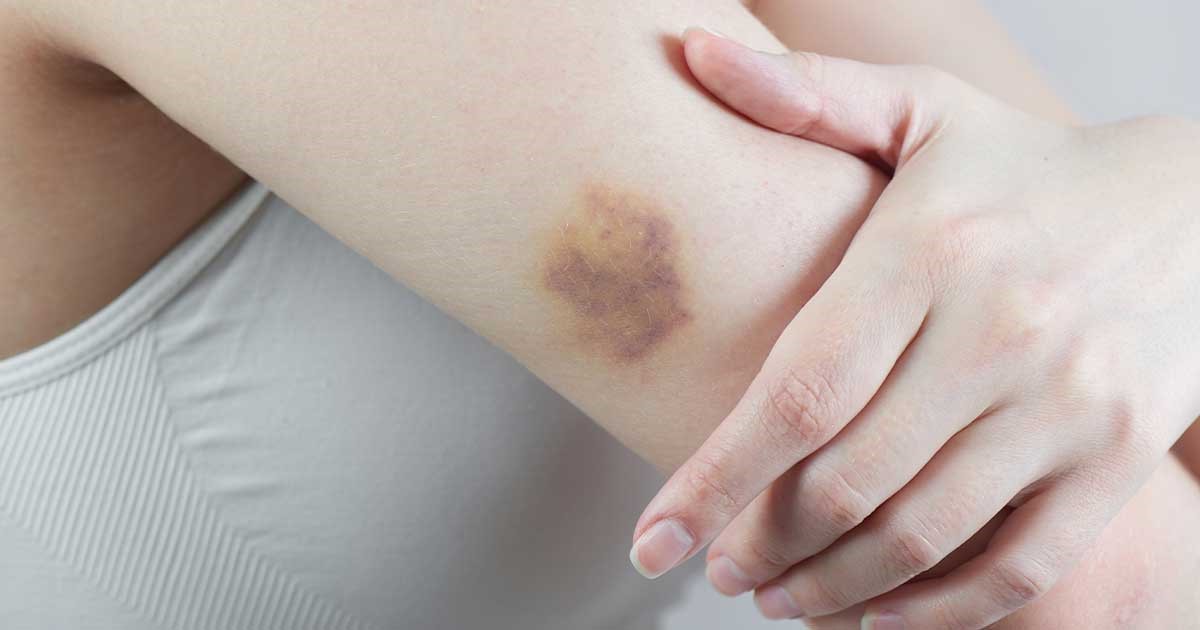
5. Bleeding or Clotting Disorders
Less commonly, easy bruising may be associated with disorders affecting blood clotting.
Examples include:
-
Platelet disorders
-
Von Willebrand disease
-
Hemophilia (rare)
These conditions may also cause:
-
Frequent nosebleeds
-
Bleeding gums
-
Heavy menstrual bleeding
-
Prolonged bleeding after cuts
Medical evaluation is important if these symptoms occur.
6. Liver Disease
The liver produces many proteins involved in blood clotting.
Advanced liver disease may reduce the body's ability to form clots, increasing the risk of bruising and bleeding.
Other possible symptoms include:
-
Yellowing of the skin or eyes (jaundice)
-
Swelling in the abdomen
-
Fatigue
-
Dark urine
7. Certain Medical Conditions
Several other conditions may contribute to bruising.
These include:
-
Chronic kidney disease
-
Autoimmune disorders
-
Blood cancers such as leukemia (less commonly)
-
Connective tissue disorders
It's important to remember that these conditions are much less common than everyday causes such as aging or medication use.
When Should You Be Concerned?
Most bruises are not dangerous.
However, seek medical advice if bruises:
-
Appear without any known injury.
-
Occur very frequently.
-
Become unusually large.
-
Take much longer than expected to heal.
-
Are accompanied by excessive bleeding.
-
Develop together with persistent fatigue, fever, or unexplained weight loss.
These symptoms do not necessarily indicate a serious illness but deserve evaluation.
When Is Bruising an Emergency?
Seek immediate medical care if bruising occurs:
-
After a significant head injury.
-
Along with severe pain or swelling.
-
With difficulty breathing.
-
Together with uncontrolled bleeding.
-
Following major trauma.
These situations require urgent assessment.
Can Lifestyle Affect Bruising?
Yes.
Several everyday habits influence blood vessel health.
Healthy choices include:
Eat a Balanced Diet
Foods rich in:
-
Vitamin C
-
Vitamin K
-
Iron
-
Protein
help support healthy skin and blood vessels.
Protect Your Skin
Long sleeves, gloves, and protective equipment may reduce accidental injuries during certain activities.
Stay Physically Active
Regular exercise helps maintain healthy circulation and muscle strength.
Limit Alcohol
Excessive alcohol use may increase the risk of nutritional deficiencies and liver disease, both of which can contribute to bruising.
Common Myths About Bruises
Myth 1: Every Unexplained Bruise Means Cancer
False.
Most unexplained bruises are caused by harmless factors such as aging, medications, or minor unnoticed injuries.
Myth 2: Bruises Always Need Treatment
Most bruises heal naturally without specific treatment.
Simple measures such as rest, ice during the first 24–48 hours, and elevation may help reduce discomfort.
Myth 3: Bruising Easily Is Always Normal
While easy bruising becomes more common with age, frequent or unexplained bruising should still be discussed with a healthcare professional if it is persistent or accompanied by other symptoms.
How Doctors Evaluate Easy Bruising
Your healthcare provider may ask questions about:
-
When bruising started.
-
Current medications.
-
Family history of bleeding disorders.
-
Recent illnesses.
-
Diet and nutrition.
Depending on the situation, blood tests may be recommended to evaluate:
-
Blood cell counts
-
Platelet levels
-
Blood clotting function
-
Liver function
These tests help identify possible underlying causes.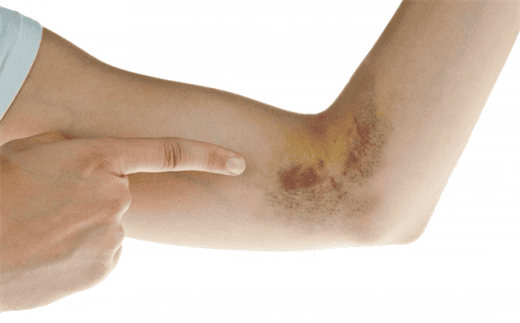
Final Thoughts
Most bruises are simply the result of minor injuries that heal naturally over time. However, if you notice bruises appearing frequently, developing without a clear cause, becoming unusually large, or occurring alongside symptoms such as excessive bleeding, persistent fatigue, fever, or unexplained weight loss, it's important to seek medical advice.
Easy bruising can result from many factors, including aging, medications, vitamin deficiencies, vigorous exercise, and, less commonly, bleeding disorders or other medical conditions. While the majority of cases are not caused by serious illness, paying attention to persistent changes in your body allows potential problems to be identified and treated early.
If you're ever unsure why bruises keep appearing, a conversation with your healthcare provider is the best way to determine the cause and ensure your overall health is well protected.