
Have You Ever Seen the Kamitetep? Here's What Makes This Unusual Moth So Fascinating
Curious About the Kamitetep? Here's What You Should Know About This Remarkable Moth
Health 30/06/2026 10:52
Collagen is the most abundant protein in the human body. It provides structure and strength to your skin, bones, muscles, tendons, ligaments, and blood vessels. In fact, collagen acts like the body's natural framework, helping maintain firm skin, flexible joints, and healthy connective tissues.
As we age, however, collagen production naturally declines. Beginning in our mid-20s, the body gradually produces less collagen each year. Factors such as excessive sun exposure, smoking, poor nutrition, chronic stress, and inadequate sleep can further accelerate this process, contributing to wrinkles, reduced skin elasticity, and joint discomfort.
While no food contains a magical ingredient that directly creates collagen in your body, certain nutrient-rich foods provide the amino acids, vitamins, and minerals your body needs to produce collagen naturally. A balanced diet remains one of the best ways to support healthy skin from the inside out.
Here are 9 foods that may help support your body's natural collagen production.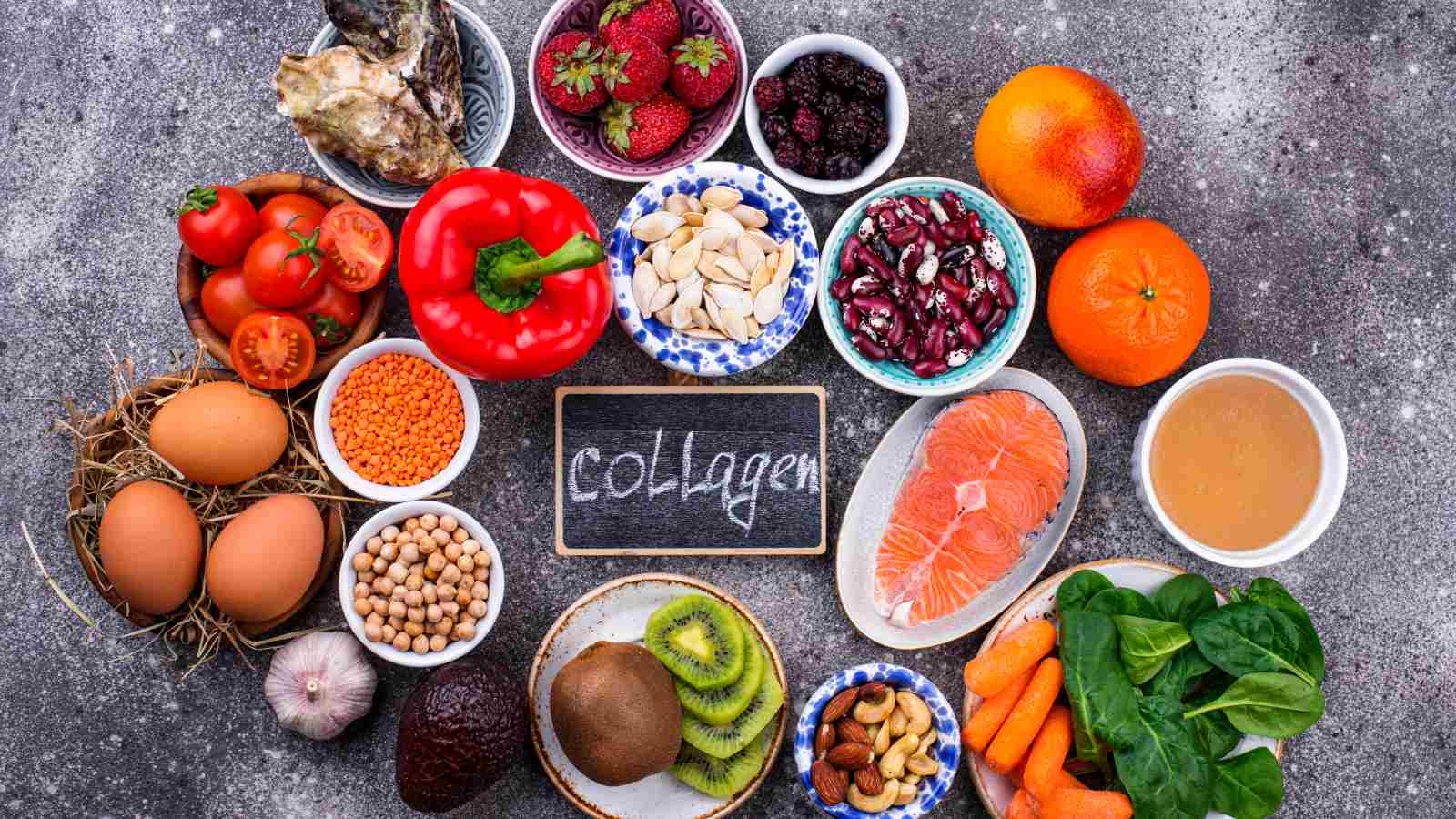
Collagen is made from amino acids, particularly:
Glycine
Proline
Hydroxyproline
To build collagen efficiently, your body also requires important nutrients such as:
Vitamin C
Zinc
Copper
Protein
Without these nutrients, collagen production becomes less efficient.
Oranges, lemons, grapefruits, and limes are excellent sources of vitamin C.
Vitamin C plays an essential role in collagen synthesis by helping convert amino acids into stable collagen fibers.
Examples include:
Oranges
Mandarins
Lemons
Limes
Grapefruit
Regularly eating vitamin C-rich fruits may support healthy skin, blood vessels, and connective tissues.
Berries provide both vitamin C and powerful antioxidants.
Popular choices include:
Strawberries
Blueberries
Blackberries
Raspberries
Antioxidants help protect skin cells from oxidative stress caused by environmental factors such as sunlight and pollution.
While antioxidants cannot stop aging, they may help support overall skin health.
Bone broth naturally contains collagen fragments, gelatin, and amino acids released from slowly simmered animal bones.
Although collagen consumed in food is broken down during digestion, it supplies amino acids that the body may reuse to build its own proteins, including collagen.
Bone broth can be a nutritious source of protein and minerals as part of a balanced diet.
Fish provides high-quality protein, which supplies the amino acids needed for collagen production.
Fatty fish such as:
Salmon
Sardines
Mackerel
Trout
also provide omega-3 fatty acids.
Omega-3 fats help support healthy skin by maintaining the skin's natural moisture barrier and reducing inflammation.
Some people also consume edible fish skin because it naturally contains collagen.
Eggs are rich in protein and contain amino acids involved in collagen production.
The egg white is especially high in protein, while the yolk provides additional vitamins and minerals.
Eggs also contain nutrients such as:
Sulfur
Biotin
Selenium
These nutrients contribute to healthy skin, hair, and nails.
Dark leafy greens are packed with vitamins and antioxidants.
Excellent choices include:
Spinach
Kale
Swiss chard
Collard greens
These vegetables provide:
Vitamin C
Vitamin A
Folate
Chlorophyll
Antioxidants
A nutrient-rich diet helps support the body's normal repair processes.
Red, yellow, and orange bell peppers are among the richest vegetable sources of vitamin C.
One serving can provide more vitamin C than many citrus fruits.
Bell peppers also contain carotenoids, which contribute to healthy skin.
Adding colorful vegetables to meals is an easy way to increase nutrient intake.
Nuts and seeds provide healthy fats, protein, zinc, and copper.
Examples include:
Almonds
Walnuts
Pumpkin seeds
Sunflower seeds
Cashews
Zinc and copper are important minerals involved in the formation and maintenance of connective tissue.
Healthy fats also support the skin's natural barrier function.
Beans are affordable, nutritious, and rich in plant protein.
Examples include:
Lentils
Chickpeas
Black beans
Kidney beans
Soybeans
They provide:
Protein
Zinc
Copper
Iron
Fiber
Combining legumes with a variety of fruits and vegetables helps create a nutrient-rich eating pattern.
Nutrition is only one part of the picture.
Healthy lifestyle habits also help protect collagen already present in the skin.
Ultraviolet (UV) radiation is one of the leading causes of collagen breakdown.
Using sunscreen, wearing protective clothing, and avoiding excessive sun exposure can help preserve skin health.
Smoking accelerates collagen breakdown and contributes to premature skin aging.
Quitting smoking benefits both skin and overall health.
During sleep, the body performs many important repair processes that support healthy skin.
Most adults benefit from seven to nine hours of sleep each night.
Proper hydration helps maintain normal skin function and overall health.
Although drinking extra water alone won't increase collagen production, staying hydrated supports healthy skin.
Regular physical activity improves circulation, helping deliver oxygen and nutrients throughout the body.
Exercise also supports overall healthy aging.
Collagen supplements have become increasingly popular.
Some studies suggest that certain collagen peptide supplements may improve skin hydration and elasticity in some individuals.
However:
Research is still evolving.
Results vary.
Supplements should complement—not replace—a healthy diet.
If you're considering supplements, discuss them with your healthcare provider, particularly if you have allergies or medical conditions.
Not exactly.
Dietary collagen is broken down into amino acids during digestion.
The body then uses these amino acids to build proteins where they are needed.
No single food can dramatically boost collagen production.
Overall dietary quality matters far more than any one ingredient.
Wrinkles are a normal part of aging and result from multiple factors, including genetics, sun exposure, lifestyle, and natural collagen decline.
Rather than focusing on one "superfood," aim for a balanced eating pattern that includes:
Lean proteins
Colorful fruits
Leafy vegetables
Healthy fats
Whole grains
Nuts and seeds
Legumes
This combination provides the nutrients your body needs to maintain healthy skin and connective tissues.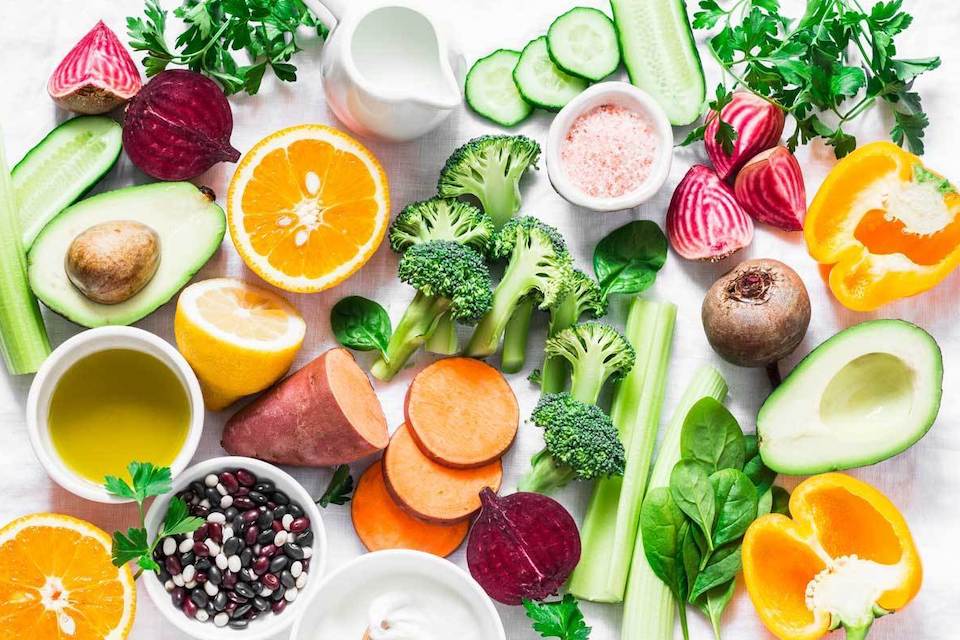
Collagen is essential for maintaining healthy skin, joints, bones, and connective tissues, but its production naturally declines with age. While no food can directly replace lost collagen, eating a balanced diet rich in protein, vitamin C, zinc, copper, and antioxidants provides your body with the building blocks it needs to produce collagen naturally.
Foods such as citrus fruits, berries, bone broth, fish, eggs, leafy greens, bell peppers, nuts, seeds, and legumes can all contribute valuable nutrients that support collagen formation. Combined with healthy habits such as protecting your skin from excessive sun exposure, avoiding smoking, staying active, and getting enough sleep, these dietary choices can help support healthier-looking skin and overall well-being over time.
True skin health isn't achieved through one ingredient alone—it's the result of consistent nutrition, healthy lifestyle choices, and proper skin care working together.
Curious About the Kamitetep? Here's What You Should Know About This Remarkable Moth

Doctors Say This Everyday Fruit May Be Better for You Than You Think

Drinking more water isn't always better

The Reason You Wake Up at 3 or 4 A.M. May Surprise You 👀

Millions Miss These 9 Early Diabetes Symptoms—Don't Be One of Them

Your Bruises Could Be Telling You Something Important About Your Health

The bumps are a lot more common than you'd think


If You Drool While Sleeping Often, Check for These 6 Diseases


For example, if you have these 4 conditions when walking, be alert for diabetes






4 Types of Drinks Doctors Warn Against: A Growing Cause of Kidney Disease


🫚 One Cup Before Bed: 8 Possible Benefits of Ginger Tea
Curious About the Kamitetep? Here's What You Should Know About This Remarkable Moth
Doctors Say This Everyday Fruit May Be Better for You Than You Think
Drinking more water isn't always better
The Reason You Wake Up at 3 or 4 A.M. May Surprise You 👀
Millions Miss These 9 Early Diabetes Symptoms—Don't Be One of Them
Your Bruises Could Be Telling You Something Important About Your Health

The Surprising Safety Reason Cabin Crew Sit With Their Hands Under Their Legs
The bumps are a lot more common than you'd think

If You Drool While Sleeping Often, Check for These 6 Diseases
For example, if you have these 4 conditions when walking, be alert for diabetes

Most people don’t notice kidney failure until it’s too late — remember this to prevent it Kidney Failure Is Silent — Remember to Do These Things to Prevent It