What Causes Sebaceous Cysts — and Can You Treat Them Naturally at Home?
Sebaceous cysts are small lumps that usually appear under the skin. They often develop on the face, neck, back, or scalp and are typically harmless — but they can become uncomfortable or irritated over time.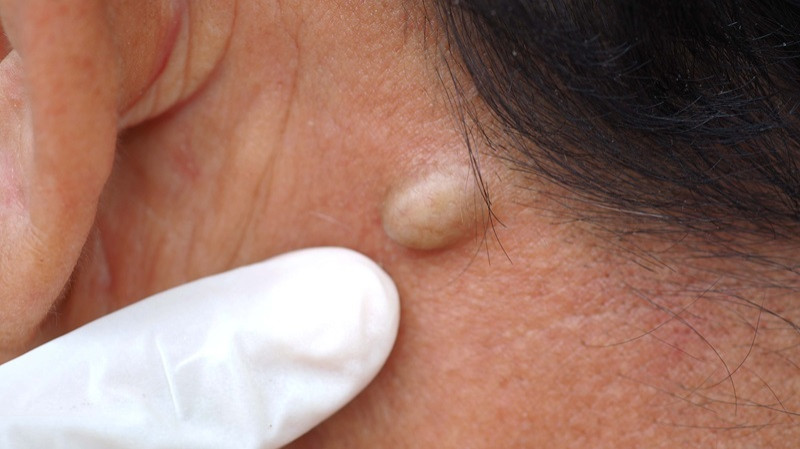
🔍 What Causes Sebaceous Cysts?
These cysts usually form when oil-producing glands or hair follicles become blocked. Common possible causes include:
• Trapped oil and dead skin cells
• Skin injuries or irritation
• Swollen hair follicles
• Hormonal changes
• Acne-prone skin
• Excess oil production
Most sebaceous cysts grow slowly and are non-cancerous, but some may become red, swollen, or infected.
🏡 Natural Ways People Try to Manage Them at Home
While home remedies may help reduce discomfort or irritation, they usually do not remove the cyst completely.
✅ Warm Compress
Applying a warm compress for 10–15 minutes several times a day may help encourage drainage and reduce swelling.
✅ Keep the Area Clean
Wash gently with mild soap and water to avoid irritation or infection.
✅ Tea Tree Oil
Some people use diluted tea tree oil because of its natural antibacterial properties. Always patch test first.
✅ Aloe Vera Gel
Aloe vera may help soothe irritated skin and reduce redness.
✅ Avoid Squeezing or Popping
Trying to burst a cyst at home can increase the risk of infection, inflammation, or scarring.
⚠️ When Should You See a Doctor?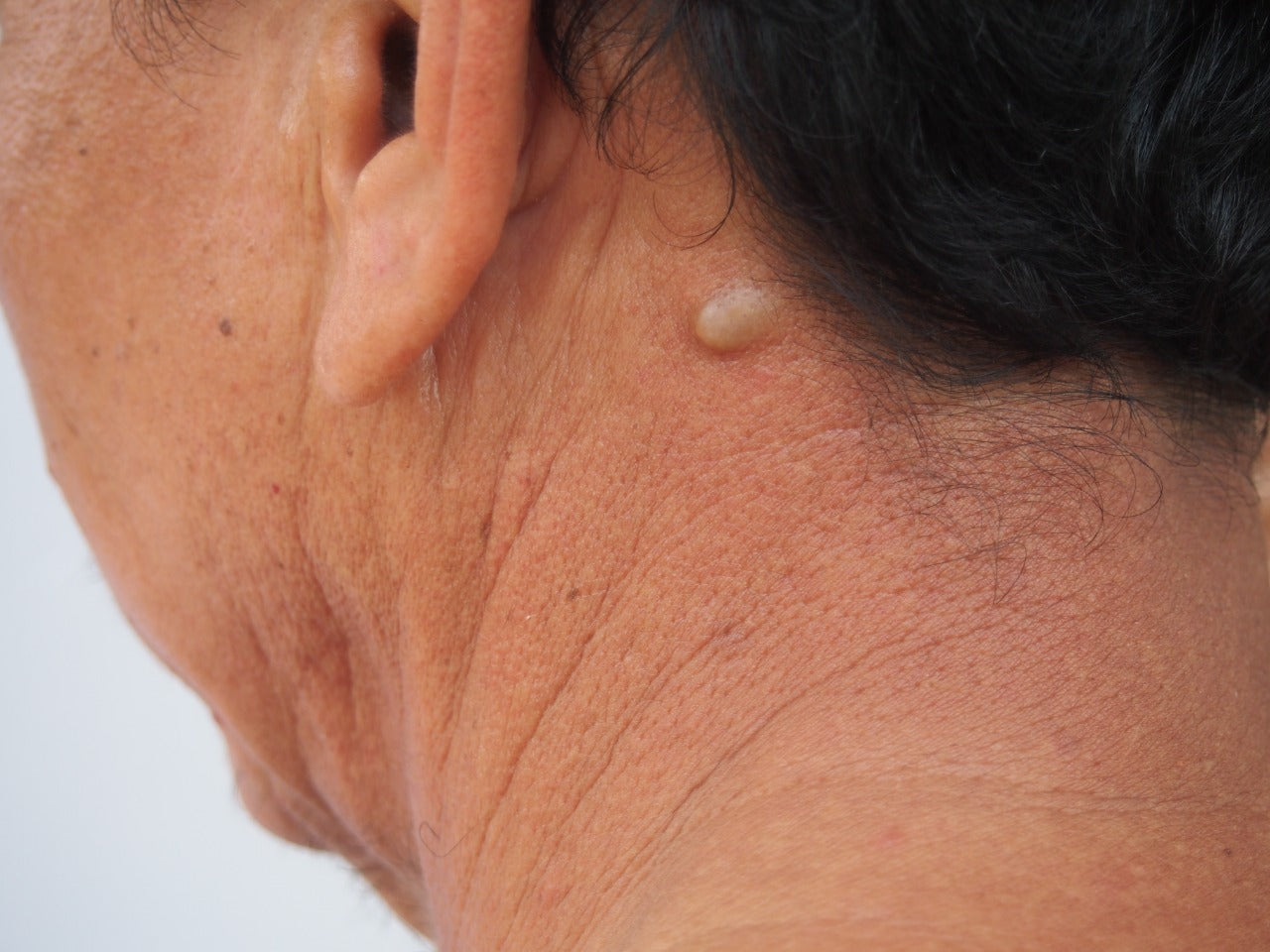
Seek medical attention if the cyst:
• Becomes painful or very red
• Starts draining pus or blood
• Grows quickly
• Keeps coming back
• Interferes with daily activities
In some cases, a doctor may recommend drainage or minor surgical removal.
👀 Many skin lumps are harmless, but it’s always important to monitor changes and get professional advice if something doesn’t seem right.
👇 Have you ever dealt with a sebaceous cyst before?
What Causes Sebaceous Cysts — and Can You Treat Them Naturally at Home?
Sebaceous cysts are common skin lumps that can appear on almost any part of the body. They are frequently found on the face, neck, scalp, back, chest, and other areas where hair follicles are present. For many people, these lumps develop slowly, remain painless, and cause little trouble. For others, however, a cyst may become irritated, swollen, tender, or inflamed, making everyday activities uncomfortable.
Discovering a lump beneath your skin can naturally raise questions. Is it dangerous? What caused it to form? Can it disappear on its own? And are there natural remedies that can help reduce its size without requiring a medical procedure?
The good news is that most epidermoid cysts, commonly called sebaceous cysts, are benign and do not require immediate treatment if they are not causing problems. Simple home care may help relieve mild discomfort, particularly when a cyst becomes irritated. However, natural remedies generally cannot remove the entire cyst wall, which is why some cysts persist or return after draining.
Understanding what these lumps are, how they develop, and when to seek medical advice can help you care for your skin safely and confidently.
1. What Exactly Is a Sebaceous Cyst?
A sebaceous cyst is a term commonly used to describe a small, enclosed pocket beneath the skin. In everyday conversation, the name is often applied to epidermoid cysts, which are among the most common types of skin cysts.
There is an important medical distinction, however. A true sebaceous cyst develops from sebaceous glands and contains oily material, while an epidermoid cyst usually contains keratin, a protein found naturally in the skin, hair, and nails.
Although the two conditions are different, they can look similar and are frequently confused.
An epidermoid cyst forms when skin cells become trapped beneath the surface instead of shedding normally. These cells continue producing keratin, which gradually accumulates inside a small sac. As the material builds up, the sac becomes noticeable as a rounded lump.
The cyst may feel soft, firm, or slightly rubbery. Some can move a little beneath the skin when touched gently. Others have a tiny dark opening in the center, sometimes resembling a blackhead.
Most cysts grow slowly over weeks, months, or even years. They may remain the same size for a long time without causing pain.
Occasionally, the cyst becomes inflamed or ruptures beneath the skin. When this happens, the surrounding area may become red, swollen, warm, or tender. Thick, whitish or yellowish material may also drain from the opening.
These changes do not automatically mean that the cyst is infected. Inflammation can occur when the contents escape into surrounding tissue, even without a bacterial infection.
Because different skin conditions can resemble one another, a new or changing lump should not automatically be assumed to be a cyst.
2. What Causes Sebaceous Cysts to Develop?
There is no single explanation for every skin cyst. Several processes can contribute to their formation, and sometimes the exact cause remains unknown.
Trapped skin cells
One of the main causes of epidermoid cysts is the trapping of cells from the outer layer of the skin beneath its surface.
Normally, old skin cells gradually move outward and are shed. If some cells become trapped deeper in the skin, they can continue producing keratin inside a small enclosed pocket.
Over time, the accumulated material enlarges the pocket, creating a cyst.
This process explains why a cyst can develop even when the skin appears healthy and there is no obvious blockage or irritation.
Blocked or damaged hair follicles
Hair follicles are small structures in the skin from which hairs grow. Damage, inflammation, or disruption around a follicle can sometimes contribute to cyst formation.
When the normal movement of skin cells is interrupted, cells may become trapped beneath the surface and begin accumulating keratin.
This is one reason cysts commonly appear on the scalp, face, neck, and trunk.
However, not every blocked pore becomes a cyst, and ordinary oily skin does not necessarily mean that someone will develop one.
Skin injuries and irritation
Minor skin injuries can sometimes contribute to cyst development.
Scratches, cuts, surgical wounds, or other forms of trauma may push surface skin cells deeper into the tissue. If these cells become enclosed, a cyst may eventually form.
The lump might not become noticeable until long after the original injury has healed.
Repeated friction or irritation can also aggravate an existing cyst, especially when it lies beneath clothing, backpack straps, or areas frequently touched during grooming.