


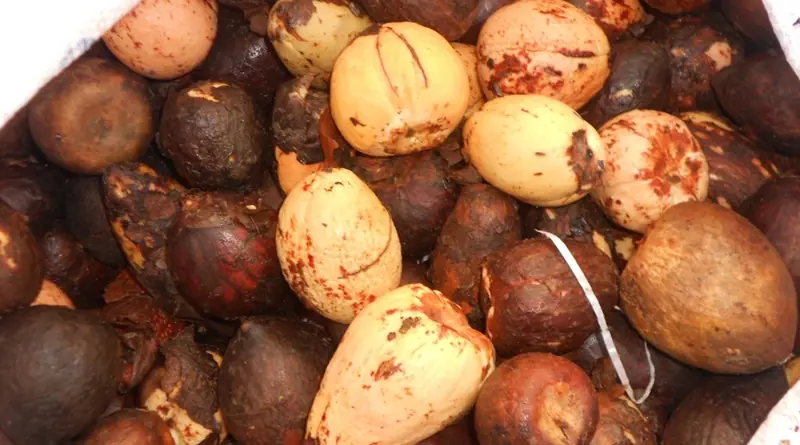
Many People Discard Avocado Seeds but They May Have More Uses Than You Think
Health 07/06/2026 16:53
Vegetables are widely recognized as one of the healthiest components of a balanced diet. Rich in vitamins, minerals, fiber, and antioxidants, they play an important role in supporting heart health, digestion, immune function, and overall well-being.
However, health experts and environmental researchers have increasingly highlighted a lesser-known issue: the potential for certain vegetables to absorb heavy metals from their growing environment.
The good news is that vegetables remain an essential part of a healthy diet, and the presence of heavy metals does not mean people should stop eating them. Rather, understanding how contamination occurs and which vegetables may be more susceptible can help consumers make informed decisions.
Let's take a closer look at what heavy metals are, how they enter the food supply, and why some vegetables may be more vulnerable than others.
Heavy metals are naturally occurring elements found in soil, water, and air.
Some heavy metals, such as:
Zinc
Copper
Iron
are essential for human health in small amounts.
Others can become harmful when exposure levels become excessive.
Common heavy metals of concern include:
Lead
Cadmium
Arsenic
Mercury
Long-term exposure to elevated levels may contribute to various health concerns depending on the amount and duration of exposure.
Vegetables do not produce heavy metals themselves.
Instead, contamination typically occurs through environmental exposure.
Plants absorb nutrients and water through their roots.
If soil contains elevated levels of heavy metals, plants may absorb some of these substances along with essential nutrients.
Sources of soil contamination may include:
Historical industrial activity
Mining operations
Heavy traffic areas
Improper waste disposal
Certain fertilizers
Water used for irrigation can also introduce contaminants.
If water sources contain heavy metals, crops may be exposed during growth.
Industrial emissions and vehicle exhaust may deposit contaminants onto soil and plant surfaces.
Not all vegetables absorb contaminants in the same way.
Several factors influence uptake, including:
Plant species
Root structure
Growing conditions
Soil chemistry
As a result, certain vegetables tend to accumulate higher levels than others under similar environmental conditions.
Leafy greens are highly nutritious but are often studied because of their ability to absorb substances from both soil and the environment.
Examples include:
Spinach
Lettuce
Kale
Swiss chard
Their large surface areas allow greater exposure to:
Dust
Airborne particles
Irrigation water
Their rapid growth rates may also contribute to increased uptake of certain minerals and contaminants.
Leafy greens remain among the most nutrient-rich foods available and continue to be strongly recommended as part of a healthy diet.
Root vegetables grow directly within the soil, making them another category frequently examined in contamination studies.
Examples include:
Carrots
Beets
Radishes
Turnips
Because the edible portion develops underground, direct contact with contaminated soil can increase exposure risk under certain conditions.
The degree of accumulation depends heavily on soil quality.
Potatoes are another underground crop often included in environmental monitoring studies.
Like other root crops, they may absorb contaminants present in the soil.
Again, contamination levels vary greatly depending on where and how the potatoes are grown.
Researchers sometimes monitor herbs and rapidly growing vegetables because they can absorb nutrients efficiently.
Examples include:
Parsley
Cilantro
Mustard greens
These plants may reflect environmental conditions in the areas where they are cultivated.
Soil quality is often the most important factor influencing contamination risk.
Properly managed agricultural soil can:
Reduce heavy metal availability
Support healthier crops
Improve overall food safety
Many commercial farms regularly monitor soil conditions to ensure crops meet food safety standards.
Home gardeners can also test soil, especially when gardening near:
Older buildings
Industrial areas
Busy roads
One important point often overlooked in headlines is that the presence of heavy metals does not automatically mean a food is unsafe.
Food safety agencies around the world establish limits designed to protect public health.
Commercially sold vegetables are typically monitored and regulated to help ensure contamination remains within acceptable levels.
The greatest concern tends to involve:
Long-term exposure
Repeated consumption from heavily contaminated sources
Environmental hotspots
Stories about contamination can sometimes create unnecessary fear.
The reality is that vegetables provide enormous health benefits.
Research consistently shows that diets rich in vegetables are associated with:
Lower cardiovascular disease risk
Better digestive health
Improved weight management
Reduced risk of many chronic diseases
For most people, the benefits of vegetable consumption far outweigh potential risks associated with trace environmental contaminants.
Washing vegetables under running water helps remove:
Dirt
Dust
Surface contaminants
Peeling may reduce some surface contamination on certain root crops.
Eating a variety of vegetables reduces reliance on any single food source.
Commercial growers often follow safety standards and monitoring programs.
Organic farming may reduce some pesticide exposure, but heavy metal contamination depends primarily on soil and environmental conditions rather than organic certification alone.
Most vegetables contain either no detectable contamination or levels well below regulatory safety limits.
Heavy metals originate mainly from environmental sources and may affect both conventional and organic crops.
Washing helps reduce surface contaminants but cannot remove substances that have already been absorbed into plant tissues.
Risk depends heavily on growing conditions, not simply the type of vegetable.
Governments and food safety agencies routinely monitor agricultural products.
These programs help:
Detect contamination
Enforce safety standards
Protect public health
Identify environmental concerns
Food safety systems play a major role in keeping the food supply safe.
Heavy metal contamination is a legitimate environmental and food safety issue, but it is important to keep the risk in perspective. Certain vegetables—particularly leafy greens and root crops—may be more likely to absorb contaminants under specific growing conditions. However, contamination levels depend largely on soil quality, water sources, and environmental factors rather than the vegetables themselves.
For most consumers, vegetables remain one of the healthiest foods available. Washing produce thoroughly, maintaining a varied diet, purchasing from reputable sources, and staying informed about food safety recommendations can help minimize exposure while preserving the many benefits vegetables provide.
Rather than avoiding vegetables, the goal should be understanding how food is grown and making informed choices that support both safety and nutrition.

How Dates Can Support Your Overall Health and Well-Being?
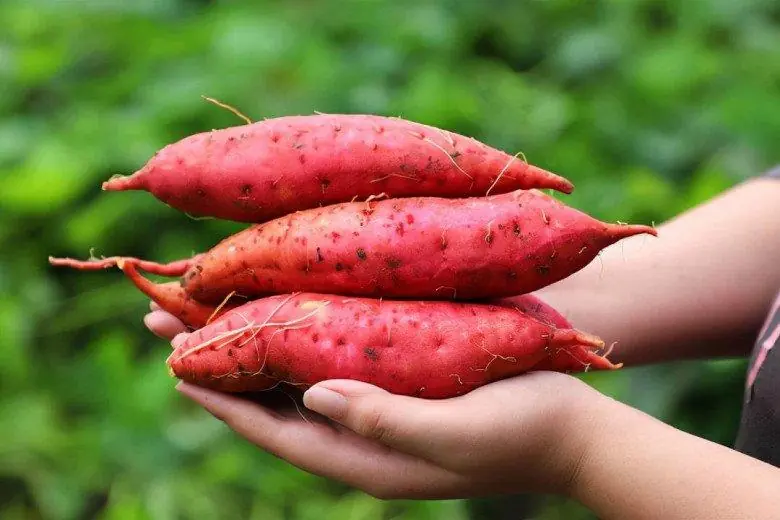
Sweet Potatoes Offer More Than Great Taste - Here's Why They're Good for You
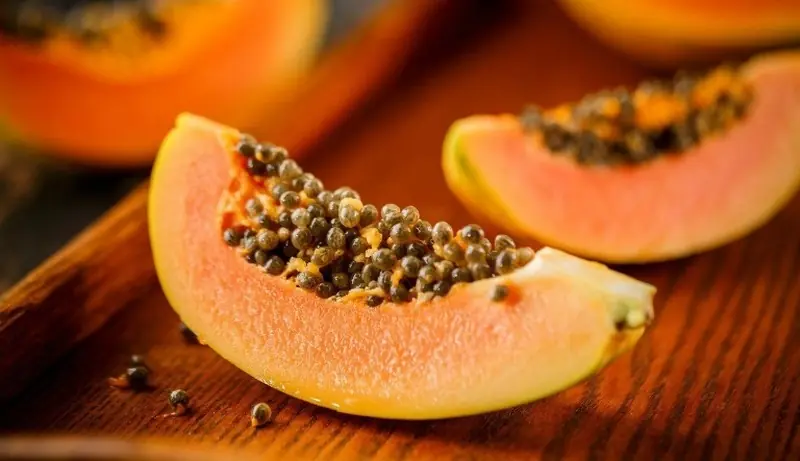
Everyone Knows Papaya Is Nutritious But Its Seeds Deserve Attention Too
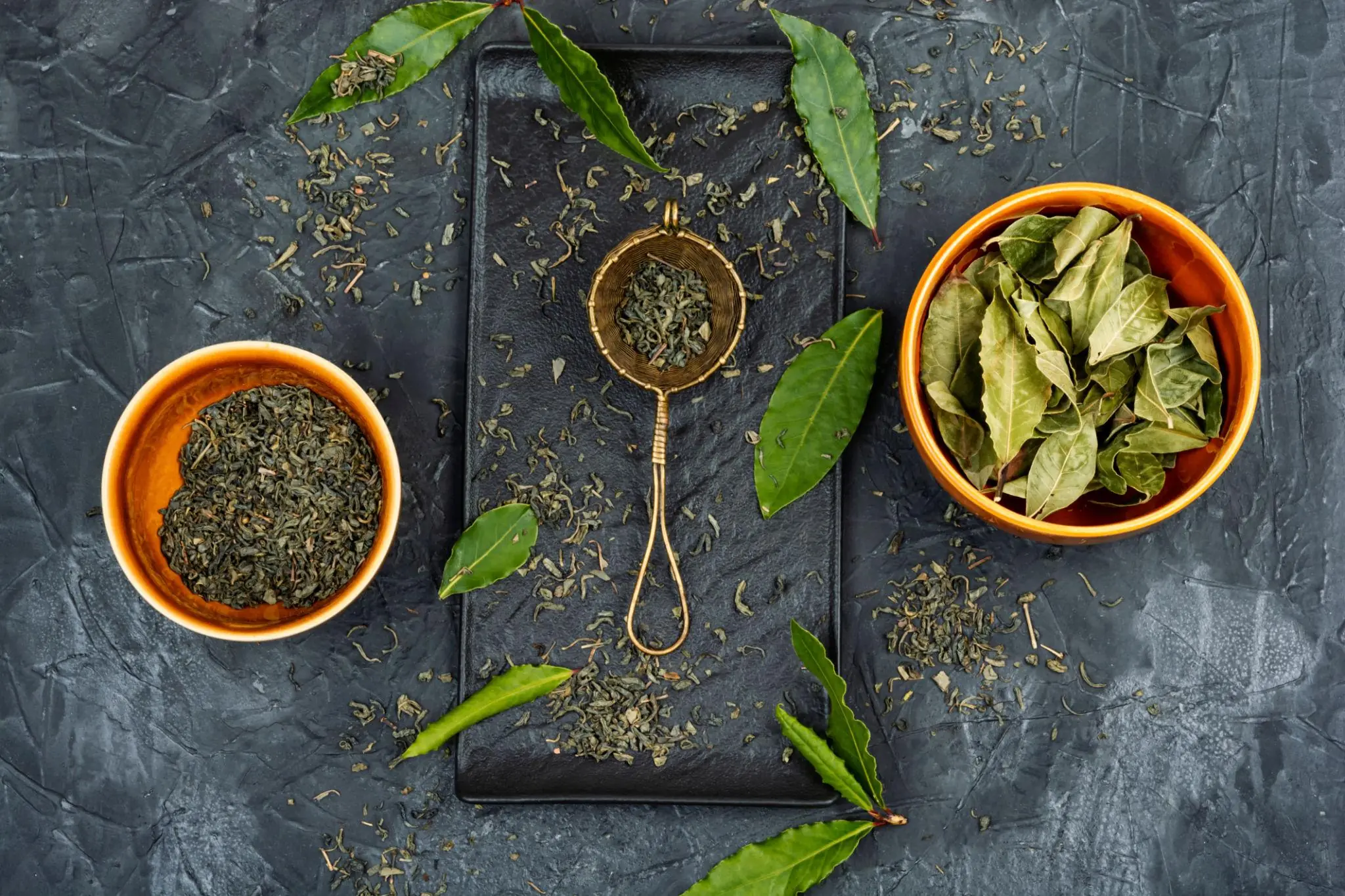
This Simple Bay Leaf and Lemon Syrup Is Commonly Used to Help Ease Occasional Coughing

Many People Throw Away Sprouted Garlic, but It May Still Be Useful

Kidney Disease Often Starts Silently—Know the Signs
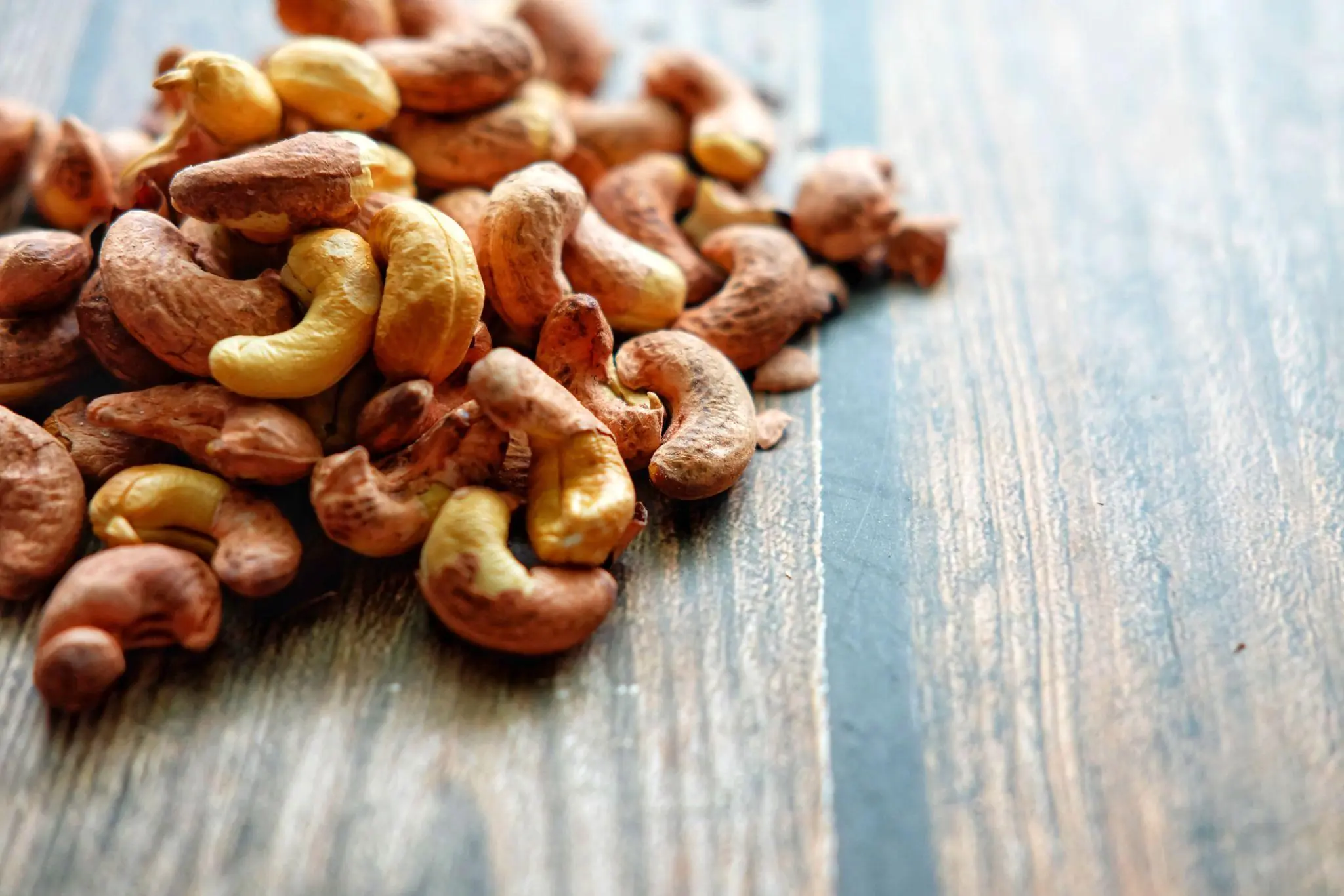
Let's take a closer look at what doctors and nutrition science reveal about making cashews a regular part of your diet.
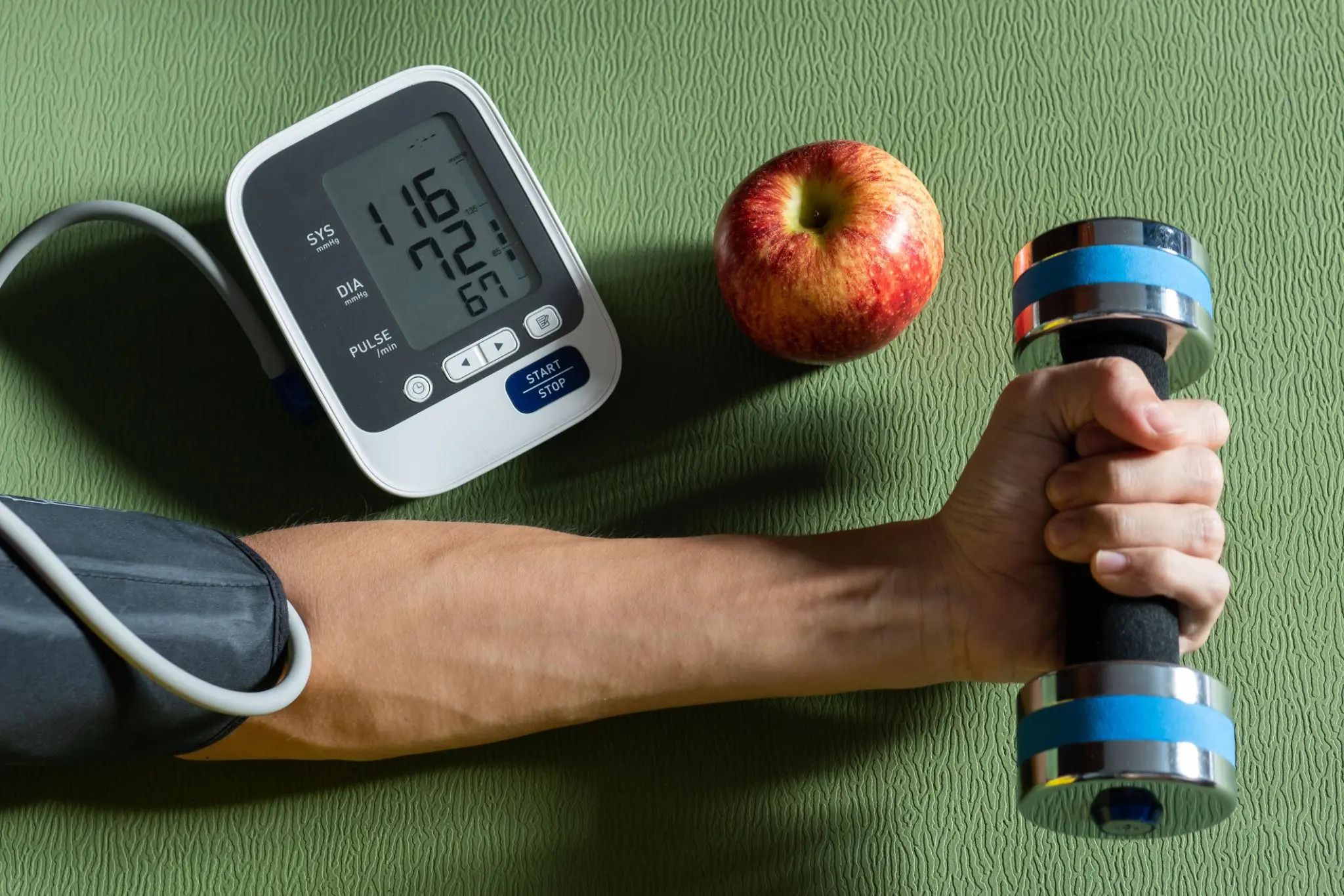
For years, salt has been considered the primary dietary villain behind high blood pressure. While excessive sodium intake certainly plays a major role, health experts now emphasize that hypertension is a much more complex condition influenced by multiple
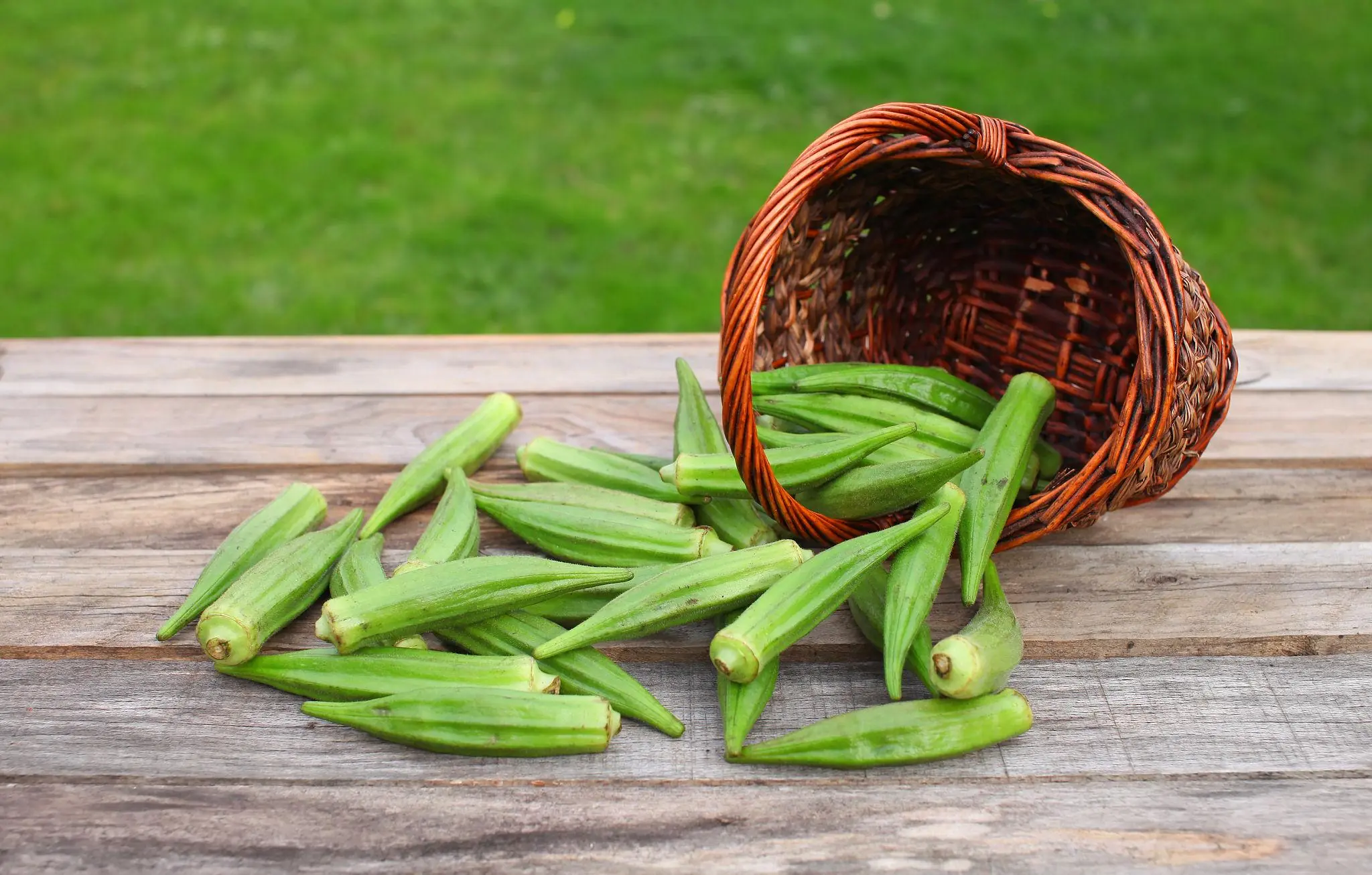
Most People Ignore Okra—Here's Why They Shouldn't
Should You Eat Corn Every Day?
Don't Ignore These 7 Nighttime Signs—They Could Indicate High Blood Sugar
What Happens When You Eat Walnuts Every Day? Doctors Share the Science

Healthy Arteries, Healthier Life: 6 Tips Backed by Science

Sharing a shower may reveal intimacy, trust, and emotional connection.
Cucumbers offer many benefits, but they may not suit everyone equally.
According to health enthusiasts, drinking clove water consistently for 30 days may offer a variety of health benefits.

The Silent Threat to Your Kidneys You May Be Ignoring

Before You Grab Another Coconut Water, Read This
Could Your Garden Be Inviting Snakes Without You Realizing It?

Looking for Sparkling Floors? This Easy Cleaning Method Might Help
This Simple Trick of Storing Scissors in a Container of Rice Has Unexpected Advantages
How Dates Can Support Your Overall Health and Well-Being?
Sweet Potatoes Offer More Than Great Taste - Here's Why They're Good for You
Everyone Knows Papaya Is Nutritious But Its Seeds Deserve Attention Too
This Simple Bay Leaf and Lemon Syrup Is Commonly Used to Help Ease Occasional Coughing
Many People Throw Away Sprouted Garlic, but It May Still Be Useful

Put a Roll of Toilet Paper in Your Fridge and See What Happens

Are You Showering at the Wrong Time? Read This First
Kidney Disease Often Starts Silently—Know the Signs
Let's take a closer look at what doctors and nutrition science reveal about making cashews a regular part of your diet.
For years, salt has been considered the primary dietary villain behind high blood pressure. While excessive sodium intake certainly plays a major role, health experts now emphasize that hypertension is a much more complex condition influenced by multiple
Most People Ignore Okra—Here's Why They Shouldn't
Should You Eat Corn Every Day?

Why Should You Leave the Bathroom Light On in a Hotel?
Don't Ignore These 7 Nighttime Signs—They Could Indicate High Blood Sugar
What Happens When You Eat Walnuts Every Day? Doctors Share the Science