When enjoying an avocado, most people focus on the creamy green flesh and immediately toss the large seed into the trash. After all, the seed appears hard, inedible, and seemingly useless. However, in recent years, avocado seeds have attracted growing interest from researchers, sustainability advocates, and health-conscious consumers who believe this often-discarded part of the fruit may deserve a second look.
Although avocado seeds are not nearly as popular as the fruit itself, they contain a variety of naturally occurring compounds that have sparked scientific curiosity. Some people dry and grind the seeds into powder, while others explore non-food uses around the home and garden.
Before throwing away your next avocado seed, here's what you should know about its potential nutritional value, practical uses, and important safety considerations.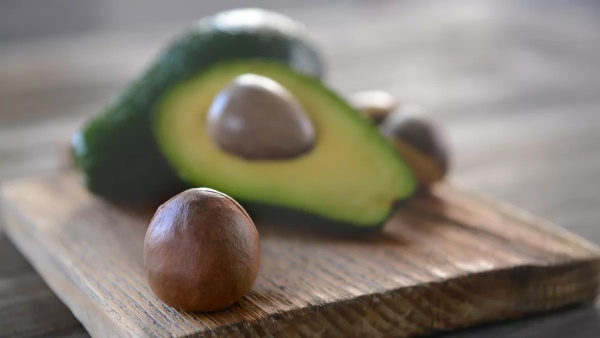
The Overlooked Part of the Avocado
Avocados are widely celebrated for their healthy fats, fiber, vitamins, and minerals.
But What About the Seed?
The seed makes up a surprisingly large portion of the fruit.
In fact, the seed can account for approximately 13–18% of the avocado's total weight, depending on the variety.
For decades, most consumers simply viewed it as waste.
Today, however, researchers are exploring whether the seed contains valuable compounds worth utilizing.
What Is Found Inside an Avocado Seed?
Avocado seeds contain a range of naturally occurring substances.
These Include
-
Fiber
-
Polyphenols
-
Antioxidants
-
Plant compounds
-
Small amounts of healthy fats
Many of these compounds are also found in fruits, vegetables, tea, and other plant-based foods.
Why Researchers Are Interested
Scientists have investigated avocado seeds because some of these compounds exhibit antioxidant activity in laboratory studies.
However, much more research is needed to determine how these findings apply to human health.
Potential Benefit #1: Source of Dietary Fiber
Fiber is one of the most important nutrients for digestive health.
Why Fiber Matters
Fiber may help support:
-
Regular bowel movements
-
Digestive comfort
-
Feelings of fullness
-
Healthy gut bacteria
Avocado seeds contain a significant amount of fiber, which is one reason they attract attention.
Understanding Gut Health
The digestive system contains trillions of microorganisms known collectively as the gut microbiome.
Fiber Helps Feed Beneficial Gut Bacteria
A healthy gut microbiome may contribute to:
-
Digestive wellness
-
Immune function
-
Overall health
Potential Benefit #2: Contains Antioxidant Compounds
One of the most commonly discussed features of avocado seeds is their antioxidant content.
What Are Antioxidants?
Antioxidants help protect cells from oxidative stress.
Oxidative stress occurs when unstable molecules known as free radicals accumulate faster than the body can neutralize them.
Oxidative Stress Has Been Linked To
-
Aging
-
Inflammation
-
Various chronic diseases
A diet rich in antioxidant-containing foods may support long-term health.
Potential Benefit #3: Reducing Food Waste
One of the strongest arguments for utilizing avocado seeds has little to do with nutrition.
It Involves Sustainability
Millions of tons of food waste are generated worldwide each year.
Finding creative uses for avocado seeds may help reduce unnecessary waste.
Examples Include
-
Homemade powders
-
Garden projects
-
Composting
-
Craft uses
Potential Benefit #4: May Be Used in Homemade Powders
Some people dry avocado seeds and grind them into powder.
The Process Typically Involves
-
Washing the seed.
-
Drying it thoroughly.
-
Grating or chopping it.
-
Grinding it into a fine powder.
Common Uses
The powder may be added to:
-
Smoothies
-
Oatmeal
-
Yogurt
-
Baked goods
However, because avocado seed powder has a naturally bitter taste, many people use only small amounts.
Potential Benefit #5: Interesting Culinary Experimentation
Avocado seed powder has become increasingly popular among adventurous home cooks.
Why?
It adds:
-
Texture
-
Earthy flavor
-
Unique plant compounds
Some people use it similarly to spices or nutritional powders.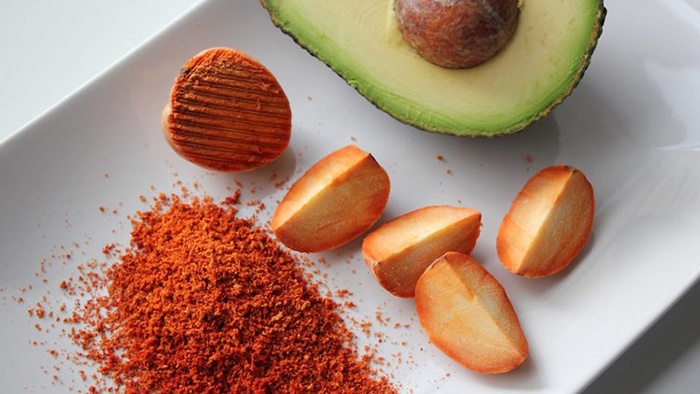
What Does Avocado Seed Taste Like?
The flavor is very different from avocado flesh.
Common Descriptions Include
-
Bitter
-
Earthy
-
Woody
-
Slightly nutty
The strong taste is one reason it is typically used sparingly.
Potential Benefit #6: Home Gardening Applications
Even if you do not plan to eat avocado seeds, they can still be useful.
Many People Grow Avocado Plants
A single seed can be used to start an avocado tree.
Basic Steps
-
Clean the seed.
-
Suspend it partially in water using toothpicks.
-
Place it near sunlight.
-
Wait for roots and shoots to develop.
Growing an avocado plant can be a rewarding gardening project.
Potential Benefit #7: Composting
Avocado seeds can also be composted.
Composting Helps
-
Reduce waste
-
Enrich soil
-
Support sustainable gardening
Although seeds decompose more slowly than softer food scraps, they can still contribute to compost systems.
What Does Science Actually Say?
It's important to separate scientific evidence from internet hype.
Current Research Shows
Avocado seeds contain:
-
Antioxidants
-
Fiber
-
Various plant compounds
However
Most research remains:
-
Preliminary
-
Laboratory-based
-
Animal-based
Human studies remain limited.
Common Claims About Avocado Seeds
Online articles sometimes make dramatic health claims.
Examples Include Claims That Avocado Seeds Can
-
Cure diseases
-
Detoxify the body
-
Melt fat
-
Replace medications
There is currently no strong scientific evidence supporting these claims.
Safety Considerations
One of the most important topics regarding avocado seeds is safety.
Why Caution Is Needed
Researchers are still studying certain compounds found in avocado seeds.
Although small amounts are often consumed by enthusiasts, there is not yet enough evidence to recommend large quantities.
Moderation Matters
As with many plant-based ingredients, more is not necessarily better.
Who Should Be Especially Careful?
Certain individuals should consult a healthcare professional before consuming avocado seed products.
This May Include
-
Pregnant women
-
Breastfeeding women
-
People with chronic illnesses
-
Individuals taking medications
Personalized advice is always best.
Common Myths About Avocado Seeds
Myth 1: They Are Completely Useless
Avocado seeds have several potential culinary and practical applications.
Myth 2: They Are a Miracle Superfood
Current evidence does not support such claims.
Myth 3: They Can Replace Medical Treatment
No food should replace prescribed healthcare recommendations.
Myth 4: More Is Better
Excessive consumption may increase the risk of unwanted effects.
Healthy Living Goes Beyond One Ingredient
Even if avocado seeds contain interesting nutrients, overall health depends on broader lifestyle habits.
Key Foundations Include
-
Balanced nutrition
-
Regular exercise
-
Quality sleep
-
Stress management
-
Routine healthcare
No single food or ingredient can substitute for these essentials.
Other Ways to Use Avocado Seeds
Beyond food and gardening, creative individuals have found additional uses.
Examples Include
-
Natural craft projects
-
Decorative items
-
Homemade dyes
-
Educational gardening activities
These uses help extend the value of something that would otherwise be discarded.
The Future of Avocado Seed Research
Scientists continue exploring potential applications for avocado seeds.
Areas of interest include:
-
Food ingredients
-
Nutritional compounds
-
Sustainable agriculture
-
Waste reduction
As research advances, we may learn more about the benefits and limitations of this overlooked part of the avocado.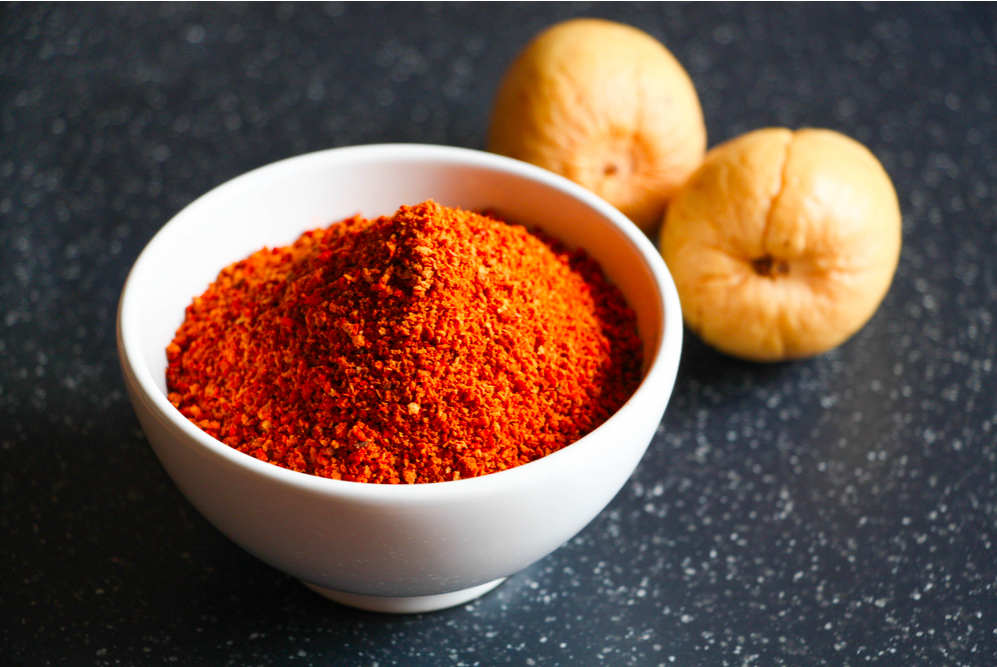
Final Thoughts
Most people throw away avocado seeds without a second thought, yet these large seeds contain fiber, antioxidants, and plant compounds that have attracted growing scientific interest. While current evidence does not support many of the dramatic health claims often seen online, avocado seeds may offer some nutritional value and several practical uses ranging from homemade powders to gardening projects.
The key is to approach avocado seeds with curiosity and realistic expectations. Rather than viewing them as a miracle ingredient, consider them an example of how everyday food scraps can sometimes have surprising potential. Sometimes the parts we discard most quickly are the ones that have the most interesting stories to tell.