Datura stramonium, commonly known as Jimson weed, thorn apple, or devil’s trumpet, is a plant native to North America but now found worldwide. While it may appear attractive due to its trumpet-shaped flowers and prickly seed pods, Datura stramonium is highly toxic and poses significant health risks. For centuries, it has been used in traditional medicine and spiritual practices, but improper use or accidental ingestion can result in severe poisoning, hallucinations, or even death. This article will explore the potential health risks of Datura stramonium, highlighting its toxicity and the dangers it presents to both humans and animals.
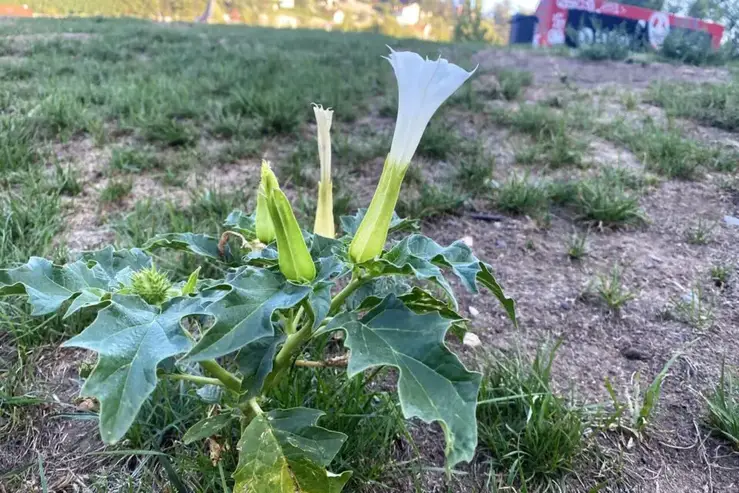
What Makes Datura Stramonium So Dangerous?
Datura stramonium contains several potent alkaloids, including atropine, hyoscyamine, and scopolamine, which are responsible for its toxic effects. These alkaloids act as anticholinergics, meaning they block the neurotransmitter acetylcholine, leading to a disruption in the body’s normal functions, particularly in the central nervous system.
Toxic Alkaloids in Datura Stramonium:
Atropine: Causes pupil dilation, increased heart rate, and hallucinations.
Hyoscyamine: Affects smooth muscle activity, leading to a decrease in bodily secretions and difficulties in urination and digestion.
Scopolamine: Known for its powerful hallucinogenic effects and its ability to induce confusion, agitation, and disorientation.
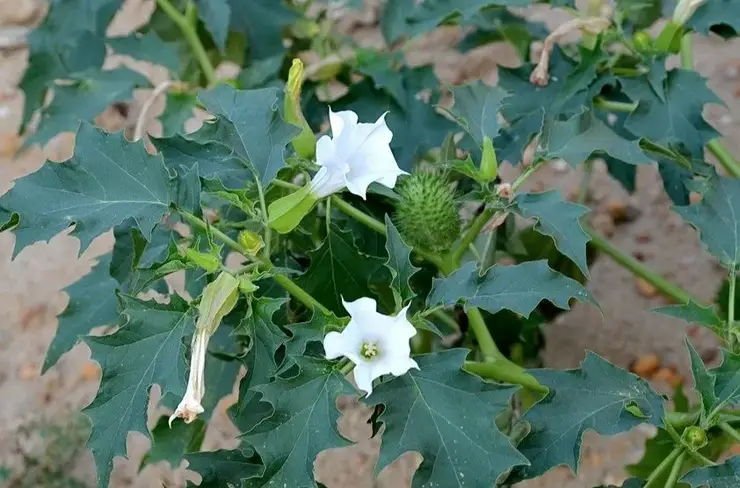
Due to the presence of these alkaloids, all parts of the Datura stramonium plant, including seeds, flowers, leaves, and stems, are poisonous. Ingesting even a small amount of the plant can lead to serious health consequences.
Symptoms of Datura Stramonium Poisoning
Datura stramonium poisoning manifests with a wide range of symptoms, often reflecting the effects of anticholinergic toxicity. These symptoms can appear within 30 to 60 minutes of ingestion and can last for 24 to 48 hours, depending on the amount consumed and the individual’s sensitivity to the plant’s toxic compounds.
Common symptoms of Datura stramonium poisoning include:
Dry mouth and skin: One of the first noticeable symptoms due to the suppression of saliva and sweat glands.
Dilated pupils: Individuals may experience blurred vision or sensitivity to light.
Rapid heartbeat (tachycardia): A dangerously fast heart rate can occur.
Delirium and hallucinations: Intense and often frightening hallucinations are a hallmark of Datura poisoning. The individual may experience a loss of touch with reality, leading to paranoia or violent behavior.
Confusion and disorientation: The person may have difficulty remembering things or making coherent decisions.
Severe agitation and restlessness: Individuals may become agitated and display erratic behavior.
Seizures: In extreme cases, poisoning can lead to seizures and convulsions.
Coma and Death: In cases of severe poisoning, especially when large amounts of the plant are ingested, Datura stramonium can cause coma or be fatal.

Long-Term Health Effects
For those who survive Datura poisoning, there may be lingering health effects. Extended periods of confusion, memory loss, and psychological disturbances, such as anxiety or paranoia, can occur. While some people recover fully, others may experience long-term cognitive and emotional issues, especially if they had a particularly severe reaction.
Accidental Ingestion and Risks to Children and Pets
Accidental ingestion of Datura stramonium is a significant concern, particularly for children and pets. The plant’s large, showy flowers and seed pods may attract curious children or animals, leading to accidental ingestion. Children are especially vulnerable to Datura’s toxic effects due to their smaller body size, and even minimal contact with the plant can cause severe reactions.
Pets at Risk: Dogs and cats may also be drawn to the plant’s seeds or leaves, potentially leading to poisoning. Animals may exhibit symptoms such as drooling, vomiting, uncoordinated movements, and hallucinations if they consume the plant.

Recreational Use and Risks
Another concern is the recreational use of Datura stramonium due to its hallucinogenic properties. In some cases, individuals seeking an altered state of consciousness consume parts of the plant, unaware of the extreme risks involved. The hallucinations induced by Datura are often vivid but can be terrifying, leading to dangerous behavior or self-harm. Furthermore, the inability to distinguish between hallucination and reality makes this plant especially hazardous.
The toxic dose of Datura is unpredictable and varies between individuals, making recreational use particularly dangerous. Even experienced users cannot reliably gauge a “safe” amount of Datura, as the potency of the alkaloids can fluctuate depending on the plant’s growing conditions and age.
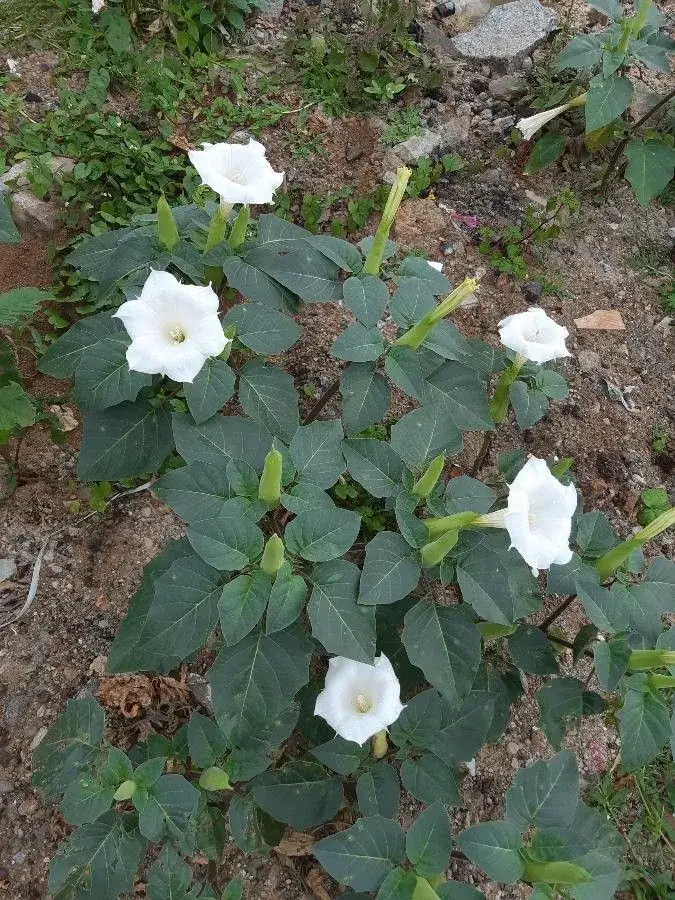
Treatment for Datura Stramonium Poisoning
Datura stramonium poisoning is a medical emergency that requires immediate attention. If you suspect someone has ingested Datura, it is critical to seek emergency medical assistance right away. Treatment typically involves:
Activated charcoal: Given early to absorb any remaining toxins in the gastrointestinal tract.
Supportive care: Patients may need intravenous fluids, sedatives, and monitoring of heart rate and breathing.
Physostigmine: In severe cases, this antidote may be administered to reverse the effects of anticholinergic toxicity.
Without prompt medical intervention, Datura poisoning can be life-threatening.