
Young Girl Vomits Live Worms for Over a Month — The Cause Turns Out to Be a Common Household Item
This Common Household Item Could Make You Seriously Sick
Health 18/04/2026 00:37
Hearing strange sounds in your ears—such as ringing, buzzing, hissing, or even clicking—can be unsettling. This condition, commonly known as tinnitus, affects millions of people worldwide. While it is often harmless and temporary, in some cases it may signal an underlying health issue that should not be ignored. Understanding the causes and warning signs can help you take the right steps to protect your hearing and overall health.
Tinnitus is not a disease itself but a symptom. It occurs when the brain perceives sound without an external source. For some people, the noise is faint and occasional. For others, it can be persistent and disruptive, interfering with sleep, concentration, and daily activities. The intensity and type of sound can vary widely from person to person.


 5
5
One of the most common causes of tinnitus is exposure to loud noise. Listening to music at high volumes, working in noisy environments, or sudden loud sounds can damage the delicate hair cells in the inner ear. Once damaged, these cells cannot regenerate, which may lead to long-term hearing issues.
Another frequent cause is earwax buildup. While earwax is a natural protective substance, excessive accumulation can block the ear canal and alter hearing perception. Infections, such as middle ear infections or sinus issues, may also lead to temporary ringing or pressure in the ears.
In some cases, tinnitus is linked to underlying health conditions. High blood pressure, poor circulation, and even stress or anxiety can contribute to the sensation of noise in the ears. Certain medications, including some antibiotics and anti-inflammatory drugs, may also trigger or worsen symptoms.


So when should you be concerned? If the sounds persist for more than a few days, worsen over time, or are accompanied by symptoms such as dizziness, hearing loss, or severe headaches, it is important to consult a healthcare professional. Early evaluation can help identify the cause and prevent potential complications.
Managing tinnitus often involves addressing its root cause. Reducing exposure to loud noise, maintaining good ear hygiene, and managing stress can make a significant difference. In some cases, doctors may recommend hearing aids, sound therapy, or medications to help reduce symptoms.
Lifestyle adjustments also play a key role. Regular exercise improves blood circulation, which supports ear health. A balanced diet rich in vitamins and minerals can strengthen the body’s natural defenses. Limiting caffeine and alcohol intake may also help reduce the intensity of tinnitus in some individuals.
In conclusion, hearing strange sounds in your ears is a common experience, but it should not be ignored if it becomes persistent or severe. While many cases are harmless, others may indicate underlying issues that require attention. By understanding the causes and taking proactive steps, you can protect your hearing and maintain your overall well-being.
This Common Household Item Could Make You Seriously Sick

A Hidden Virus in Seafood Could Cost You Your Sight

You’ve Heard the Myth—But Here’s the Real Truth About Apples

Don’t Dismiss These Small Changes—They Might Matter More Than You Think

Healthy Liver Diet: 10 Foods Worth Adding to Your Meals

10 Things Your Body May Be Telling You About Artery Health
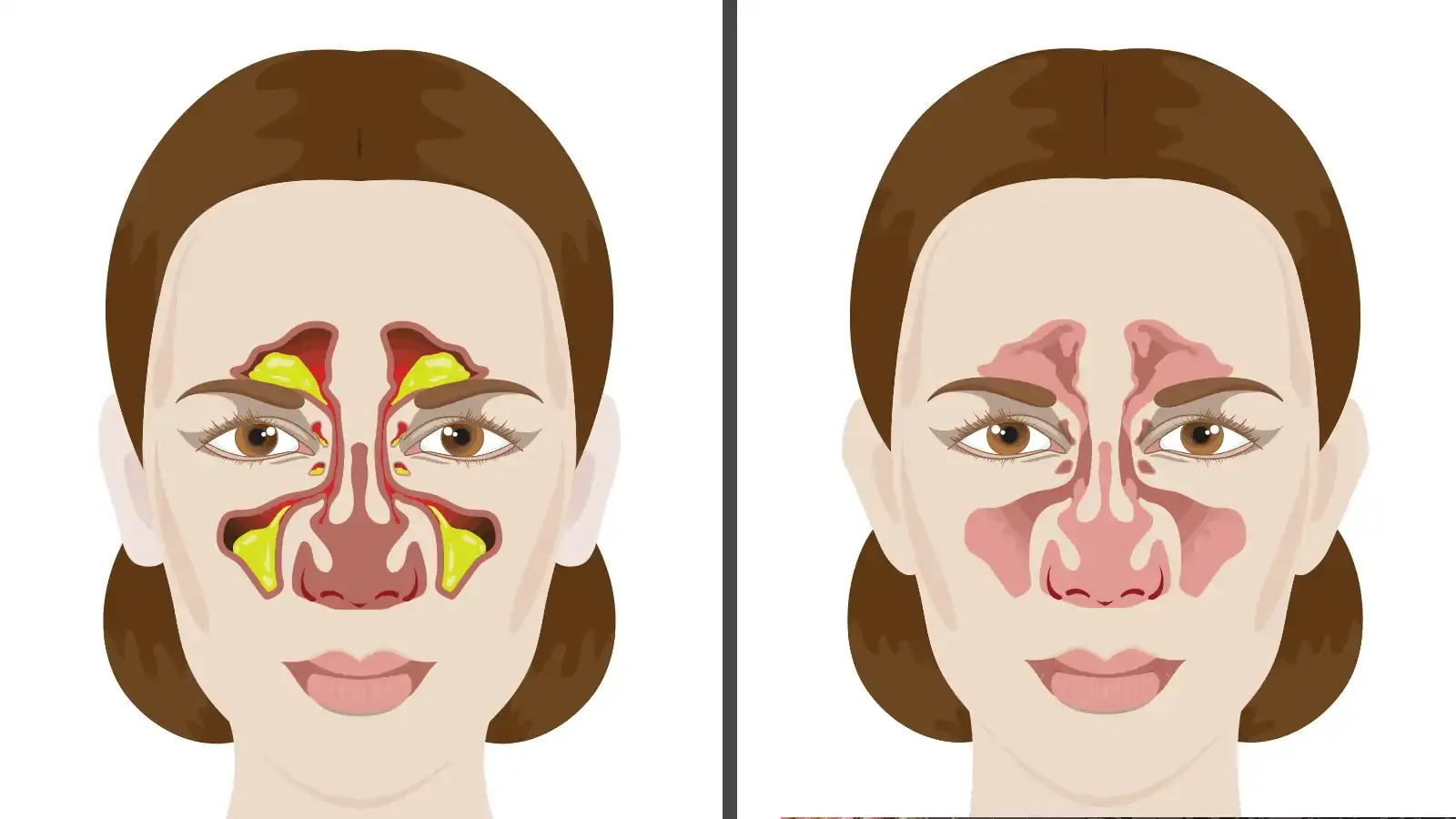
Feeling Congested All the Time? These Tips Might Change Everything

9 Common Foods to Be Careful With If You Have Hypothyroidism

Stop Eating Ginger If You Have Any of These 5 Health Problems

Can onions lower uric acid? Learn the truth and key diet risks.

Tiny seeds pack powerful nutrients that support whole-body health.

Doctors share surprising insights about cashew consumption

Thinking lemon water would help his blood pressure, a 70-year-old man drank

At What Battery Level Should You Charge Your Phone to Protect the Battery?
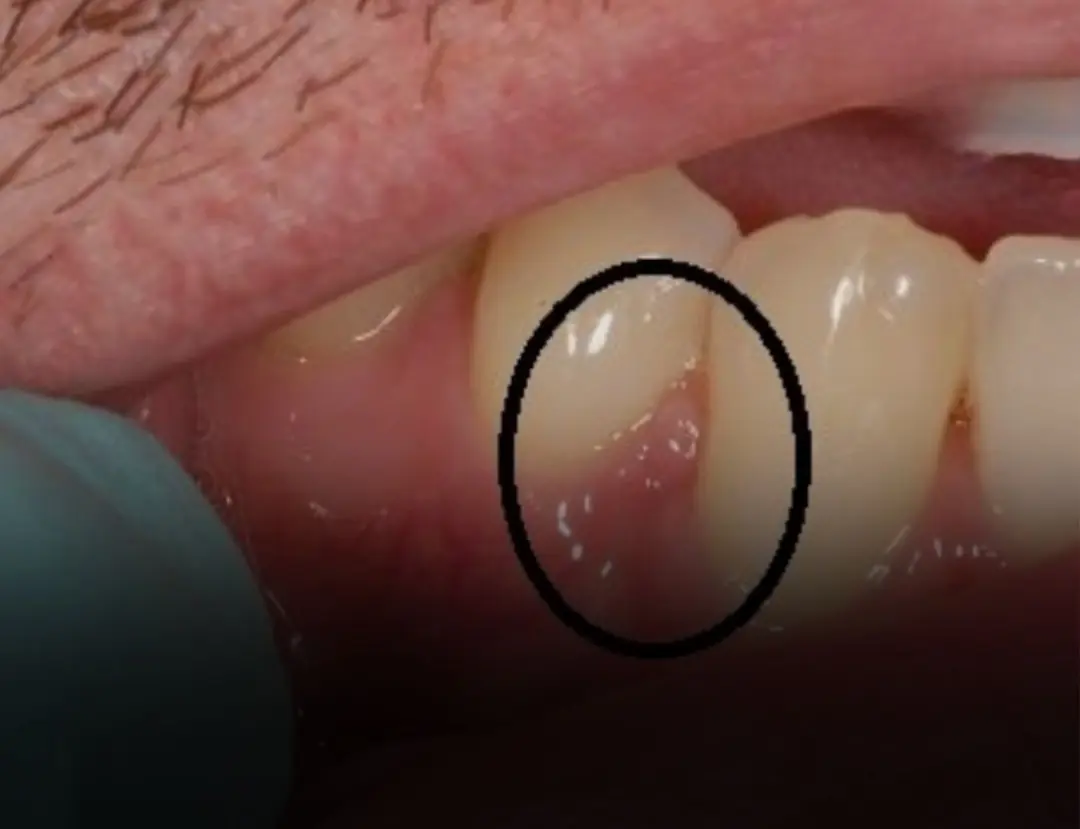
These are the initial symptoms of.

5 Foot Symptoms You Shouldn’t Ignore — They May Be Linked to Kidney Health
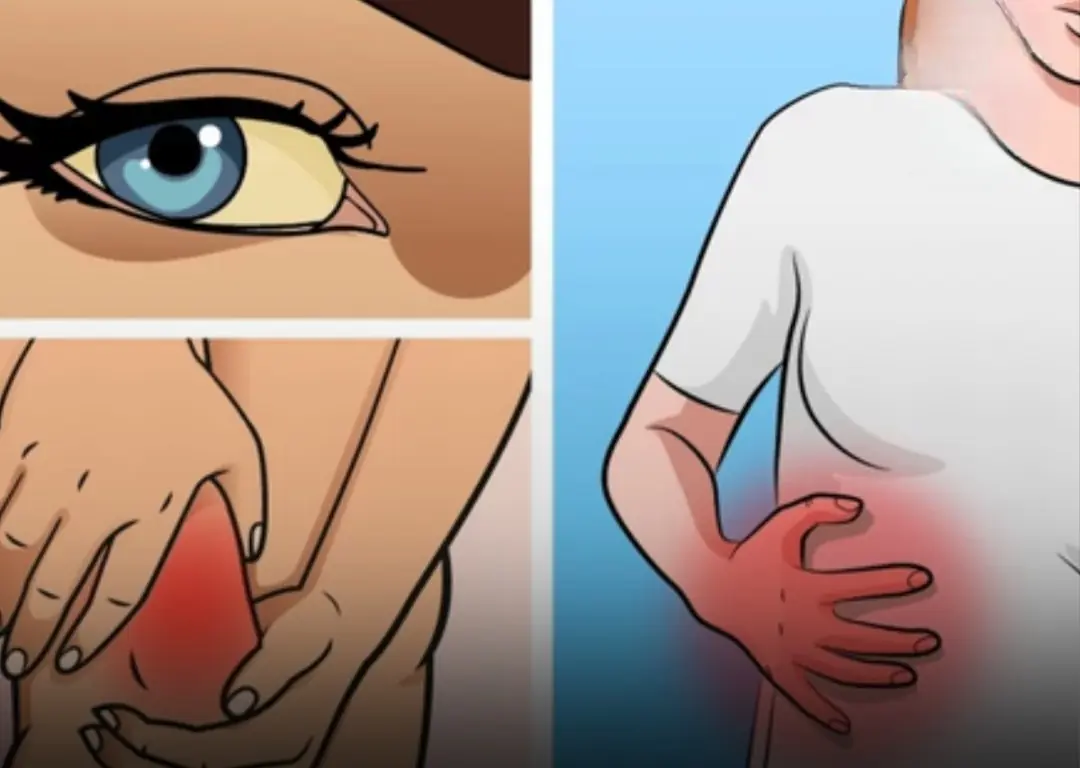
A month before a stroke, your body warns you: 10 signs not to ignore

If Your Legs Cramp at Night, You Need to Know This Immediately
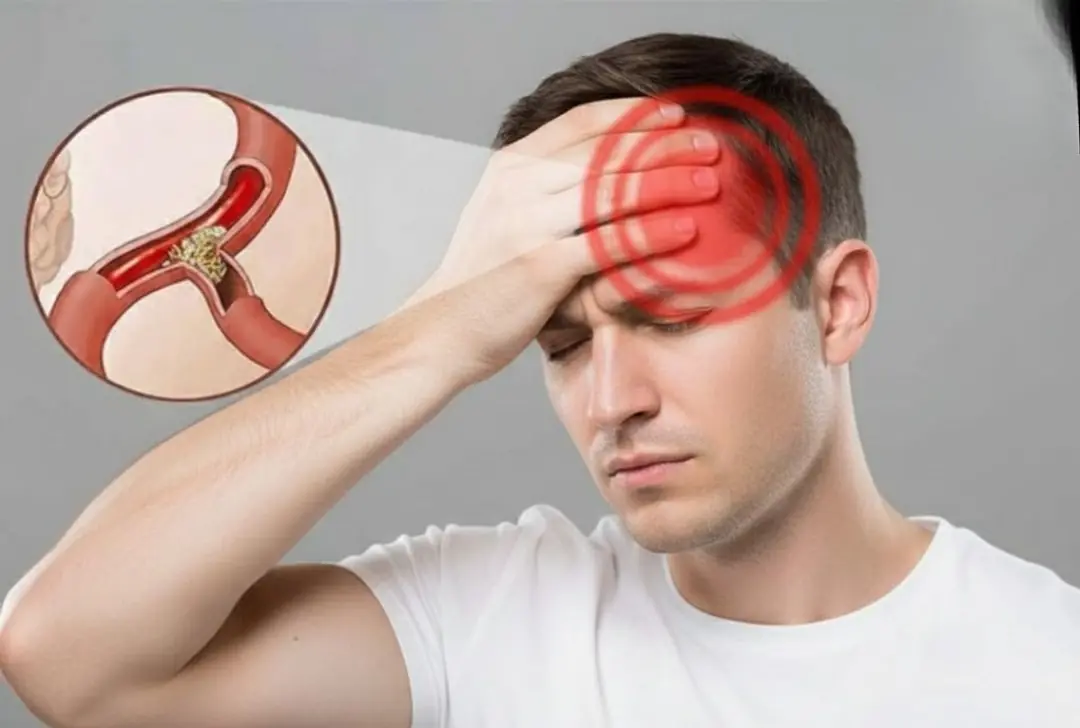
What Happens After Cerebral Ischemia? 5 Complications You Should Know
This Common Household Item Could Make You Seriously Sick
A Hidden Virus in Seafood Could Cost You Your Sight
You’ve Heard the Myth—But Here’s the Real Truth About Apples
Don’t Dismiss These Small Changes—They Might Matter More Than You Think
Healthy Liver Diet: 10 Foods Worth Adding to Your Meals
10 Things Your Body May Be Telling You About Artery Health
Feeling Congested All the Time? These Tips Might Change Everything
9 Common Foods to Be Careful With If You Have Hypothyroidism
Stop Eating Ginger If You Have Any of These 5 Health Problems
Can onions lower uric acid? Learn the truth and key diet risks.

Love Coffee? Here’s What Daily Consumption Does to Your Cholesterol
Tiny seeds pack powerful nutrients that support whole-body health.
Doctors share surprising insights about cashew consumption
Thinking lemon water would help his blood pressure, a 70-year-old man drank
At What Battery Level Should You Charge Your Phone to Protect the Battery?
These are the initial symptoms of.
5 Foot Symptoms You Shouldn’t Ignore — They May Be Linked to Kidney Health
A month before a stroke, your body warns you: 10 signs not to ignore
If Your Legs Cramp at Night, You Need to Know This Immediately