High cholesterol is one of those health problems that can develop quietly.
You may feel perfectly healthy. You may exercise regularly, eat reasonably well, and have no obvious warning signs. Yet your cholesterol levels could still be higher than recommended.
That is why high cholesterol is often described as a “silent” condition.
Unlike an infection or an injury, elevated cholesterol usually doesn't cause a noticeable sensation. There is typically no pain, fever, dizziness, or other reliable symptom that tells you your cholesterol is high.
Instead, the problem may become apparent only through a blood test or after cholesterol has contributed to the development of cardiovascular disease.
Understanding this distinction is important because high cholesterol is common, manageable, and one of several risk factors that can contribute to heart and blood-vessel disease.
What Exactly Is Cholesterol?
Cholesterol is often described as something harmful, but your body actually needs it.
Cholesterol is a waxy, fat-like substance involved in important functions such as:
-
Building cell membranes
-
Producing certain hormones
-
Making vitamin D
-
Producing bile acids that help digest fats
Your liver makes cholesterol, and you also obtain some cholesterol from animal-based foods.
Because cholesterol doesn't dissolve in blood, it travels through the bloodstream attached to proteins called lipoproteins.
This is where the terminology becomes important.
LDL and HDL: Why the Numbers Matter
You may have heard LDL called “bad cholesterol” and HDL called “good cholesterol.”
These labels are useful as a basic introduction, but the biology is more complicated.
LDL cholesterol
Low-density lipoprotein, or LDL, carries cholesterol through the bloodstream.
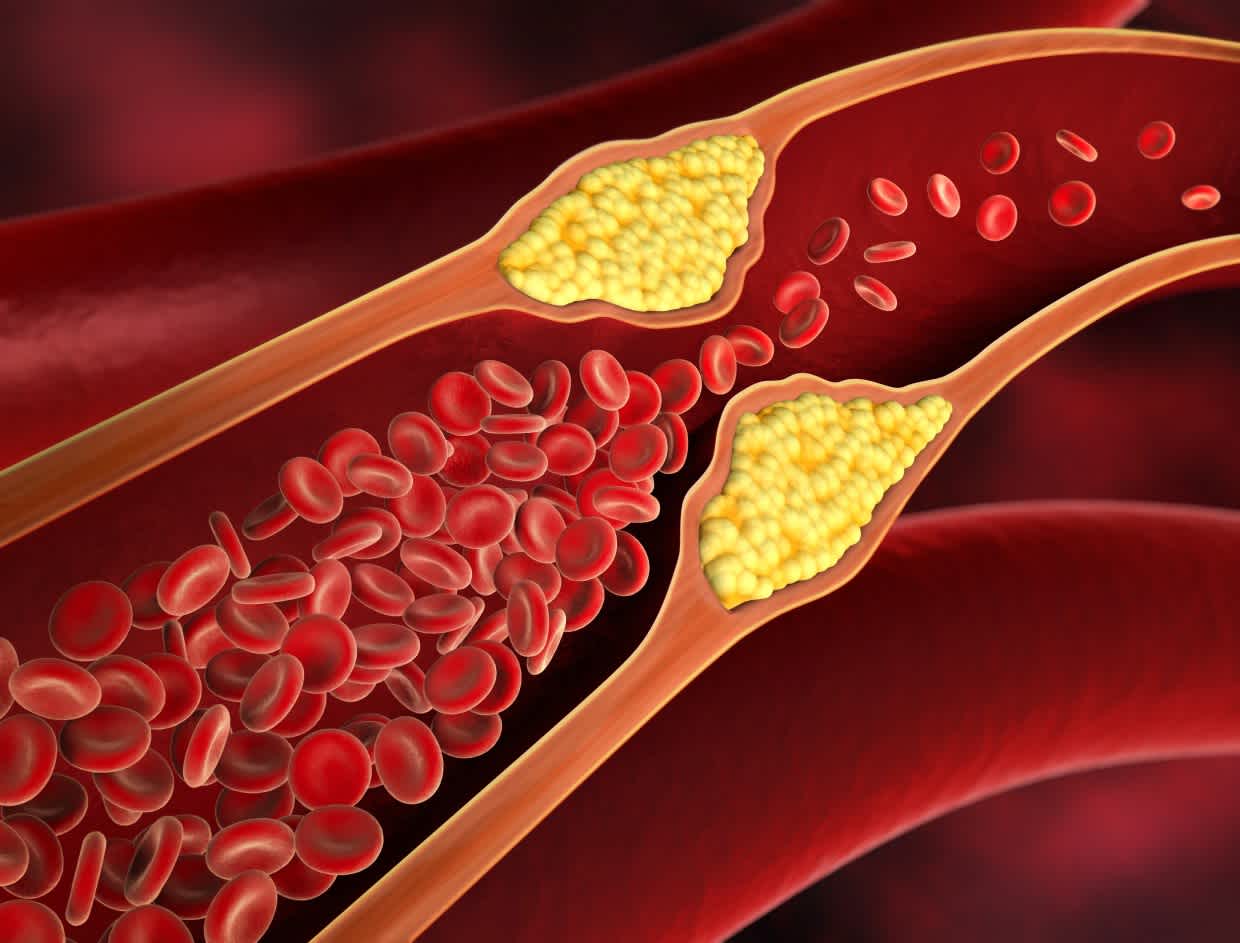
When LDL levels are elevated, cholesterol can contribute to the buildup of fatty deposits inside artery walls.
Over time, this process can contribute to atherosclerosis, which can narrow or stiffen arteries.
Higher LDL is an important risk factor for cardiovascular disease.
HDL cholesterol
High-density lipoprotein, or HDL, helps transport cholesterol away from tissues toward the liver.
Historically, high HDL was often assumed to be automatically protective.
However, cardiovascular risk isn't determined by HDL alone. Modern medical assessment considers the entire lipid profile and the person's overall risk factors.
That's why you shouldn't judge your heart health based on a single cholesterol number.
Why High Cholesterol Usually Doesn't Cause Symptoms
This is perhaps the most important point.
You generally cannot feel high cholesterol circulating in your blood.
A person can have elevated LDL cholesterol for years without experiencing any obvious symptoms.
The cholesterol itself doesn't usually cause:
-
Headaches
-
Fatigue
-
Dizziness
-
Chest pain
-
Shortness of breath
-
Stomach pain
If someone has chest pain or shortness of breath, those symptoms shouldn't be assumed to mean “high cholesterol.”
Instead, they may indicate that cardiovascular disease or another medical condition has developed and needs evaluation.
This is why waiting for symptoms isn't a reliable way to detect high cholesterol.
So How Do You Know If Your Cholesterol Is High?
The most reliable way is a blood test called a lipid panel or lipid profile.
Depending on the test, it may measure:
-
Total cholesterol
-
LDL cholesterol
-
HDL cholesterol
-
Triglycerides
Some tests may provide additional measurements or calculated values.
Your healthcare professional can interpret the results in the context of your age, medical history, family history, blood pressure, smoking status, diabetes, and other cardiovascular risk factors.
A number that looks acceptable in isolation may mean something different for someone who already has cardiovascular disease.
Why a Single Cholesterol Number Doesn't Tell the Whole Story
Suppose two people have exactly the same LDL level.
Their overall cardiovascular risk could still be very different.
Why?
Because heart disease risk depends on multiple factors.
These can include:
-
Age
-
Blood pressure
-
Diabetes
-
Smoking
-
Family history
-
Existing cardiovascular disease
-
Kidney disease
-
Weight and metabolic health
-
Physical activity
-
Diet
-
Other lipid measurements
Doctors therefore don't usually make treatment decisions based on total cholesterol alone.
They consider the overall risk profile.
What Happens When LDL Remains High for Years?
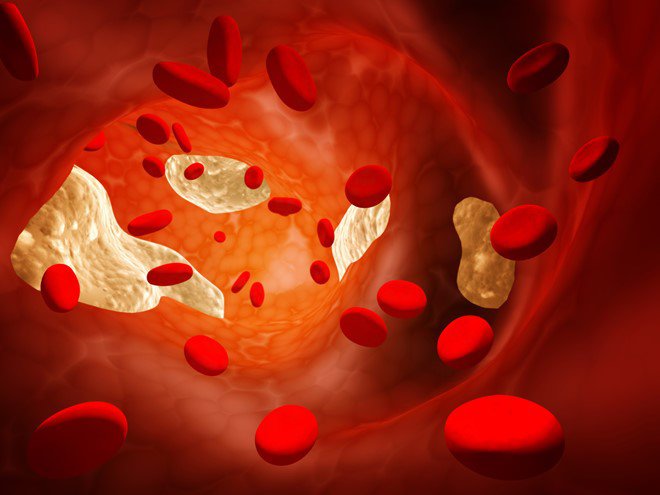
Persistently elevated LDL can contribute to plaque formation in arteries.
The process is gradual.
LDL particles can enter the artery wall, where they participate in an inflammatory process that contributes to plaque development.
Over many years, plaques may become larger or unstable.
This can eventually interfere with blood flow or contribute to the formation of a blood clot.
If an artery supplying the heart becomes severely narrowed or blocked, a heart attack can occur.
If an artery supplying the brain becomes blocked, a stroke can occur.
This is why high cholesterol matters even when you feel completely normal.
The absence of symptoms doesn't necessarily mean the absence of long-term risk.
High Cholesterol Isn't Only a Problem for Older Adults
It's easy to assume that cholesterol is something you only need to worry about later in life.
That's not always true.
Cholesterol levels can be influenced by:
-
Genetics
-
Diet
-
Physical activity
-
Body weight
-
Certain medical conditions
-
Certain medications
-
Age
Some people inherit conditions such as familial hypercholesterolemia (FH), which can cause very high LDL cholesterol from a young age.
People with a strong family history of early heart disease or very high cholesterol may need earlier evaluation.
This is one reason family medical history is important.
Can Healthy People Have High Cholesterol?
Absolutely.
A person can be physically active and have a healthy body weight while still having elevated LDL cholesterol.
Genetics can play a significant role.
Conversely, someone with an unhealthy diet doesn't necessarily have dramatically high cholesterol.
This is why you shouldn't try to determine your cholesterol level simply by looking at your body or judging your lifestyle.
The blood test tells you far more than appearance does.
What Can Raise Cholesterol?
Several factors can influence cholesterol levels.
Genetics
Some people naturally produce more cholesterol or clear LDL from their bloodstream less efficiently.
Diet
Dietary patterns high in saturated fats can raise LDL cholesterol in many people.
Foods that can contribute significant saturated fat include certain fatty meats, butter, full-fat dairy products, and some processed foods.
The effect varies among individuals.
Physical inactivity
Regular physical activity is associated with better cardiovascular health and can improve several metabolic risk factors.
Excess body weight
Carrying excess body fat can be associated with an unfavorable lipid profile and other cardiovascular risk factors.
Smoking
Smoking damages blood vessels and substantially increases cardiovascular risk. It can also negatively affect HDL cholesterol.
Certain medical conditions
Conditions such as diabetes, hypothyroidism, kidney disease, and some liver disorders can affect lipid levels.
Certain medications
Some medications can alter cholesterol or triglyceride levels.
Can You Lower Cholesterol Naturally?
Lifestyle changes can make a meaningful difference for many people.
However, “natural” doesn't mean “always sufficient.”
Some people have cholesterol levels high enough—or cardiovascular risk high enough—that medication is recommended in addition to lifestyle changes.
For others, lifestyle changes may be an important first step.
A heart-healthy lifestyle commonly includes:
Eat more soluble fiber
Foods such as oats, barley, beans, lentils, fruits, and some vegetables provide soluble fiber, which can help lower LDL cholesterol.
Choose healthier fats
Replacing some saturated fats with unsaturated fats can improve LDL levels.
Sources include:
-
Olive oil
-
Nuts
-
Seeds
-
Avocados
-
Fatty fish
Eat more whole plant foods
Vegetables, fruits, legumes, and whole grains provide fiber and a range of nutrients.
Exercise regularly
Walking, cycling, swimming, strength training, and other activities can support cardiovascular health.
Avoid smoking
Stopping smoking is one of the most important steps for reducing cardiovascular risk.
Maintain a healthy weight when appropriate
Even modest weight loss can improve certain metabolic risk factors in people who are overweight.
What About Eggs and Dietary Cholesterol?
This is an area where nutrition advice has changed over time.
For many people, saturated fat has a larger effect on blood LDL cholesterol than dietary cholesterol itself.
That doesn't mean everyone should eat unlimited amounts of eggs or other cholesterol-containing foods.
Individual responses vary, and people with specific medical conditions may receive personalized dietary advice.
Instead of focusing on one food, look at the entire dietary pattern.
An egg served with vegetables and whole grains is part of a very different meal pattern than eggs combined regularly with large amounts of processed meat, refined carbohydrates, and saturated fat.
What About Supplements?
The internet is full of products promising to “flush out cholesterol” or naturally clean arteries.
Be skeptical of these claims.
Some supplements may have modest effects on certain cholesterol measurements, but that doesn't mean they have been proven to prevent heart attacks or strokes.
Some can also interact with prescription medications.
For example, certain cholesterol-lowering supplements may affect the liver or interact with other drugs.
If your cholesterol is elevated, discuss treatment options with a healthcare professional rather than replacing proven therapy with an unproven supplement.
When Are Cholesterol-Lowering Medications Used?
Statins are among the best-known cholesterol-lowering medications.
They work primarily by reducing the liver's production of cholesterol and increasing its removal of LDL from the bloodstream.
Other medications may also be appropriate depending on a person's circumstances.
Medication decisions depend on factors such as:
-
LDL level
-
Existing heart or blood-vessel disease
-
Diabetes
-
Overall cardiovascular risk
-
Family history
-
Response to lifestyle changes
-
Other medical conditions
A person who has already had a heart attack may have a very different LDL treatment goal from someone without known cardiovascular disease.
Therefore, don't start or stop cholesterol medication based on a generic number you saw online.
How Often Should You Check Your Cholesterol?
There isn't one schedule that applies to everyone.
Testing frequency depends on your age, health history, previous results, medications, and cardiovascular risk.
Some people may need periodic testing every few years.
Others—particularly those with high cholesterol, diabetes, cardiovascular disease, familial hypercholesterolemia, or cholesterol-lowering treatment—may need more frequent monitoring.
Your healthcare professional can recommend an appropriate schedule.
Warning Signs May Appear Only After Complications Develop
Although high cholesterol itself usually doesn't produce symptoms, the cardiovascular disease associated with long-term cholesterol exposure can.
For example, heart disease may cause:
-
Chest pressure or pain
-
Shortness of breath
-
Unusual fatigue
-
Pain spreading to the arm, back, neck, or jaw
A stroke may cause:
-
Sudden weakness or numbness, especially on one side
-
Sudden difficulty speaking
-
Sudden confusion
-
Sudden vision problems
-
Sudden severe dizziness or loss of coordination
These symptoms require urgent medical attention.
Don't wait for them to “confirm” that you have high cholesterol.
High cholesterol is usually detected before these complications occur.
What About Visible Signs?
You may have seen photographs online showing yellowish deposits around the eyes or unusual bumps on the skin and heard that they indicate high cholesterol.
Certain findings, such as xanthelasma or xanthomas, can be associated with abnormal lipid levels.
But these visible signs aren't present in most people with high cholesterol.
And similar-looking skin changes can have other causes.
A blood test remains the appropriate way to evaluate cholesterol levels.
A Simple Heart-Healthy Approach
You don't have to completely change your life overnight.
Start with realistic habits.
Choose oatmeal or another whole grain instead of a highly refined breakfast when practical.
Add beans or lentils to meals.
Eat vegetables and fruit regularly.
Choose fish, nuts, seeds, and unsaturated fats more often.
Limit foods high in saturated fat and highly processed foods.
Move your body consistently.
Don't smoke.
And keep up with recommended health checks.
Small habits repeated for years are generally more meaningful than short-lived extreme diets.
The Most Important Thing to Remember
High cholesterol can be frustrating precisely because it often gives you no warning at all.
You can feel energetic.
You can exercise.
You can look healthy.
And your LDL can still be higher than recommended.
That's why cholesterol screening is important.
Don't wait for chest pain or another serious symptom to find out whether your cholesterol is elevated.
A simple blood test can provide information that you cannot obtain from how you feel.
And if your cholesterol is high, there are multiple ways to manage cardiovascular risk - including diet, physical activity, smoking cessation, weight management when appropriate, and medication when indicated.
Final Thoughts
High cholesterol is usually silent, but its long-term effects don't have to be ignored.
The absence of symptoms doesn't mean your cardiovascular risk is zero.
Rather than trying to recognize a mysterious “sign” of high cholesterol, focus on what actually works: appropriate blood testing, understanding your results, knowing your other risk factors, and working with a healthcare professional when treatment is needed.
A healthy lifestyle can support better cholesterol levels and cardiovascular health, but lifestyle changes are not a substitute for medical treatment when medication is indicated.
Most importantly, don't wait until your body gives you a dramatic warning.
Sometimes the most important health information is the information you can't feel and a routine cholesterol test can reveal it long before a serious problem occurs.