
6 sleep patterns commonly found in people who enjoy long, healthy lives
People who live longer often share these 6 sleep habits
Health 08/05/2026 22:38
Coffee is one of the most widely consumed beverages in the world. For many people, it’s more than a drink - it’s part of a daily routine, a source of comfort, and sometimes a much-needed energy boost to start the day.
But what actually happens inside the body when coffee becomes a daily habit?
The answer is surprisingly complex. Coffee contains hundreds of biologically active compounds, including caffeine and antioxidants, which can affect the brain, heart, metabolism, sleep, and even mood. Depending on the amount consumed and individual sensitivity, daily coffee drinking may bring both benefits and drawbacks over time.

Coffee contains:
Caffeine is the main stimulant responsible for coffee’s energizing effects.
One of the most immediate effects of coffee is improved wakefulness.
Caffeine blocks adenosine, a chemical that promotes sleepiness.
This is why many people rely on coffee during work or study.
Coffee stimulates the central nervous system, which may help people feel:
For some individuals, moderate coffee intake may also improve exercise performance.
Coffee’s relationship with the heart is complicated.
However, excessive caffeine may also:
Individual tolerance varies greatly.

One of the most common downsides of daily coffee consumption is poor sleep.
Caffeine can remain in the body for many hours.
Poor sleep may gradually affect:
Coffee may stimulate digestive activity.
Some people notice:
But others may experience:
especially when drinking coffee on an empty stomach.
Coffee is actually one of the largest sources of antioxidants in many people’s diets.
Antioxidants help combat oxidative stress, which is linked to aging and chronic disease.
Caffeine may slightly increase metabolism and fat burning temporarily.
However:
can easily offset these effects.
A heavily sweetened coffee drink may contain more calories than people realize.

Not everyone reacts to caffeine the same way.
Too much coffee may contribute to:
People who are highly caffeine-sensitive may notice symptoms even with small amounts.
Daily caffeine use can lead to dependence.
When regular coffee drinkers suddenly stop, they may experience:
These symptoms are usually temporary.
Research has linked moderate coffee consumption with lower risk of certain conditions, including:
However, researchers still debate how much of this comes from coffee itself versus overall lifestyle patterns.
Moderate intake is generally considered safe for many healthy adults.
Excessive caffeine intake may increase risk of:
Pregnant individuals and people with certain medical conditions may need to limit intake further.
Excess sugar changes the health profile significantly.
Especially in the afternoon or evening.
Coffee has mild diuretic effects in some people.
Some people tolerate coffee well; others do not.
Coffee itself is rarely the whole story.
Its effects depend on:
For one person, coffee may improve productivity and mood. For another, it may worsen anxiety and sleep.

Drinking coffee every day may influence the body in many ways:
But it may also contribute to:
The key is moderation, timing, and paying attention to how your own body responds.
Because coffee isn’t inherently “good” or “bad” - its impact depends largely on how, when, and how much you drink over time.
People who live longer often share these 6 sleep habits

If these 6 symptoms occur after a shower, seek medical attention immediately

Paying attention to your stool may help you recognize certain health issues early

Why some people drink coconut water before eating and the possible benefits it may offer?

Certain sleeping postures may interfere with breathing, posture, and recovery during sleep

Frequent nighttime urination could reveal hidden health risks early.

Some foods may still be usable after the expiration date

Some fruits may not be as liver-friendly as people think - here are 3 to consume in moderation
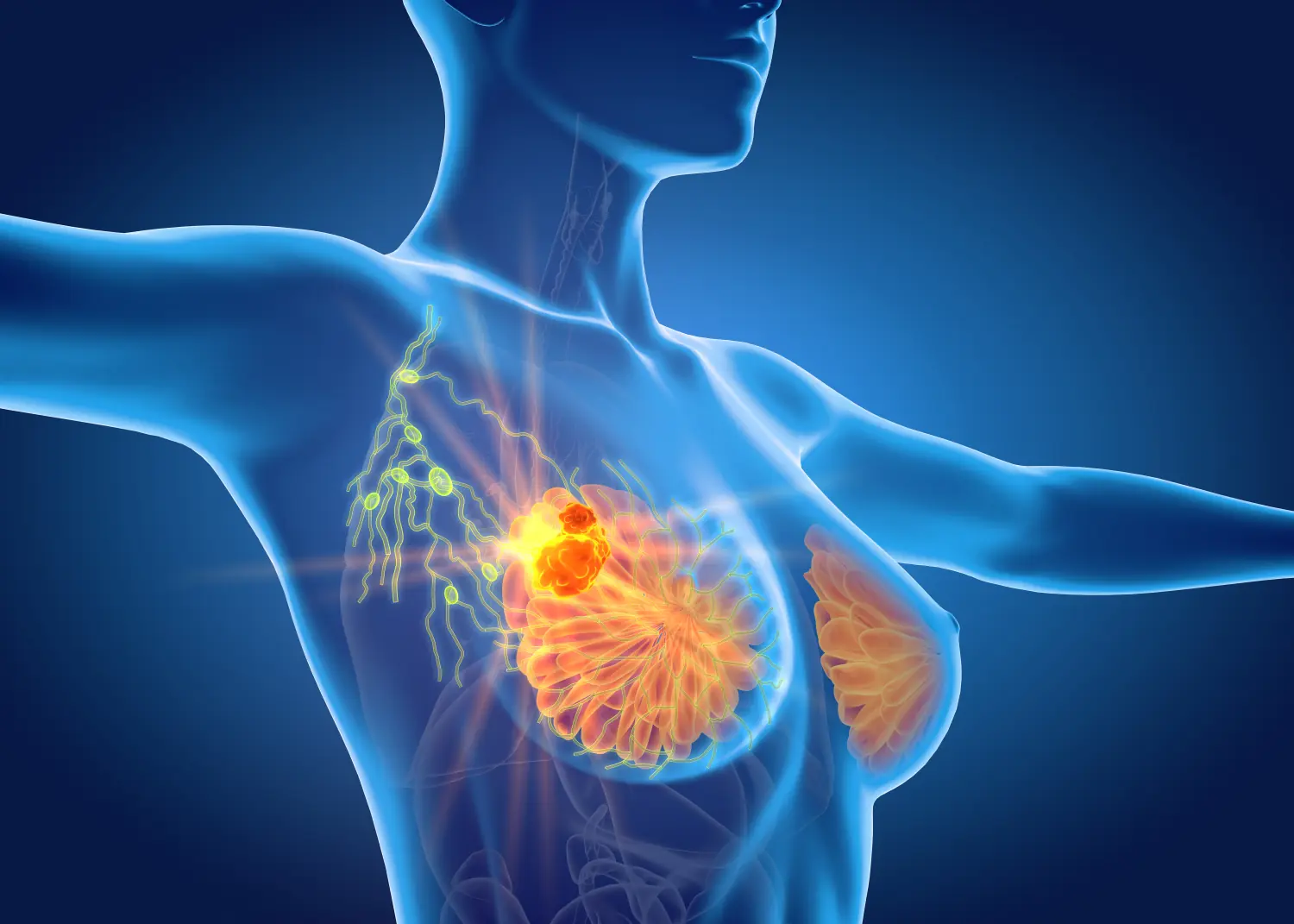
Many people ignore these breast cancer warning signs until it’s too late
5 signs mold exposure may be affecting your lungs

These 5 “golden foods” could help protect your health more than you think

4 Foods That Become More Dang.erous the More You Hate to Throw Them Away

The hidden effects of not drinking enough water on your body and health
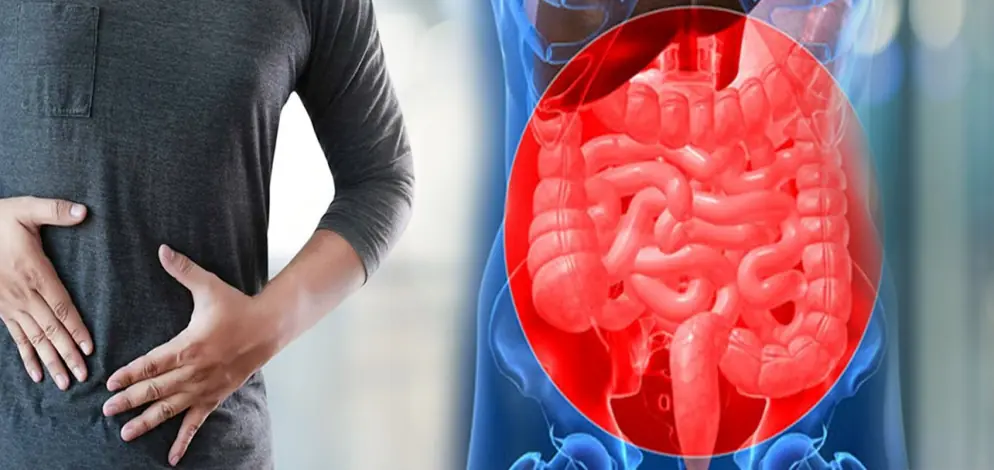
9 possible early warning signs of stomach can.cer that shouldn’t be ignored

10 health benefits of including sweet potatoes in your regular diet

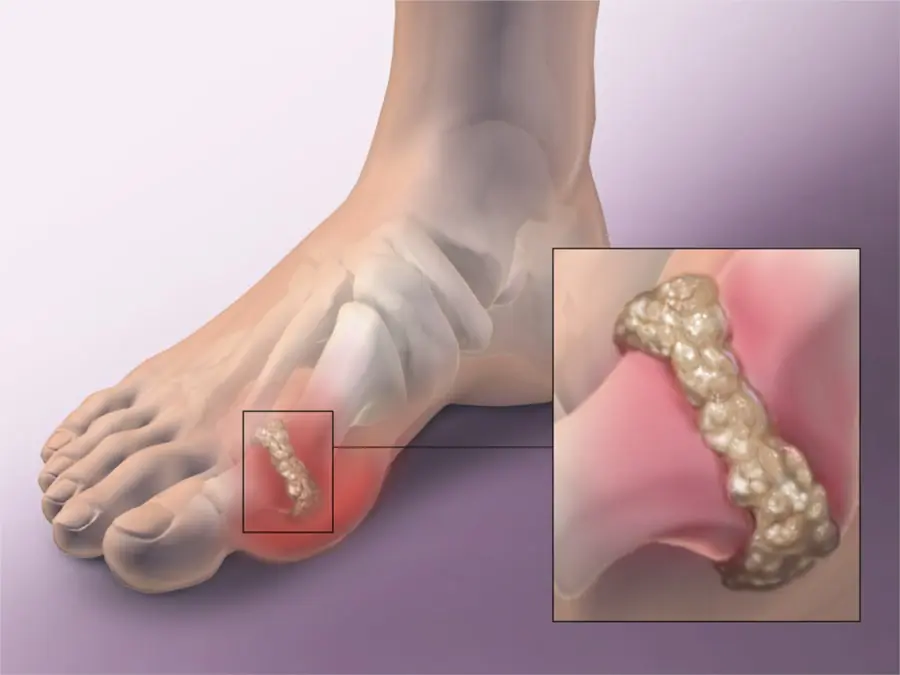
These Popular Foods May Increase Uric Acid and Trigger Gout Pain ⚠️
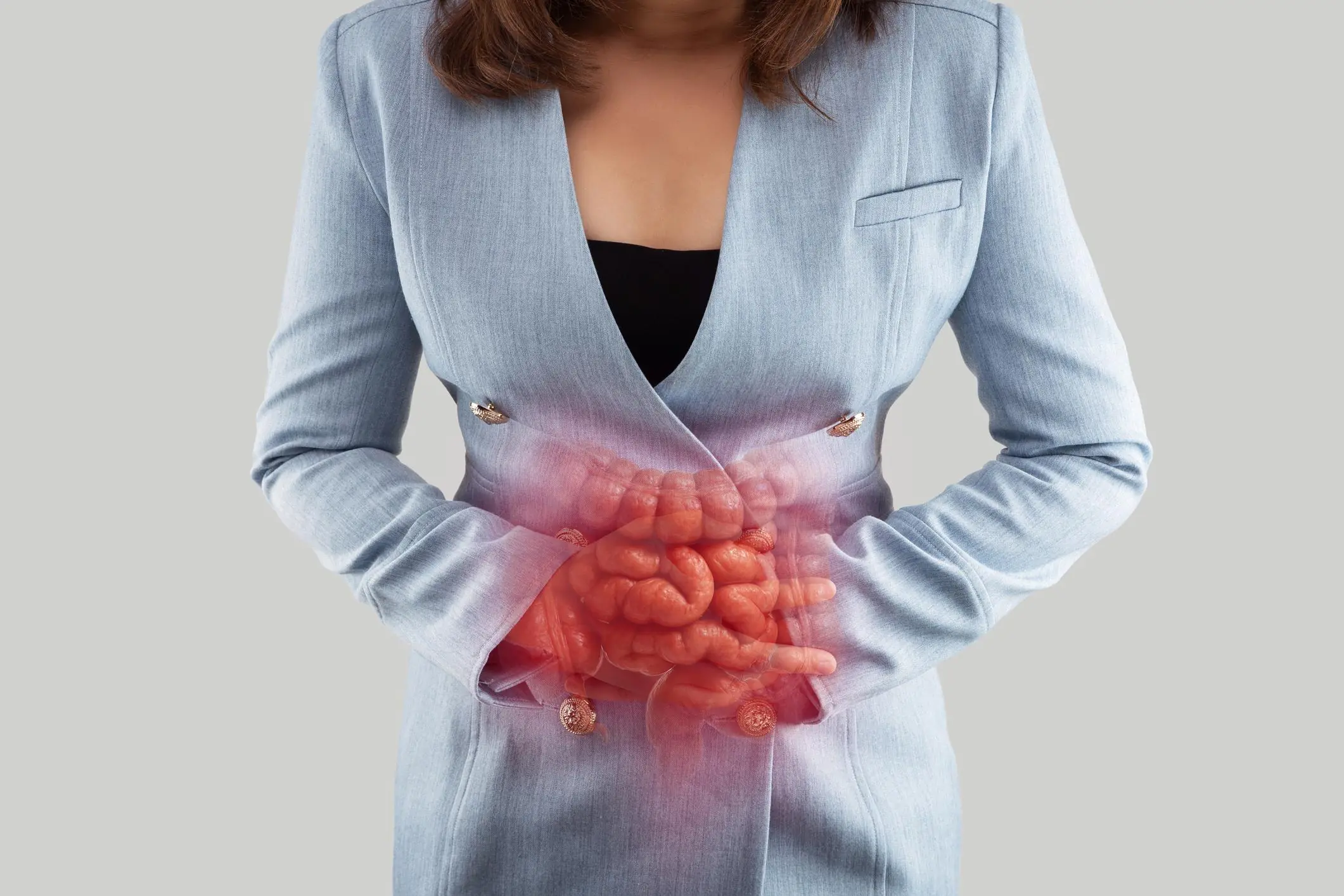
Fatty liver explained: common signs, possible causes, treatment options, and home care tips

Doctors Say Some People May Experience Health Problems from Eating Too Much Cabbage
People who live longer often share these 6 sleep habits
If these 6 symptoms occur after a shower, seek medical attention immediately
Paying attention to your stool may help you recognize certain health issues early
Why some people drink coconut water before eating and the possible benefits it may offer?
Certain sleeping postures may interfere with breathing, posture, and recovery during sleep
Frequent nighttime urination could reveal hidden health risks early.
Some foods may still be usable after the expiration date
Some fruits may not be as liver-friendly as people think - here are 3 to consume in moderation
Many people ignore these breast cancer warning signs until it’s too late
5 signs mold exposure may be affecting your lungs
These 5 “golden foods” could help protect your health more than you think
4 Foods That Become More Dang.erous the More You Hate to Throw Them Away
The hidden effects of not drinking enough water on your body and health
9 possible early warning signs of stomach can.cer that shouldn’t be ignored
10 health benefits of including sweet potatoes in your regular diet
These Popular Foods May Increase Uric Acid and Trigger Gout Pain ⚠️
Fatty liver explained: common signs, possible causes, treatment options, and home care tips
Doctors Say Some People May Experience Health Problems from Eating Too Much Cabbage