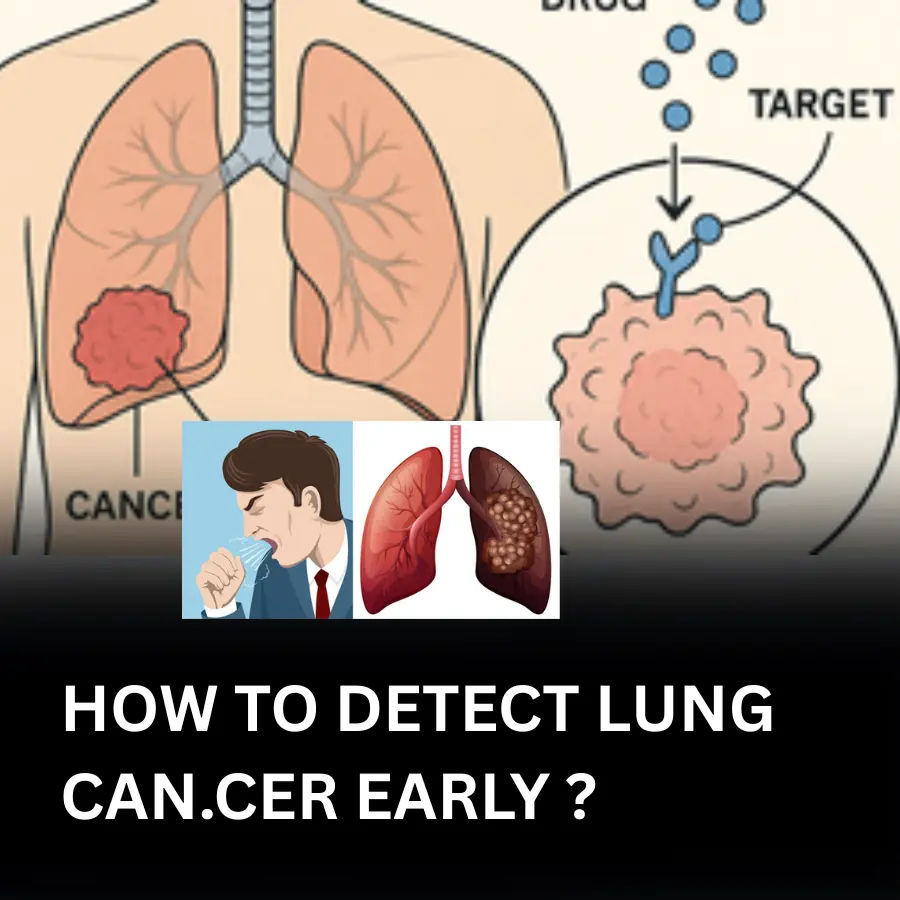
Many patients whose cancer is detected at an early stage and receive timely treatment have a chance of living healthy for more than 5 years, with survival rates reaching over 90%.
Early Detection of Lung Cancer Without Symptoms
A 52-year-old male patient discovered early-stage lung cancer during a routine health check-up and underwent curative lobectomy.
The patient had a history of hypertension, lipid disorders, and a long-term smoking habit, which he had quit about a month before the check-up. At admission, he reported feeling healthy, with no shortness of breath or chest pain. He visited Tam Anh General Clinic, District 7 (Ho Chi Minh City) for a routine examination.
CT scans revealed a few small nodules in the right lung and scattered ground-glass lesions in the left lung. Subsequent tests confirmed a malignant tumor in the right lung.
After multidisciplinary consultation, thoracic and vascular surgeons performed a minimally invasive right middle lobectomy and mediastinal lymph node dissection.
Pathology results showed mixed invasive adenocarcinoma, grade II, with a tumor size of 2 cm. Additionally, 3 out of 10 removed lymph nodes were metastatic.
Causes of Lung Cancer
There are multiple causes of lung cancer, with tobacco smoking being the primary factor, accounting for about 90% of cases. Smokers have approximately 20 times higher risk of developing lung cancer than non-smokers. Individuals with genetic predisposition are even more susceptible if they smoke. Avoiding tobacco significantly reduces the risk of lung cancer.
Other causes include exposure to radiation and carcinogenic chemicals in polluted environments.
Symptoms of Lung Cancer
Early-stage lung cancer usually does not show clear symptoms. As the disease progresses, patients may experience:
-
Cough (dry, productive, or blood-streaked)
-
Chest pain, shortness of breath, hoarseness
-
Weight loss, body aches
Other possible signs include facial, neck, and chest swelling if major thoracic veins are compressed.
If the tumor is at the apex of the lung, symptoms may include pain in the arm, shoulder, and neck.
In late stages, when cancer spreads to bones, liver, or brain, patients may experience:
-
Bone pain, spinal pain (bone metastases)
-
Abdominal pain (liver metastases)
-
Headache, confusion, drooping eyelids, blurred vision, limb weakness (brain metastases)
These symptoms can also result from other conditions, but their presence warrants prompt medical evaluation.
Diagnosis of Lung Cancer
-
Chest X-ray: Provides a 2D image to detect basic lung lesions.
-
Chest CT scan: Creates a 3D image to determine the location and size of lesions accurately.
-
PET-Scan: Combines radioactive tracers with CT; cancer cells absorb more tracer, highlighting tumors.
-
Bronchoscopy: Can include biopsy if a tumor is observed inside the bronchi.
-
Percutaneous needle biopsy: Used when bronchoscopy is not feasible; a large needle guided by CT takes tissue samples for histopathology to confirm diagnosis.
Although early detection improves treatment success, many cases are still diagnosed at advanced stages, mainly due to low rates of routine health check-ups. Most people visit hospitals only when symptoms become severe and unmanageable at home. Early signs of lung cancer are subtle and often mistaken for common respiratory illnesses.
Therefore, if you notice suspicious symptoms, visit a major hospital or specialized medical facility for timely examination and testing. Regular screening is the key to early detection and effective treatment of lung cancer.