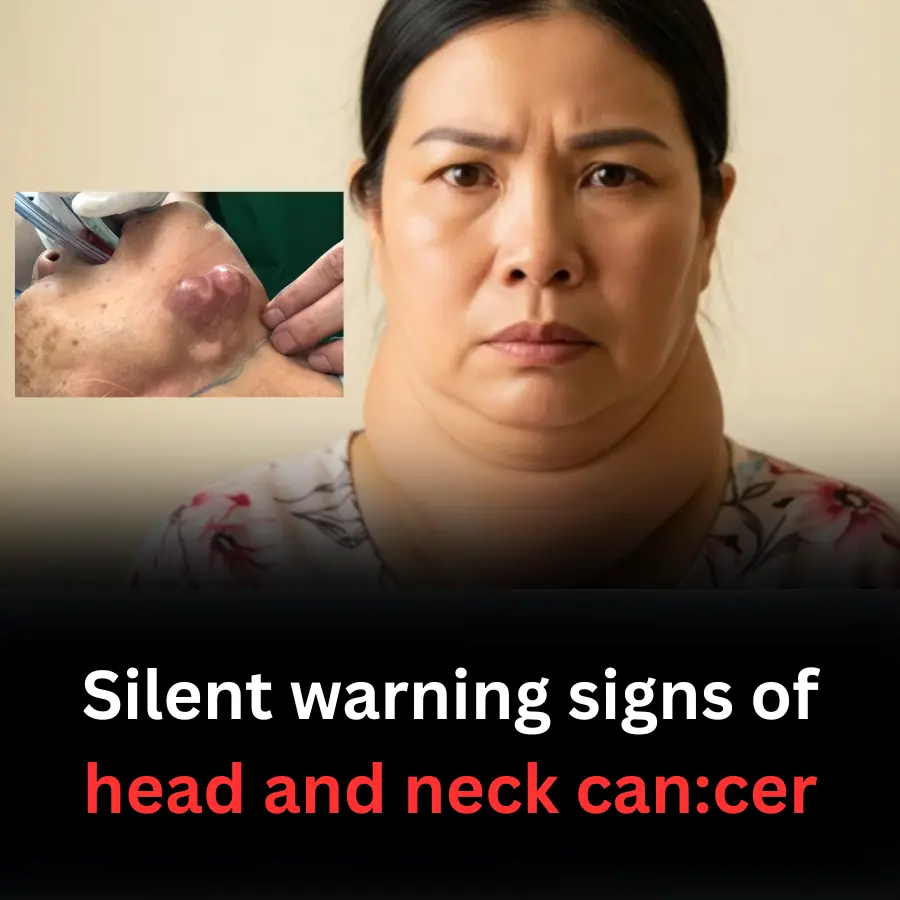
Head and Neck Cancer
Head and neck cancer is a general term for cancers originating in the oral cavity, pharynx, larynx, nasal cavity, sinuses, and salivary glands. According to the World Health Organization (WHO), head and neck cancers are among the top 10 most common cancers worldwide. However, they are often detected late because early symptoms can be easily mistaken for benign conditions.
Early Warning Signs Often Overlooked
Early signs of head and neck cancer are often subtle, including:
-
Persistent hoarseness: Hoarseness lasting more than 3 weeks without improvement, especially in smokers or alcohol users, may indicate laryngeal cancer.
-
Difficulty or painful swallowing, sensation of obstruction: Common in nasopharyngeal, tonsillar, or hypopharyngeal cancers.
-
Persistent unilateral ear pain: Pain radiating to the ear without ear lesions can indicate nerve spread from a tumor in the pharyngeal region.
-
Non-healing mouth ulcers: Ulcers lasting more than 2 weeks and unresponsive to standard treatment may signal oral cavity cancer.
-
Neck lumps: Large, firm, painless, non-mobile lymph nodes often indicate metastatic spread.
-
Nosebleeds or persistent nasal obstruction on one side: May be related to nasal cavity or nasopharyngeal cancer.
Causes and Main Risk Factors
Key risk factors for head and neck cancer include:
-
Smoking: Accounts for up to 75% of cases.
-
Alcohol consumption: Doubles the risk when combined with smoking.
-
HPV infection: Especially type 16, associated with oropharyngeal cancer.
-
EBV infection (Epstein-Barr Virus): Often seen in nasopharyngeal cancer.
-
Exposure to wood dust, industrial chemicals, or polluted environments.
-
Poor oral hygiene and low intake of fresh fruits and vegetables.
When to See a Specialist
If you have any abnormal symptoms in the head and neck region lasting more than 2–3 weeks, especially with neck lumps, consult an ENT or oncology specialist for endoscopy and necessary tests.
Early Detection Methods
Early detection improves treatment outcomes:
-
Routine ENT examinations, especially for individuals over 40 or with risk factors.
-
Endoscopy if any abnormal signs are present.
-
Biopsy of suspicious lesions.
-
CT or MRI to assess tumor spread if lymph nodes or masses are detected.
Prevention
-
Avoid smoking and limit alcohol intake.
-
HPV vaccination for both males and females aged 9–26 years.
-
Maintain good oral hygiene and regular dental check-ups.
-
Eat a healthy diet rich in vegetables and fruits; avoid overly salty or charred foods.
-
Minimize exposure to polluted environments; use protective equipment when working with dust or chemicals.
-
Regular screening and timely medical consultation are the best ways to protect health and survival.