A stroke is one of the most serious medical emergencies, and it can happen suddenly without much warning. However, in many cases, the body sends early signals before a major stroke occurs. One of the most important of these warning events is called a mini-stroke, medically known as a Transient Ischemic Attack (TIA).
A mini-stroke happens when blood flow to a part of the brain is temporarily blocked. Unlike a full stroke, the blockage does not last long and symptoms may disappear within minutes or hours. Because the symptoms are temporary, many people ignore them or assume they are harmless. Unfortunately, this can be dangerous.
Medical experts warn that a mini-stroke is often a critical warning sign that a more serious stroke may happen soon. Recognizing the early symptoms and seeking medical attention quickly can help prevent life-threatening complications.
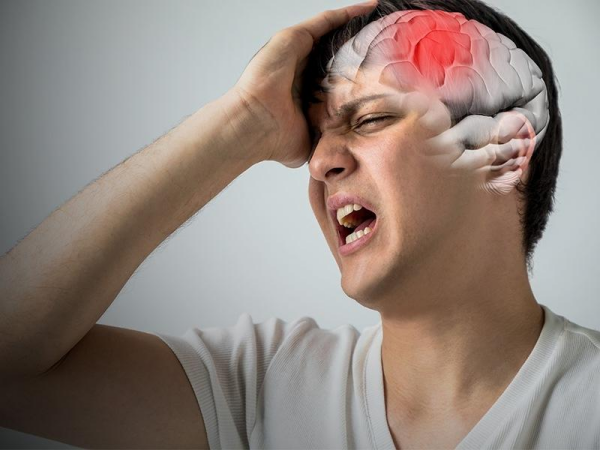
What Exactly Is a Mini-Stroke?
A mini-stroke occurs when the blood supply to the brain is briefly interrupted. The brain needs a constant flow of oxygen and nutrients carried by blood. When this flow is disrupted, brain cells cannot function normally.
In a TIA, the blockage clears before permanent damage occurs. However, the underlying cause—such as a blood clot, narrowed artery, or heart problem—may still remain.
This means that a mini-stroke should always be treated as an urgent medical warning, not something that can be ignored.
Research shows that a significant number of people who experience a mini-stroke may develop a major stroke within days, weeks, or months if proper treatment is not received.
Common Warning Signs of a Mini-Stroke
Mini-stroke symptoms often appear suddenly and may last from a few minutes to several hours. Even if the symptoms disappear quickly, they should always be taken seriously.
Below are some of the most common warning signs.
1. Sudden Weakness or Numbness on One Side of the Body
One of the most noticeable signs of a mini-stroke is sudden weakness or numbness affecting one side of the body.
This may occur in:
-
The face
-
One arm
-
One leg
For example, a person might suddenly find it difficult to lift one arm or may experience numbness in one side of the face.
Because the brain controls movement on opposite sides of the body, a problem in the brain may cause weakness on one side.
2. Facial Drooping
A mini-stroke can affect the muscles of the face.
Signs may include:
-
One side of the face drooping
-
An uneven smile
-
Difficulty controlling facial expressions
If someone tries to smile and one side of the face appears weak or droops downward, it could be a warning sign of a stroke or mini-stroke.
3. Difficulty Speaking or Understanding Speech
Another common symptom is sudden speech difficulty.
A person experiencing a mini-stroke may:
-
Slur their words
-
Speak slowly or unclearly
-
Struggle to form sentences
-
Have trouble understanding what others are saying
These speech problems occur when blood flow is disrupted in areas of the brain responsible for language.
4. Sudden Vision Problems
Vision changes can also occur during a mini-stroke.
Possible symptoms include:
-
Blurred vision
-
Double vision
-
Temporary loss of vision in one eye
-
Difficulty focusing
Sometimes the vision loss occurs suddenly and may last only a short time before returning to normal.
Even brief vision disturbances should be taken seriously.
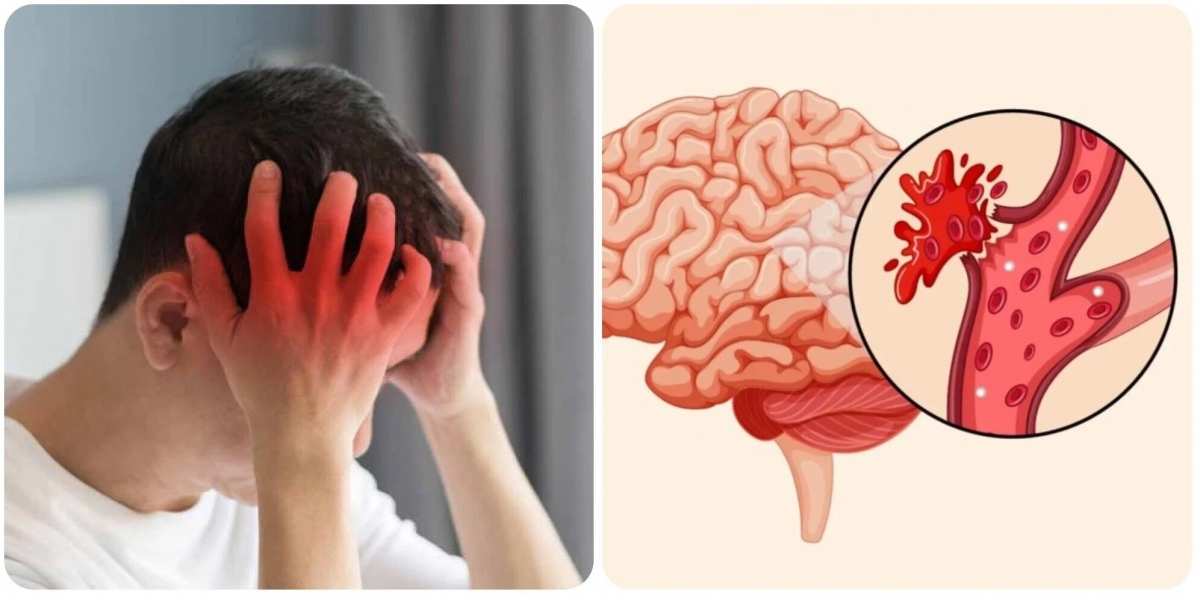
5. Dizziness or Loss of Balance
Some people experience sudden problems with balance or coordination during a mini-stroke.
This may include:
-
Sudden dizziness
-
Difficulty walking
-
Feeling unsteady or off balance
-
Trouble coordinating movements
Because the brain controls balance and movement, interruptions in blood flow can affect these abilities.
6. Sudden Severe Headache
Although not as common, some people may experience an unexpected severe headache during a mini-stroke.
This headache may appear suddenly and feel different from typical headaches.
If a sudden intense headache occurs along with other symptoms such as dizziness or speech problems, it should be treated as a medical emergency.