Reheating leftover rice is a common daily habit in many households around the world. Convenient, economical, and seemingly harmless, cold rice is often stored overnight and reheated the next day without a second thought. However, doctors and food safety experts warn that this routine practice may pose serious health risks if proper precautions are not taken.
The concern does not lie in the reheating process itself, but in how rice is handled before it reaches the plate again. Cooked rice can harbor a bacterium called Bacillus cereus, which is commonly found in soil and raw rice. Unlike many other bacteria, Bacillus cereus can survive the cooking process by forming heat-resistant spores.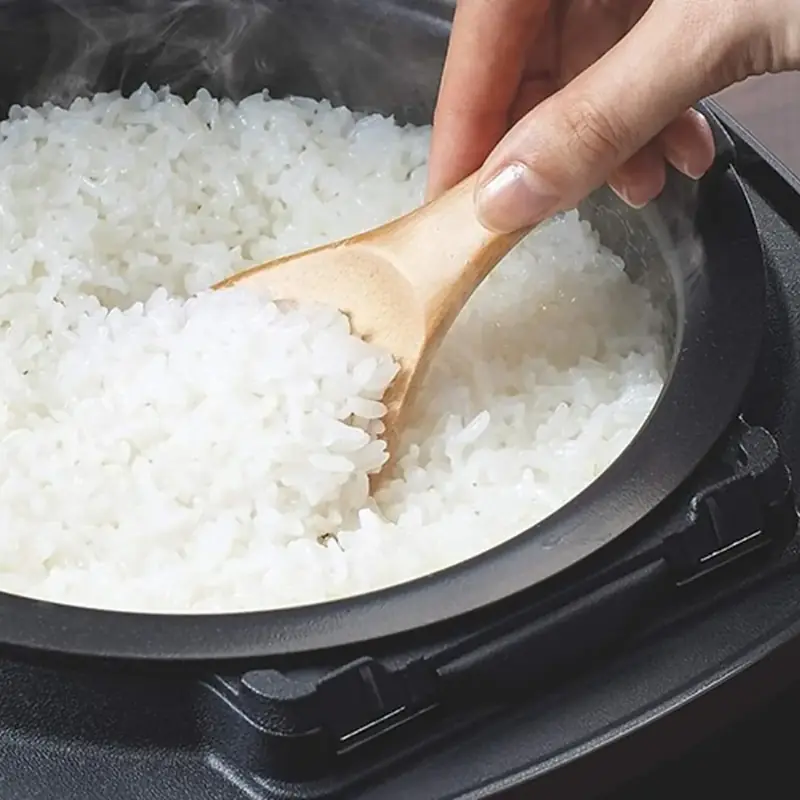
When cooked rice is left at room temperature for too long, these spores can multiply rapidly and produce toxins. What makes these toxins particularly dangerous is that they are not destroyed by reheating. This means that even if the rice is heated until steaming hot, it may still cause food poisoning if toxins have already formed.
According to doctors, symptoms of Bacillus cereus food poisoning can appear within hours. These include nausea, vomiting, abdominal cramps, and diarrhea. While most cases are mild and resolve within a day, severe cases can lead to dehydration and require medical attention, especially in children, elderly individuals, and those with weakened immune systems.
The image accompanying this warning shows a pot of cooked rice alongside microscopic bacteria imagery, emphasizing the invisible danger that may exist in leftover food. Because bacteria and toxins cannot be seen, smelled, or tasted, many people mistakenly believe reheated rice is safe simply because it looks normal.
Health experts stress that the risk is not limited to rice alone, but rice is particularly problematic due to its moisture content and structure, which create an ideal environment for bacterial growth. Improper storage is the most common cause of contamination. Leaving rice out at room temperature for several hours before refrigeration significantly increases the risk.
So, does this mean people should never reheat rice? Doctors clarify that reheating rice can be safe if proper food safety guidelines are followed. Cooked rice should be cooled quickly after cooking and stored in the refrigerator within one to two hours. It should be kept in an airtight container and consumed within 24 hours whenever possible.
When reheating rice, it should be heated thoroughly until it is steaming hot all the way through. Experts also advise reheating rice only once. Repeated cycles of cooling and reheating further increase the risk of bacterial growth and toxin production.
Another common mistake is reheating rice in large portions, which can result in uneven heating. Cold spots within the rice may allow bacteria to survive. Stirring rice during reheating and ensuring even heat distribution can help reduce this risk.
Doctors also warn against reheating rice that has been left out overnight at room temperature. Even if the rice smells fine, it may still be unsafe to eat. In such cases, the safest option is to discard it rather than risk food poisoning.
Food safety authorities emphasize that awareness is key. Many cases of food poisoning linked to rice occur simply because people are unaware of the risks. Education about proper food storage and reheating practices can prevent unnecessary illness.
Ultimately, the message from health experts is not meant to cause fear, but caution. Rice remains a nutritious and essential staple for millions of people worldwide. The danger lies not in the food itself, but in improper handling.
Understanding how bacteria behave and following basic food safety rules can make a significant difference. By storing rice correctly and reheating it safely, people can continue enjoying leftover meals without putting their health at risk.
In a world where convenience often shapes eating habits, this “shocking truth” serves as a reminder: even the most familiar foods deserve careful handling. When it comes to reheating cold rice, knowledge truly is the best protection.