You feel more rested and renewed in the morning after getting a good night’s sleep. However, getting a decent night’s sleep can be challenging if you have many nighttime bathroom breaks.
You might be suffering from nocturia if you wake up more than twice a night to go to the bathroom. Those over 60 are more likely to experience this.
Enuresis, often known as bedwetting, is a similar disorder that is not the same as nighttime urination. The inability to regulate your nighttime urination is known as enuresis. Urinating at night usually causes sleep loss, but it can also be a sign of a more serious illness.
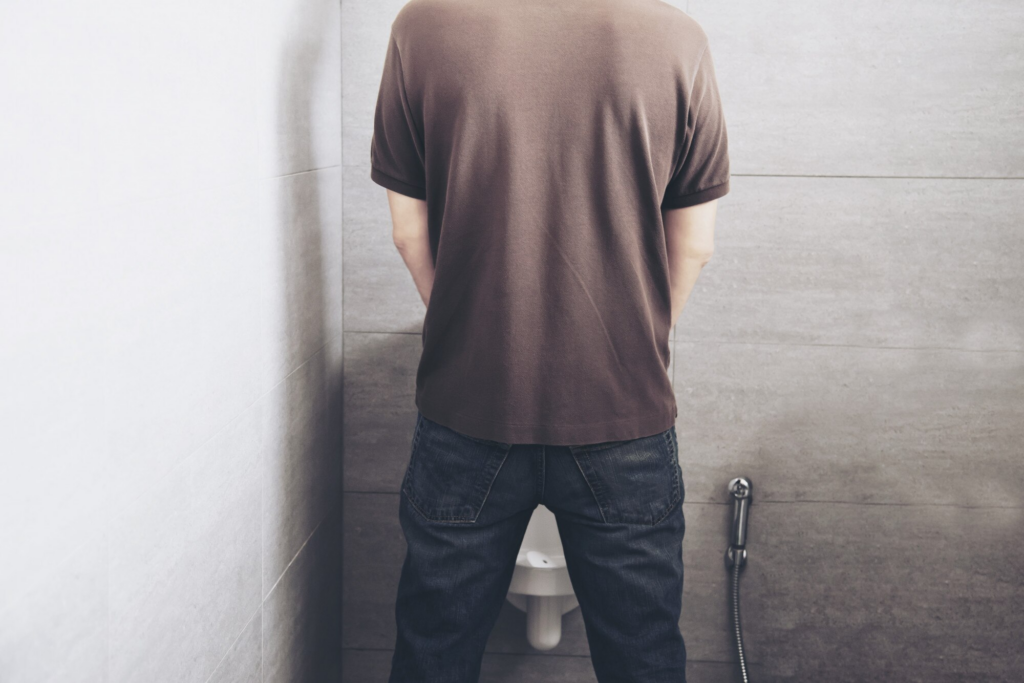
What causes nighttime urination?
A major contributing factor to midnight urination is aging.
The antidiuretic hormone, which aids in fluid retention, is produced less frequently by the body as we age. Urine production rises as a result, particularly at night. Over time, weakening of the bladder’s muscles can also make it harder to hold pee in the bladder.
There are other factors besides aging that contribute to nighttime urination. Chronic UTIs, consuming too much fluids (particularly alcoholic and caffeinated ones) right before bed, bladder infections, and drugs that promote urination (diuretics) are other prevalent causes.
During pregnancy and childbirth, women may have frequent urine. The pelvic floor and bladder muscles may become weaker under these conditions.
Urinating at night might occasionally be a sign of an underlying medical issue. Diabetes, enlarged prostate, congestive heart failure, and chronic renal failure are among the illnesses and disorders linked to frequent urination. Additionally, it could be a sign of sleep disorders such insomnia, restless legs syndrome, or obstructive sleep apnea.
What are the symptoms of nighttime urination?
The majority of people can sleep for six to eight hours straight without having to urinate. On the other hand, urinating at night forces you to wake up multiple times during the night to use the restroom. When this illness is at its worst, you wake up five or six times during the night.
Overproduction of urine, excessive frequency of urination, and the sensation of an urgent need to urinate but insufficient urine production are symptoms of midnight urination.
Urinating at night might be problematic. Regularly using the restroom prevents you from feeling rested. Additionally, older people who urinate at night are more likely to fall and sustain injuries.
How is nighttime urination diagnosed?
After assessing your symptoms and doing a physical examination, your doctor will make the diagnosis of midnight urination. In order to identify possible causes for the disease, they could pose certain questions.
You can be asked how often you wake up in the middle of the night to urinate, how long you’ve been having nighttime urination, and what you usually do before bed.
For instance, evening urination may result from taking diuretics or drinking a lot of fluids before bed.
To find out what’s causing your frequent urination, your doctor could prescribe tests. Urinalysis examines the chemical substances found in urine. Your kidneys’ ability to adequately eliminate waste and water is determined by the concentration of your urine.
A urine culture and post-void residual urine measures are further tests. In order to determine how much urine is left in the bladder after urinating, this test uses a pelvic ultrasound.
If your doctor believes you have an underlying medical condition, they may prescribe more tests. To reach a diagnosis, they could prescribe more testing. Blood sugar, blood urea nitrogen, blood osmolality, creatinine clearance, and serum electrolytes are among these assays.
The kidneys’ level of function can be ascertained by these tests. Additionally, they gauge the levels of specific chemicals in your blood. These tests help identify whether midnight urination is a symptom of diabetes, dehydration, or kidney disease.
What are the treatment options for nighttime urination?
The source of midnight urination frequently determines how to treat it. For instance, you might have too much to drink right before bed. Your doctor may eventually suggest reducing your fluid intake.
The frequency of midnight urination can also be decreased by certain actions. You can feel more refreshed if you take an afternoon sleep.
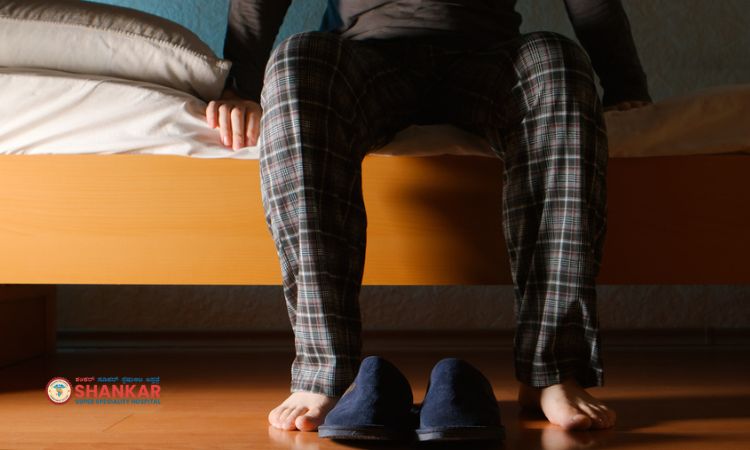
Throughout the day, keep your legs up or put on compression stockings. This promotes fluid circulation and may lessen urinating at night.
Medication
Additionally, medications may lessen urine during night. It’s crucial to remember that while drugs can reduce symptoms, they cannot stop overnight urinating. Your symptoms will reappear once you stop taking them.
Anticholinergics are a class of medications that relax bladder muscular spasms. Additionally, they can lessen the urge for frequent urination.
Certain anticholinergic medications can lessen bedwetting. Nevertheless, these drugs may result in adverse effects like blurred vision, dizziness, and dry mouth.
A diuretic that promotes urine early in the day is advised by some physicians. Your bladder may hold less urine at night as a result of this. Reducing evening urination may also be possible with the use of synthetic antidiuretic hormone.