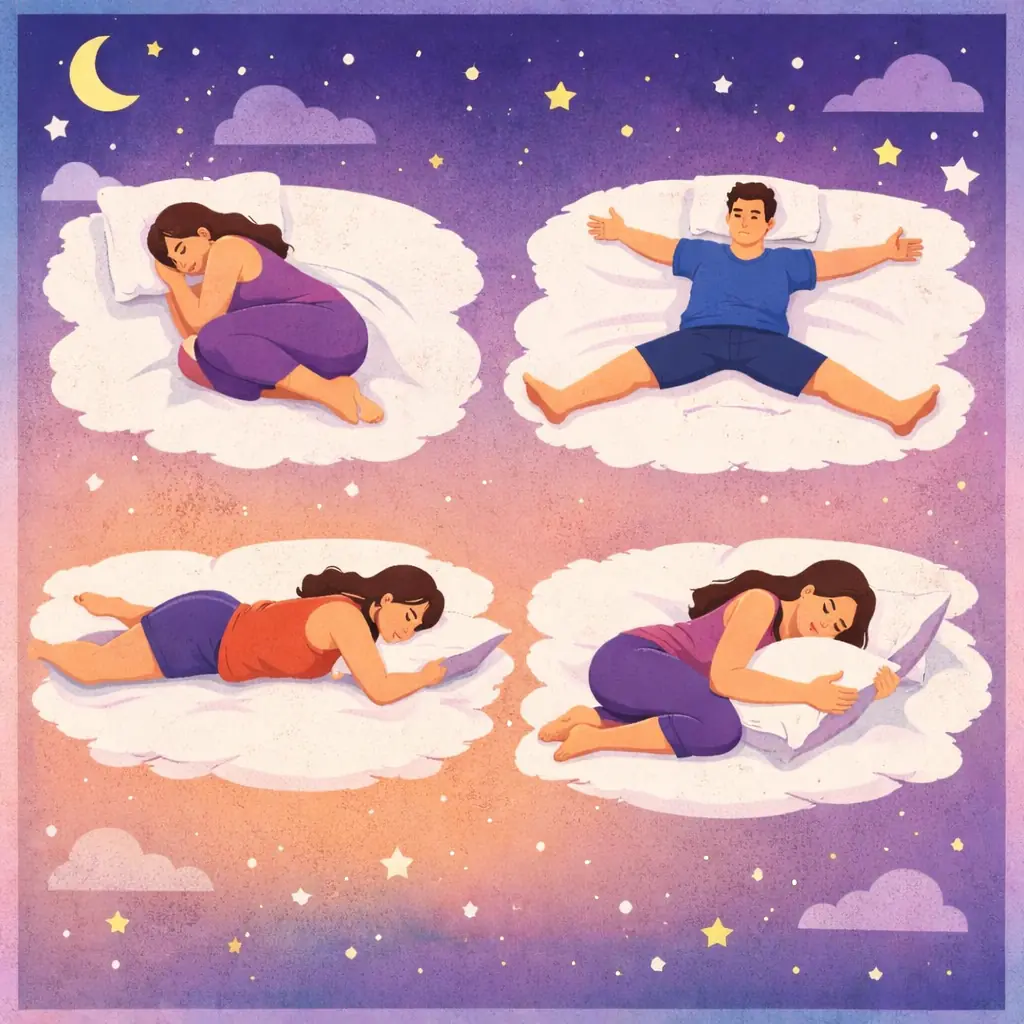
Your Favorite Sleeping Position Exposes Hidden Emotional Needs
Most people think sleep posture is just a matter of comfort. You roll over, close your eyes, and drift off without a second thought. But psychologists and sleep researchers suggest something more unsettling: the way you sleep may quietly reveal emotional needs you don’t consciously acknowledge during the day.
Your body relaxes when you sleep. Defenses drop. Control fades. And in that unguarded state, your posture often mirrors what your mind is craving—security, independence, connection, or emotional protection.
Here’s what your favorite sleeping position may be saying about you.
The Fetal Position: A Need for Safety and Reassurance
Curled on your side with knees drawn toward your chest, the fetal position is one of the most common sleep postures worldwide. On the surface, it looks harmless. Psychologically, it often signals a deep need for emotional safety.
People who favor this position tend to appear strong, capable, and independent during the day. Yet underneath, they may be dealing with unspoken stress, emotional overload, or unresolved worries. Curling inward is the body’s instinctive way of protecting vital organs—an unconscious attempt to feel safe.
This position is frequently associated with individuals who carry responsibility quietly and rarely ask for help, even when they need it most.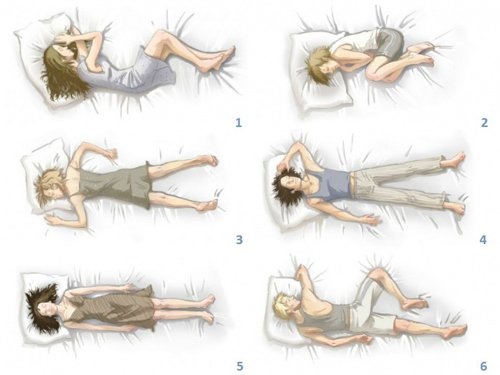
Sleeping on Your Back: Control, Confidence, or Emotional Distance
Sleeping flat on your back with arms at your sides—or folded over the chest—projects confidence and self-control. This posture is common among people who value structure, logic, and emotional restraint.
Psychologists note that back sleepers often prefer to stay in control of their environment and emotions. They may dislike vulnerability and struggle to express emotional needs openly. While they appear calm and composed, they may internally suppress stress or emotional tension.
Interestingly, this position can also signal emotional distance—not because of lack of feeling, but because of a fear of losing control.
The Starfish Position: A Strong Desire to Support Others
Starfish sleepers lie on their backs with arms and legs spread out. This posture is linked to empathy, generosity, and emotional openness.
People who sleep this way often play the role of listener, helper, or emotional anchor in relationships. They are comfortable being there for others but may unconsciously neglect their own needs. The open posture suggests trust—but also vulnerability.
Experts warn that starfish sleepers are at higher risk of emotional burnout, as they tend to give more than they receive.
Side Sleeping: Seeking Balance and Emotional Stability
Side sleeping—especially with arms relaxed and legs slightly bent—is associated with emotional balance. These individuals tend to be adaptable, socially open, and mentally resilient.
However, the direction matters. Sleeping on the left side is often linked to emotional sensitivity and introspection, while right-side sleepers may prioritize logic and decision-making.
Side sleepers usually crave emotional stability. They want peace, predictability, and relationships that feel safe rather than dramatic.
Stomach Sleeping: Control, Anxiety, and Hidden Insecurity
Sleeping on your stomach with arms wrapped around a pillow or head turned sharply to one side often reflects a strong need for control. This posture is common among people who dislike unpredictability and feel uncomfortable relying on others.
While they may appear confident or assertive, stomach sleepers often struggle with anxiety beneath the surface. The body presses against the mattress as if grounding itself, seeking stability.
This position can also indicate difficulty expressing emotional vulnerability—even with people they trust.
Sleeping With a Pillow Hug: A Need for Emotional Connection
People who hug pillows or blankets while sleeping often crave emotional closeness, reassurance, or physical comfort. This does not necessarily mean loneliness, but rather a strong attachment to emotional security.
This posture is common among empathetic individuals who feel deeply but may not always feel fully understood. Hugging something during sleep can serve as a subconscious substitute for emotional connection.
Why This Matters More Than You Think
Sleep posture is not destiny. But it is a mirror.
Psychologists emphasize that recurring sleep positions—especially those maintained for years—can reflect long-term emotional patterns. When emotional needs go unmet during waking hours, the body often compensates at night.
Ignoring these signals doesn’t cause harm overnight. But over time, emotional suppression can contribute to chronic stress, poor sleep quality, anxiety, and emotional exhaustion.
Understanding your sleep posture is not about labeling yourself—it’s about awareness.
The way you sleep may be your mind’s quiet way of asking for something you haven’t given yourself yet: rest, reassurance, connection, or control.
And sometimes, the body speaks most honestly when the mind is asleep.