When it comes to protecting heart health, diet plays a vital role. Certain foods can help reduce cholesterol levels, limit plaque buildup in the
arteries, and support healthy blood circulation. Among them, yellow-colored foods stand out for their rich nutrient profiles and powerful
antioxidants.
Below are five yellow superfoods that are not only easy to find and enjoyable to eat, but also highly beneficial for maintaining a healthy heart
when included regularly in a balanced diet.
1. Pineapple – A Tropical Fruit That Supports Circulation
Pineapple is more than a refreshing tropical fruit. It contains bromelain, a natural enzyme known for its ability to reduce inflammation and
help break down excess fats in the bloodstream. Chronic inflammation is a major contributor to arterial plaque buildup, and bromelain may
help counteract this process.
In addition, pineapple is rich in vitamin C, which supports the health of blood vessels and helps protect them from oxidative damage. Healthy
blood vessels are essential for proper circulation and heart function.
Pineapple can be enjoyed fresh, added to fruit salads, or blended into smoothies for a heart-friendly snack with natural sweetness.
2. Corn – A Fiber-Rich Grain for Cholesterol Control
Corn is often overlooked as a health food, but it is actually a valuable source of dietary fiber, especially soluble fiber. Soluble fiber plays a key
role in reducing cholesterol absorption in the digestive tract, helping to lower levels of “bad” LDL cholesterol in the blood.
By limiting how much cholesterol enters the bloodstream, corn supports cleaner arteries and reduces strain on the heart. When consumed in
moderate portions, corn can be a nutritious addition to meals without harming heart health.
Choose boiled or steamed corn rather than fried or heavily processed corn products for the best benefits.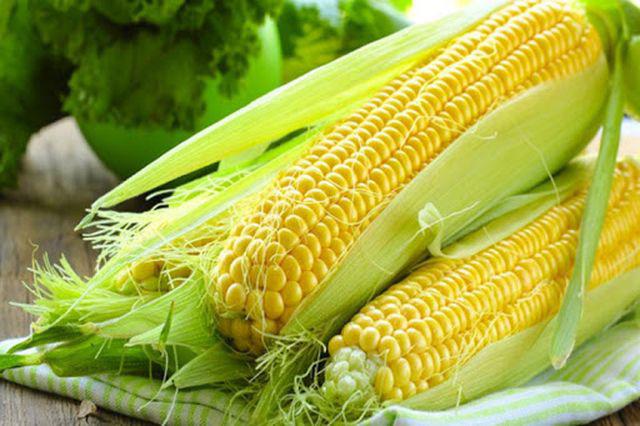
3. Turmeric – A Powerful Anti-Inflammatory Spice
Turmeric is widely recognized for its medicinal properties, largely due to its active compound curcumin. Curcumin has strong anti-
inflammatory and antioxidant effects, both of which are essential for cardiovascular health.
Research suggests that turmeric may help:
-
Lower total cholesterol levels
-
Reduce inflammation in blood vessels
-
Improve endothelial (artery lining) function
Regular use of turmeric in cooking or beverages can support heart health over time. Pairing turmeric with black pepper helps improve
curcumin absorption in the body.
4. Lemon – A Citrus Fruit That Helps Manage Cholesterol
Lemons are packed with vitamin C, flavonoids, and antioxidants that contribute to heart protection. These compounds help reduce
oxidative stress, which can damage arteries and promote plaque formation.
The citric acid in lemons also supports liver function. Since the liver plays a central role in cholesterol regulation, keeping it healthy indirectly
benefits heart health.
Drinking warm lemon water in the morning or using lemon juice in meals can be a simple way to support cholesterol balance and overall
cardiovascular wellness.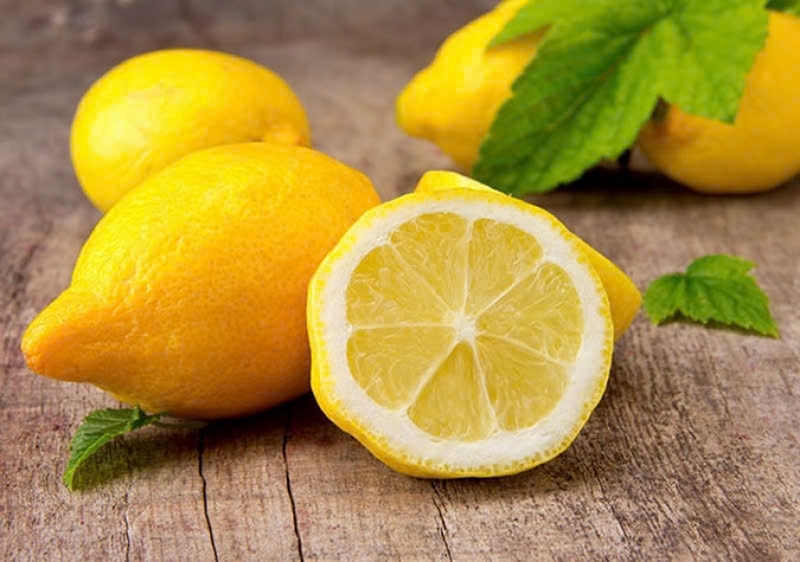
5. Yellow Bell Peppers – Antioxidant-Rich and Heart-Friendly
Yellow bell peppers are rich in vitamins A and C, as well as antioxidants that help reduce oxidative damage in the body. They also contain a
good amount of fiber, which supports healthy cholesterol levels.
Regular consumption of bell peppers may help:
-
Lower LDL (bad) cholesterol
-
Improve blood vessel health
-
Support healthy blood pressure
Yellow bell peppers are versatile and easy to include in meals - whether eaten raw, added to salads, stir-fried, or roasted.
Important Notes for Safe Consumption
The yellow superfoods listed above are generally safe and well-tolerated when eaten in normal amounts. However, heart health depends on
the overall diet and lifestyle, not just individual foods.
To get the best results:
-
Eat these foods as part of a balanced, varied diet
-
Avoid excessive intake of processed foods, trans fats, and refined sugars
-
Maintain regular physical activity and healthy sleep habits
Individual nutritional needs vary, so consulting a nutritionist or healthcare professional can help determine the right portions and food choices
for your body.
Final Thoughts
Nature offers many powerful foods to support heart health, and yellow superfoods are among the most accessible and beneficial options. By
regularly including pineapple, corn, turmeric, lemon, and yellow bell peppers in your diet, you can help reduce cholesterol, protect blood
vessels, and support long-term cardiovascular wellness.
Small, consistent dietary choices can make a meaningful difference in keeping your heart strong and healthy over time.