
Women’s reproductive health is closely connected to daily nutrition. The ovaries, in particular, play a vital role in hormone balance, menstrual
regularity, fertility, and overall well-being. When the body is overloaded with toxins, inflammation, or nutritional deficiencies, ovarian function
can be affected, increasing the risk of hormonal disorders and gynecological issues.
While the body naturally detoxifies itself through the liver and kidneys, certain foods can support this process, reduce inflammation, and
help maintain a healthier internal environment for the ovaries. Below are six foods that are widely recognized for their supportive role in
women’s reproductive health when consumed regularly as part of a balanced diet.
1. Dark Leafy Greens
Dark leafy greens such as spinach, kale, Swiss chard, and broccoli are rich in chlorophyll, fiber, folate, and antioxidants. These nutrients help
the body eliminate excess toxins and support hormone regulation.
Benefits for ovarian health:
-
Aid natural detoxification pathways
-
Reduce inflammation linked to hormonal imbalance
-
Support estrogen metabolism
-
Improve blood circulation to reproductive organs
Eating leafy greens regularly may help lower the risk of conditions associated with estrogen dominance, such as ovarian cysts and fibroids.
2. Berries
Berries - including blueberries, strawberries, raspberries, and blackberries—are packed with antioxidants like anthocyanins and vitamin C.
These compounds help protect ovarian cells from oxidative stress and free radical damage.
Why berries matter:
-
Help reduce cellular inflammation
-
Support immune defense in reproductive tissues
-
Promote healthier egg quality
-
Assist in slowing premature ovarian aging
Berries are also low in sugar and high in fiber, making them a hormone-friendly snack.
3. Fatty Fish Rich in Omega-3s
Salmon, sardines, mackerel, and trout are excellent sources of omega-3 fatty acids. Omega-3s are known for their anti-inflammatory effects,
which are particularly beneficial for women dealing with menstrual pain, hormonal imbalance, or ovarian inflammation.
How omega-3s help:
-
Reduce inflammation in ovarian tissue
-
Support hormone signaling
-
Improve blood flow to reproductive organs
-
May help lower the risk of conditions like endometriosis
Aim for two servings of fatty fish per week for optimal benefits.
4. Garlic
Garlic is a powerful natural food with antimicrobial, anti-inflammatory, and detox-supporting properties. It contains sulfur compounds that
help activate enzymes responsible for toxin elimination.
Garlic’s role in ovarian support:
-
Helps reduce harmful bacteria and infections
-
Supports liver detoxification, indirectly benefiting hormone balance
-
Enhances immune defense against gynecological infections
Adding fresh garlic to daily meals can gently support reproductive system health over time.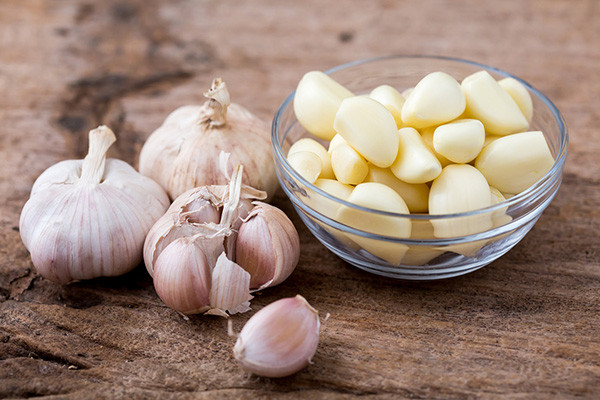
5. Nuts and Seeds (Especially Flaxseeds and Walnuts)
Nuts and seeds provide essential minerals such as zinc, selenium, and magnesium, which are crucial for ovarian and hormonal function.
Flaxseeds, in particular, contain lignans that help regulate estrogen levels.
Benefits include:
-
Supporting hormone balance
-
Reducing estrogen dominance
-
Improving ovarian function
-
Supporting regular menstrual cycles
Ground flaxseeds can be added to smoothies, yogurt, or oatmeal for easy consumption.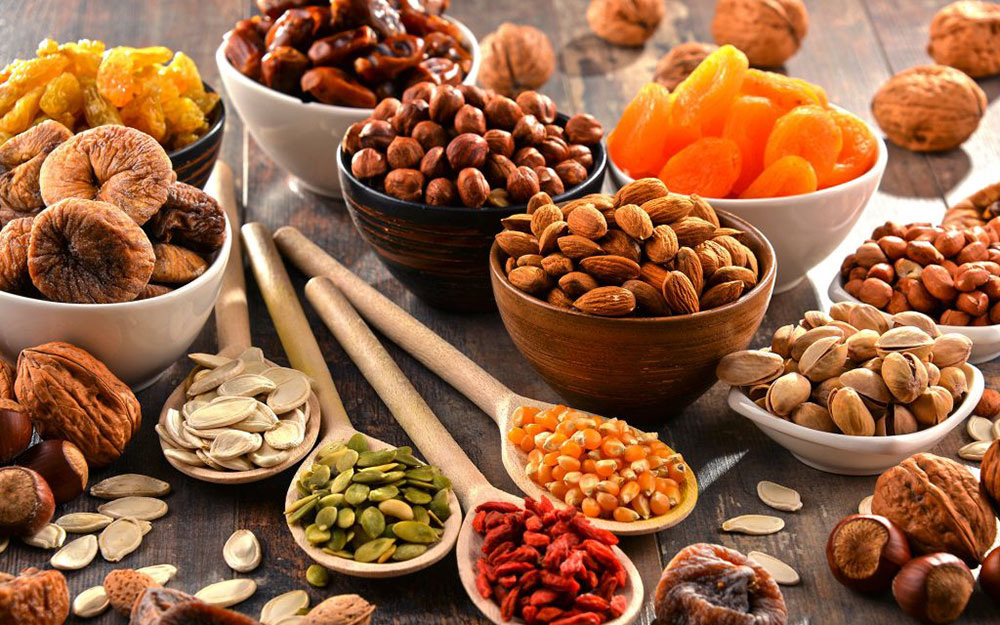
6. Green Tea
Green tea is rich in catechins - powerful antioxidants that support detoxification and reduce inflammation. It is also known to support
metabolic health and hormonal balance.
Why green tea helps:
-
Aids the body’s natural detox processes
-
Protects ovarian cells from oxidative damage
-
May help regulate insulin levels, which affects ovarian health
-
Supports overall reproductive wellness
Drinking one to two cups per day is generally considered beneficial.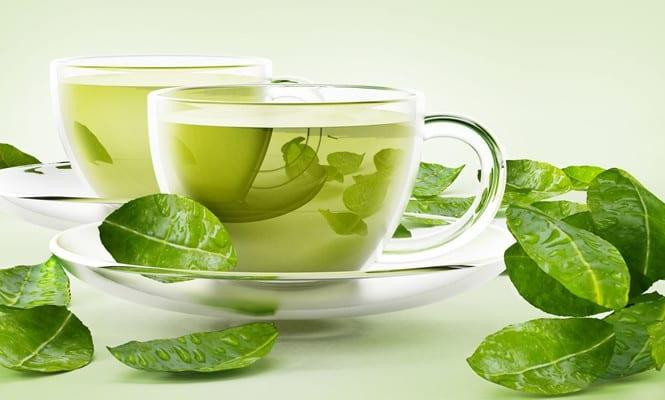
Additional Tips for Ovarian Health
Alongside a nutrient-rich diet, lifestyle habits play a major role in protecting ovarian and gynecological health:
-
Stay hydrated to support toxin elimination
-
Limit processed foods and excess sugar
-
Maintain a healthy body weight
-
Exercise regularly to improve circulation
-
Manage stress, as chronic stress affects hormone levels
-
Get regular gynecological check-ups
Important Note
Food can support ovarian health, but it does not replace medical treatment. If you experience persistent pelvic pain, irregular periods,
abnormal bleeding, or other gynecological symptoms, consult a healthcare professional promptly.
Final Thoughts
Caring for ovarian health starts with everyday choices. By incorporating these six supportive foods into a balanced diet, women can help
reduce inflammation, support hormone balance, and create a healthier internal environment for their reproductive system.
Small, consistent changes in nutrition can make a meaningful difference over time - supporting not only ovarian health but overall vitality and
well-being.