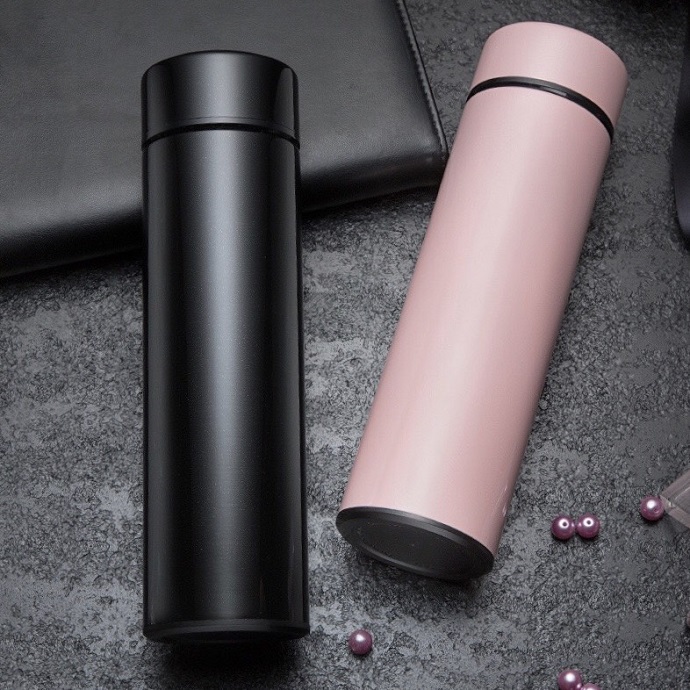
Thermos flasks are widely used for their convenience, allowing people to keep drinks hot or cold for hours. However, when used incorrectly or
for too long without replacement, a thermos can quietly become a serious health hazard. A recent medical case highlights how dangerous this
habit can be and why everyone should pay closer attention to what they store in their thermos.
A Shocking Case Linked to Long-Term Thermos Use
On the Taiwanese television program Doctors Are So Spicy, Dr. Hong Yongxiang, a nephrology specialist, shared a troubling case involving a
man in his 50s. For nearly 20 years, the man had a daily habit of storing coffee in the same thermos cup. Over time, the inner lining of the
thermos had visibly deteriorated and developed rust, yet he continued using it without replacing it.
One morning, while driving to work, the man suddenly collapsed and lost consciousness, causing a traffic accident.
After being rushed to the hospital, doctors found no signs of intracranial bleeding. However, further tests revealed something far more
alarming: his cerebral cortex had undergone significant atrophy, he was suffering from severe anemia, and his kidney function was impaired.
He was transferred to the nephrology department for further evaluation.
Detailed examinations later confirmed that the man had accumulated dangerously high levels of heavy metals in his body, resulting in lead
poisoning. Despite medical intervention, his condition worsened, and he ultimately passed away due to aspiration pneumonia.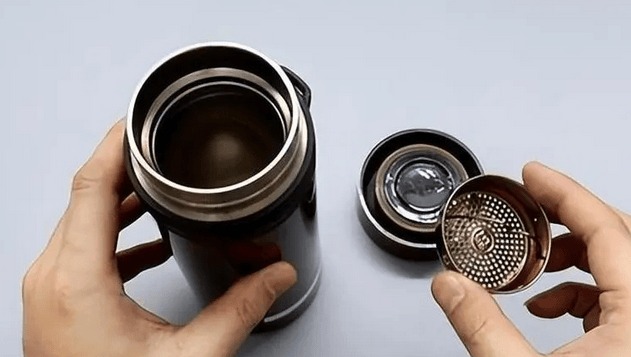
The Hidden Dangers of Improper Thermos Use
Dr. Hong Yongxiang emphasized that thermos flasks are not designed to store all types of beverages, especially for long periods. When
acidic or alkaline liquids are placed in a thermos—particularly one made with poor-quality materials—the risk of heavy metal leaching
increases significantly.
Over time, substances such as lead, cadmium, and chromium can seep into the drink and enter the body. Chronic exposure to these metals may cause:
-
Liver and kidney damage
-
Severe anemia
-
Memory loss and cognitive decline
-
Neurological disorders and brain atrophy
He Yongcheng, an associate professor at the School of Life Sciences at The Chinese University of Hong Kong, further explained that the
stainless steel lining inside many thermoses contains iron and other metals. Acidic liquids can corrode this protective layer, accelerating the
release of harmful substances. If a thermos contains even trace amounts of lead or cadmium, long-term daily use can pose serious health
risks.
Three Types of Drinks You Should Never Store in a Thermos
Health authorities and consumer protection agencies have repeatedly warned against storing the following beverages in thermos flasks:
1. Acidic Beverages
Examples include grapefruit juice, orange juice, lemon water, sour dairy drinks, and other acidic liquids.
Acidic substances can react with the metal lining of a thermos, causing corrosion and increasing the likelihood of heavy metal contamination.
Over time, this reaction can compromise both the safety and taste of the beverage.
Avoid storing:
-
Citrus juices
-
Lemon-infused water
-
Soft drinks
-
Acidic milk-based drinks
2. Carbonated Drinks
Carbonated beverages should never be stored in a thermos. The sealed environment traps gas pressure, which can build up rapidly.
This may result in:
-
Sudden spillage when opened
-
Damage to the thermos seal
-
In extreme cases, bursting or explosion
The risk increases if the drink is warm or shaken.
3. Strong Tea or Coffee Stored for Long Periods
While many people use thermoses for tea or coffee, leaving these drinks inside for extended periods can cause problems. Prolonged storage
leads to:
-
Strong lingering odors
-
Stains that are difficult to remove
-
Bacterial growth
-
Deterioration of the thermos lining
Over time, this not only affects hygiene and taste but may also accelerate material breakdown.
How to Properly Maintain and Clean a Thermos
To reduce health risks and extend the lifespan of your thermos, follow these essential care tips:
-
Avoid chlorine-based cleaners, abrasive detergents, or metal brushes, as they can scratch and corrode the interior
-
Clean gently using warm water, mild detergent, and a soft sponge or microfiber cloth
-
Inspect your thermos regularly for rust, cracks, leaks, or peeling linings
-
Replace the thermos immediately if any damage is visible
-
Choose products from reputable brands that meet safety and quality standards
-
Avoid sudden temperature changes, which can weaken the material over time
-
Allow the thermos to return to room temperature for at least 15 minutes before switching between hot and cold drinks
-
Never place a thermos in the microwave, as this can cause sparks, fire, or explosion
Final Thoughts
A thermos is meant to be a convenient tool - not a long-term health risk. Improper use, poor maintenance, or ignoring visible wear can turn a
simple habit into a dangerous source of heavy metal exposure.
By understanding what not to store in a thermos and caring for it properly, you can continue using it safely while protecting your health.
When it comes to everyday items that contact what you consume, replacement and caution are far safer than regret.