Your Body May Be Sending These 8 Warning Signs of Can.cer - Don't Ignore Them...
<h1><span style="font-size: 14pt;">Warning Signs That Cancer May Be Growing in Your Body</span></h1>
<p><span style="font-size: 14pt;">Cancer does not always announce itself with obvious symptoms. In many cases, the earliest changes can be subtle and may look like ordinary problems caused by stress, aging, infections, or lifestyle habits. This is one reason why certain cancers are sometimes discovered only after they have progressed.</span></p>
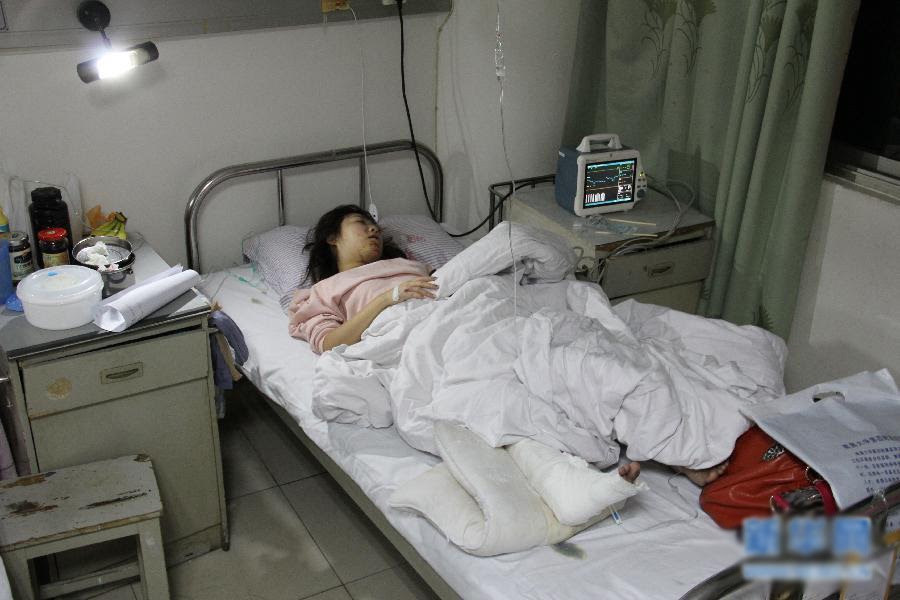
<p><span style="font-size: 14pt;">The image highlights a serious message: <strong>your body can sometimes provide warning signals when something is not right.</strong> Recognizing these changes does not mean you have cancer, but persistent or unexplained symptoms deserve attention—especially when they are new, unusual, or gradually becoming worse.</span></p>
<h2><span style="font-size: 14pt;">1. Unexplained Weight Loss</span></h2>
<p><span style="font-size: 14pt;">Losing weight without intentionally changing your diet or exercise routine can be an important warning sign.</span></p>
<p><span style="font-size: 14pt;">Some cancers can affect metabolism, appetite, or the body's ability to use nutrients normally. A person may notice that clothing becomes looser even though they have not been trying to lose weight.</span></p>
<p><span style="font-size: 14pt;"><strong>Unexplained weight loss does not automatically mean cancer.</strong> Thyroid disorders, digestive problems, infections, stress, and other medical conditions can cause it as well. However, significant or continuing weight loss should be discussed with a healthcare professional.</span></p>
<h2><span style="font-size: 14pt;">2. Persistent or Unusual Fatigue</span></h2>
<p><span style="font-size: 14pt;">Everyone feels tired occasionally, but cancer-related fatigue can be different.</span></p>
<p><span style="font-size: 14pt;">You may feel exhausted despite getting enough sleep, or everyday activities that were once easy may suddenly feel unusually difficult. Some cancers can contribute to fatigue through anemia, inflammation, nutritional deficiencies, hormonal changes, or the body's immune response.</span></p>
<p><span style="font-size: 14pt;">If severe fatigue persists without an obvious explanation, it is worth investigating rather than simply assuming that you need more rest.</span></p>
<h2><span style="font-size: 14pt;">3. Unexplained Pain That Persists</span></h2>
<p><span style="font-size: 14pt;">Pain is common and usually has a straightforward explanation. However, <strong>persistent, unexplained, or progressively worsening pain</strong> should not be ignored.</span></p>
<p><span style="font-size: 14pt;">Depending on the location and type of cancer, pain may occur in the abdomen, chest, back, bones, pelvis, or elsewhere. Some tumors can press on surrounding tissues or nerves.</span></p>
<p><span style="font-size: 14pt;">The important factor is not simply having pain, but noticing a pattern that is unusual for you—particularly pain that continues, worsens, or is accompanied by other symptoms.</span></p>
<h2><span style="font-size: 14pt;">4. A New Lump or Swelling</span></h2>
<p><span style="font-size: 14pt;">A new lump, thickened area, or swelling anywhere on the body deserves attention.</span></p>
<p><span style="font-size: 14pt;">Breast lumps are particularly important to evaluate, but lumps can also occur in the neck, abdomen, armpit, groin, or other areas.</span></p>
<p><span style="font-size: 14pt;">Many lumps are completely harmless, including cysts and benign growths. <strong>Only medical evaluation can determine what a persistent or unusual lump represents.</strong></span></p>
<p><span style="font-size: 14pt;">Do not wait indefinitely for a lump to disappear if it continues to grow or changes over time.</span></p>
<h2><span style="font-size: 14pt;">5. Changes in the Skin</span></h2>
<p><span style="font-size: 14pt;">The skin can sometimes reveal internal or localized health problems.</span></p>
<p><span style="font-size: 14pt;">Pay attention to a <strong>new mole or growth, a changing mole, a sore that does not heal, unusual bleeding, persistent itching, or changes in color or texture.</strong></span></p>
<p><span style="font-size: 14pt;">For moles, changes in asymmetry, borders, color, diameter, or evolution can be particularly important. A skin lesion that looks different from your other moles may also deserve professional assessment.</span></p>
<h2><span style="font-size: 14pt;">6. Persistent Changes in Bowel Habits</span></h2>
<p><span style="font-size: 14pt;">Changes in bowel movements are common, especially after dietary changes, illness, or medication use. But persistent changes should not be dismissed.</span></p>
<p><span style="font-size: 14pt;">Warning patterns can include <strong>ongoing constipation or diarrhea, a noticeable change in stool appearance, narrower stools, persistent abdominal discomfort, or blood in the stool.</strong></span></p>
<p><span style="font-size: 14pt;">These symptoms can have many causes, including hemorrhoids, irritable bowel syndrome, infections, and inflammatory bowel disease. Still, persistent or unexplained changes should be evaluated.</span></p>
<h2><span style="font-size: 14pt;">7. Unusual Bleeding</span></h2>
<p><span style="font-size: 14pt;">Unexpected bleeding is another symptom that deserves attention.</span></p>
<p><span style="font-size: 14pt;">Examples include <strong>blood in the stool, blood in the urine, coughing up blood, vomiting blood, or unusual vaginal bleeding.</strong></span></p>
<p><span style="font-size: 14pt;">The cause may be something other than cancer, but unexplained bleeding should never be automatically assumed to be harmless. The source and pattern of the bleeding matter, and prompt medical assessment may be necessary.</span></p>
<h2><span style="font-size: 14pt;">8. Persistent Cough or Voice Changes</span></h2>
<p><span style="font-size: 14pt;">A cough that lasts for weeks, especially without an obvious explanation, may require medical evaluation.</span></p>
<p><span style="font-size: 14pt;">A persistent cough can result from allergies, asthma, reflux, infections, smoking, or other conditions. However, a cough accompanied by <strong>shortness of breath, chest discomfort, coughing up blood, unexplained weight loss, or persistent hoarseness</strong> deserves particular attention.</span></p>
<p><span style="font-size: 14pt;">Again, the presence of one symptom does not diagnose cancer. The key is understanding why the symptom is occurring.</span></p>
<h2><span style="font-size: 14pt;">9. Difficulty Swallowing</span></h2>
<p><span style="font-size: 14pt;">Persistent difficulty swallowing, sometimes called dysphagia, can have several causes.</span></p>
<p><span style="font-size: 14pt;">People may feel as though food is sticking in the throat or chest, or they may gradually begin avoiding certain foods because swallowing has become uncomfortable or difficult.</span></p>
<p><span style="font-size: 14pt;">Acid reflux and other non-cancerous conditions can cause swallowing problems. However, <strong>new or progressive difficulty swallowing should be evaluated</strong>, especially when accompanied by weight loss, persistent pain, or other changes.</span></p>
<h2><span style="font-size: 14pt;">10. Persistent Digestive Symptoms</span></h2>
<p><span style="font-size: 14pt;">Ongoing bloating, indigestion, abdominal discomfort, nausea, changes in appetite, or feeling full unusually quickly can sometimes indicate a digestive disorder.</span></p>
<p><span style="font-size: 14pt;">Most digestive symptoms are not caused by cancer. However, symptoms that are <strong>persistent, unexplained, or significantly different from your normal pattern</strong> should be discussed with a healthcare professional.</span></p>
<p><span style="font-size: 14pt;">Keeping track of when symptoms occur, what makes them better or worse, and whether they are accompanied by weight loss or bleeding can help during an evaluation.</span></p>
<h2><span style="font-size: 14pt;">11. Recurrent Fever or Night Sweats</span></h2>
<p><span style="font-size: 14pt;">Unexplained fever and heavy night sweating can occur with infections and many inflammatory conditions. In some circumstances, however, they can also accompany certain cancers.</span></p>
<p><span style="font-size: 14pt;">A fever that repeatedly returns without an identifiable cause, particularly when associated with fatigue, unexplained weight loss, swollen lymph nodes, or other persistent symptoms, should be assessed by a healthcare professional.</span></p>
<h2><span style="font-size: 14pt;">12. Swollen Lymph Nodes</span></h2>
<p><span style="font-size: 14pt;">Lymph nodes naturally become swollen when the immune system is fighting infections. A tender swollen lymph node after a cold or throat infection is often temporary.</span></p>
<p><span style="font-size: 14pt;">Concern increases when a lymph node is <strong>persistent, enlarging, unusually firm, or accompanied by unexplained weight loss, prolonged fever, or night sweats.</strong></span></p>
<p><span style="font-size: 14pt;">The location of the swollen node and how long it has been present can help determine what evaluation is appropriate.</span></p>
<h2><span style="font-size: 14pt;">Why Paying Attention to Patterns Matters</span></h2>
<p><span style="font-size: 14pt;">One isolated symptom rarely tells the whole story.</span></p>
<p><span style="font-size: 14pt;">Cancer can produce symptoms that overlap with dozens of common conditions. That is why it is dangerous to assume that every headache, stomachache, lump, or episode of fatigue means cancer. At the same time, repeatedly ignoring unusual changes can delay diagnosis.</span></p>
<p><span style="font-size: 14pt;">A better approach is to pay attention to <strong>patterns and persistence</strong>.</span></p>
<p><span style="font-size: 14pt;">Ask yourself:</span></p>
<ul>
<li>
<p><span style="font-size: 14pt;">Is this symptom new for me?</span></p>
</li>
<li>
<p><span style="font-size: 14pt;">Has it lasted longer than expected?</span></p>
</li>
<li>
<p><span style="font-size: 14pt;">Is it getting worse?</span></p>
</li>
<li>
<p><span style="font-size: 14pt;">Is it happening repeatedly?</span></p>
</li>
<li>
<p><span style="font-size: 14pt;">Are several unusual symptoms occurring together?</span></p>
</li>
<li>
<p><span style="font-size: 14pt;">Is there unexplained bleeding, weight loss, or a new lump?</span></p>
</li>
<li>
<p><span style="font-size: 14pt;">Does the symptom interfere with normal daily activities?</span></p>
</li>
</ul>
<p><span style="font-size: 14pt;">If the answer to several of these questions is yes, make an appointment with a healthcare professional.</span></p>
<h2><span style="font-size: 14pt;">Early Detection Can Make a Difference</span></h2>
<p><span style="font-size: 14pt;">Not every cancer produces noticeable symptoms in its early stages. Some cancers may be detected through screening before symptoms appear.</span></p>
<p><span style="font-size: 14pt;">Depending on your <strong>age, sex, family history, personal risk factors, and medical history</strong>, recommended screening may include tests for certain cancers such as breast, cervical, colorectal, or lung cancer.</span></p>
<p><span style="font-size: 14pt;">Screening recommendations vary, so it is important to discuss your individual risk with a qualified healthcare professional rather than relying solely on online symptom lists.</span></p>
<h2><span style="font-size: 14pt;">When Should You Seek Medical Help?</span></h2>
<p><span style="font-size: 14pt;">A symptom does not need to be severe before you take it seriously.</span></p>
<p><span style="font-size: 14pt;">If something is <strong>persistent, unexplained, worsening, or clearly different from your normal health</strong>, arrange an appropriate medical evaluation. If you experience severe symptoms such as significant bleeding, difficulty breathing, severe chest pain, sudden neurological changes, or another medical emergency, seek urgent medical care.</span></p>
<p><span style="font-size: 14pt;">Most importantly, <strong>do not attempt to diagnose yourself based on a single symptom or an image on social media.</strong> The same symptom can have many different causes, and proper diagnosis may require a physical examination, medical history, laboratory tests, imaging, or other investigations.</span></p>
<h3><span style="font-size: 14pt;">Final Thoughts</span></h3>
<p><span style="font-size: 14pt;">Your body constantly communicates with you. Changes such as unexplained weight loss, persistent fatigue, unusual pain, new lumps, abnormal bleeding, changes in bowel habits, skin changes, prolonged cough, or unexplained fever should not automatically be interpreted as cancer—but they should not always be ignored either.</span></p>
<p><span style="font-size: 14pt;"><strong>Knowing what is normal for your body makes it easier to recognize when something has changed.</strong></span></p>
<p><span style="font-size: 14pt;">The goal is not to live in fear of cancer. The goal is to <strong>notice persistent changes, seek appropriate medical advice, follow recommended screening guidelines, and give yourself the best opportunity for early detection when a serious condition is present.</strong></span></p>
<p><span style="font-size: 14pt;">If you notice something unusual that does not go away, don't simply wait and hope it disappears. <strong>Talk with a healthcare professional and find out what is really causing it.</strong></span></p>