Heart disease remains one of the leading causes of death globally. It claims millions of lives each year, often being referred to as a silent killer because it can strike without warning.
This World Heart Day, September 29, 2024, ITN Business’ programme In a Heartbeat will aim to answer some of the important questions about heart and circulatory diseases and underscore the urgent need to address their causes.
From coronary heart disease and arrhythmias to cardiomyopathy, awareness and understanding of these conditions remain limited, particularly when it comes to recognising the early signs and symptoms of heart disease, and yet around 11 per cent of men and 9 per cent of women in the UK have been diagnosed with some form of cardiovascular disease.
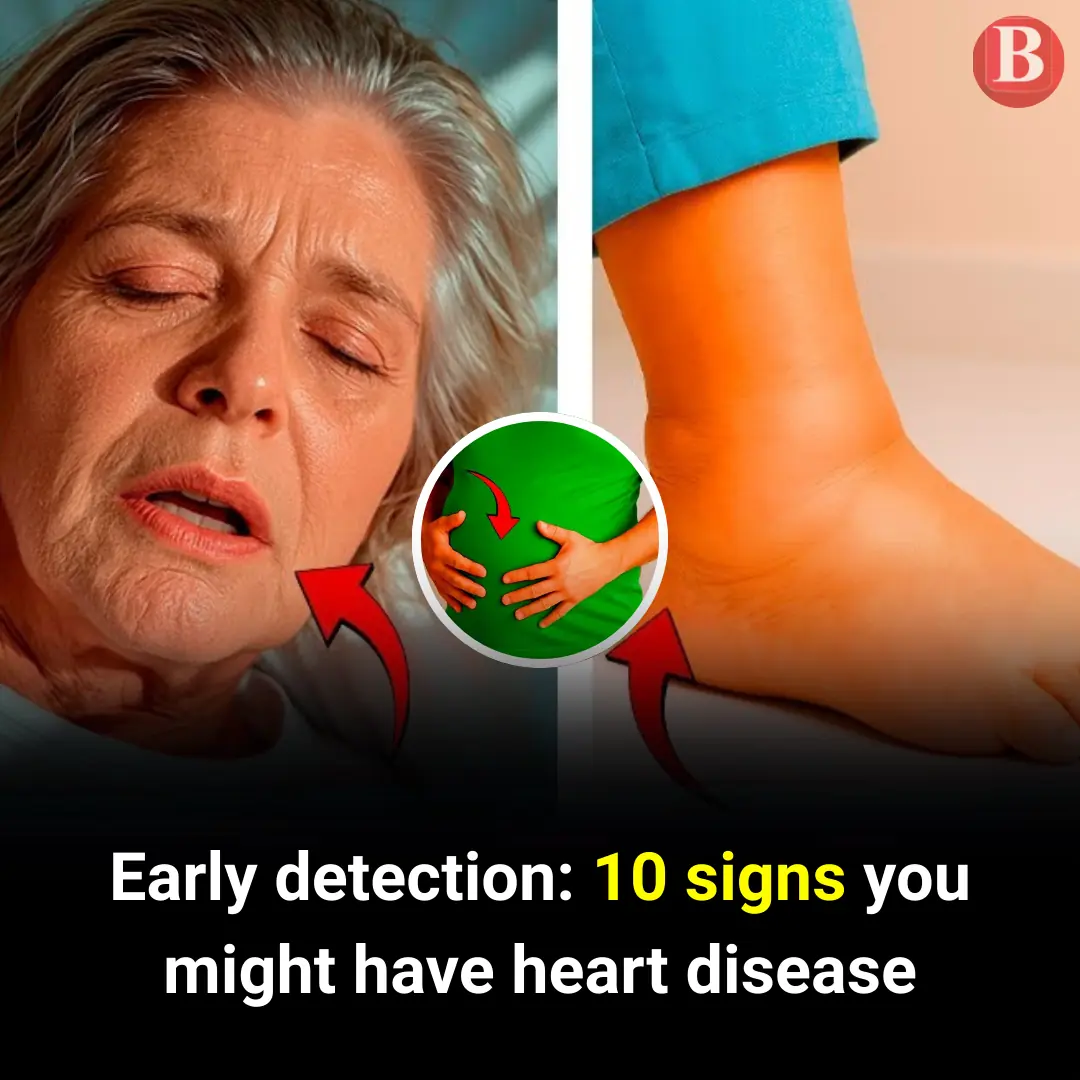
Understanding these 10 warning signs can help identify potential cardiovascular issues before they become life-threatening.
Here are the symptoms you should never ignore…
1. Chest discomfort
One of the most common symptoms of heart disease is chest pain or discomfort. This may feel like pressure, tightness, or a squeezing sensation in the chest. The discomfort can vary in intensity and may radiate to the arms, back, neck, jaw, or stomach.
It’s essential to assess the severity and duration of the symptoms. Chest pain that is sudden, severe, persistent, or accompanied by other symptoms such as shortness of breath or nausea may indicate a heart attack or other serious cardiac event.
2. Shortness of breath
If you find yourself struggling to catch your breath, especially during physical activity or while lying down, it could be a sign of heart disease. This occurs when the heart is unable to pump enough blood to meet the body’s demands.
3. Fatigue
Persistent fatigue or weakness, even after adequate rest, can indicate an underlying heart problem. The heart’s reduced ability to pump blood effectively can lead to decreased oxygen delivery to the muscles, resulting in feelings of tiredness and lethargy.
4. Dizziness or lightheadedness
Feeling dizzy or lightheaded, particularly when standing up suddenly, may signal heart disease. Reduced blood flow to the brain can cause these symptoms, leading to a sensation of faintness or instability.
5. Palpitations
Irregular heartbeats or palpitations, where you feel like your heart is racing, fluttering, or pounding, should not be ignored. These abnormal rhythms can be indicative of an underlying cardiac issue and may require medical attention.
6. Swelling
Fluid retention, often manifesting as swelling in the legs, ankles, feet, or abdomen, can be a sign of heart disease. When the heart is unable to pump blood efficiently, fluid can accumulate in the body’s tissues, leading to swelling.
7. Unexplained weight gain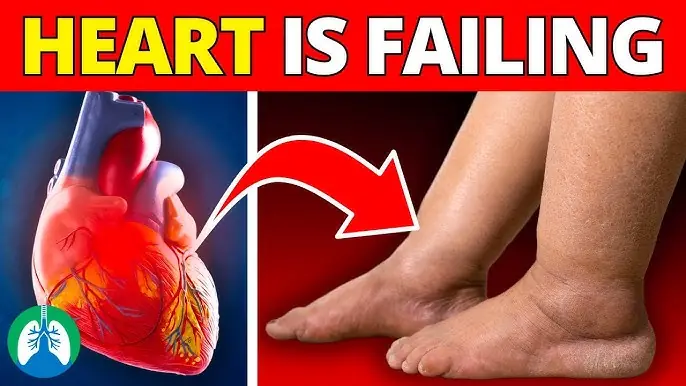
Sudden or unexplained weight gain, accompanied by swelling and fluid retention, may be linked to heart disease. The body retains excess fluid when the heart is not functioning properly, resulting in weight gain despite no changes in diet or activity level.
8. Nausea or loss of appetite
Some individuals with heart disease may experience nausea, indigestion, or a loss of appetite. These symptoms can arise due to reduced blood flow to the digestive system, leading to gastrointestinal disturbances.
9. Persistent cough
A chronic or persistent cough, particularly if it produces pink or white mucus, can be a sign of heart failure. Fluid accumulation in the lungs, known as pulmonary edema, can cause coughing and difficulty breathing.
10. Cold sweats
Cold sweats, especially when accompanied by other symptoms such as chest pain, shortness of breath, or nausea, may indicate a heart attack. Sweating profusely without exertion or exposure to heat warrants immediate medical attention.
When in doubt, it’s better to err on the side of caution and seek medical help promptly. Delaying treatment for a potential heart attack can have serious consequences, including permanent damage to the heart muscle or even death.
Understanding your risks
You have a higher risk of CVD if the following risk factors apply to you (the more that apply, the higher the risk), many of which can be reduced through lifestyle changes:
- smoking
- stress
- alcohol
- high blood pressure
- high blood cholesterol
- being physically inactive
- being overweight or obese
- diabetes
- family history of heart disease
- ethnic background
- sex – men are more likely to get CVD earlier than women
- age – the older you are, the more likely you are to get CVD.
Would you know what to do in the event of a heart attack?
As the British Heart Foundation states on its website, a heart attack is a medical emergency and you should call 999 for an ambulance immediately.
You should then:
- sit down and stay calm
- take 300mg aspirin if you have it and you’re not allergic
- wait for the ambulance
A heart attack occurs when there’s a sudden loss of blood flow to a part of the heart muscle. Insufficient blood and oxygen to your heart can lead to serious damage and be fatal. Most heart attacks are caused by coronary heart disease (CHD) and a gradual build-up of fatty deposits called atheroma. If a piece of atheroma breaks off, a blood clot forms which can block your coronary artery.

Research shows women tend to not recognise the symptoms as a sign of a heart attack as quickly. This is mainly because heart attacks are wrongly believed to be a ‘man’s problem.’
In the UK, an average of four women die of coronary heart disease every hour, many of them due to a heart attack.
A report by the American Heart Association highlighting trends in awareness among women in the US, points to critical gaps among younger women and women of colour. A decline in awareness was observed among all racial, ethnic and age groups except women ages 65 and older.
Young people are often overlooked in terms of heart conditions, too. Yet every week in the UK, twelve families will experience the loss of a loved one under the age of 35 to sudden cardiac death. These deaths are often caused by a genetic heart condition.
Understanding the different types of heart conditions
Coronary heart disease
Heart disease is a narrowing or blocking of blood vessels, which can then lead to a heart attack, angina or stroke. It can include conditions that affect your heart’s muscle, valves or cause abnormal rhythms (arrhythmias).
Arrhythmias
Arrhythmias can cause the heart to beat too fast (tachycardia), too slow (bradycardia), or irregularly. Common types include atrial fibrillation, atrial flutter, and ventricular tachycardia.
Cardiomyopathy
This is a disease of the heart muscle which affects its size, shape or thickness. The condition can be caused by other heart and circulatory conditions or can be inherited.
Explore our programme, In a Heartbeat
Our upcoming programme In a Heartbeat will look at technical innovations, scientific advancements, lifestyle apps, and the latest developments across the spectrum of heart care. It will highlight the positive work in action being undertaken by organisations and individuals aiming to combat heart and circulatory diseases.