
Gout is an acute form of arthritis caused by the accumulation of uric acid in the body. Uric acid is a byproduct of purine metabolism, a natural compound found in many foods. When the body can't efficiently eliminate uric acid, it accumulates in the joints and tissues, causing intense pain. Below are the main causes of gout and how to effectively prevent it.
Causes of Gout
1. Increased Uric Acid Levels in the Blo.od
Uric acid is the result of purine breakdown in foods. When the body produces too much uric acid or cannot eliminate it properly through the kidneys, the uric acid levels in the blood rise. Excess uric acid forms urate crystals, especially in the joints, causing inflammation and pain.
2. Unhealthy Diet
One of the most common causes of gout is a diet rich in purines, particularly foods like red meat, seafood, alcoholic beverages (beer, wine), and processed foods. These foods increase uric acid levels in the blood, thereby increasing the risk of gout.
3. Obesity
Obesity is a significant risk factor for gout. When the body is overweight, the kidneys have difficulty eliminating uric acid, leading to its accumulation. Obesity can also increase the production of uric acid from fat tissues.
4. Genetic Factors
Gout can be hereditary. If someone in your family has gout, you are at a higher risk of developing the condition. Genetic factors can affect the kidneys' ability to eliminate uric acid, making you more susceptible to gout.
5. Medication Use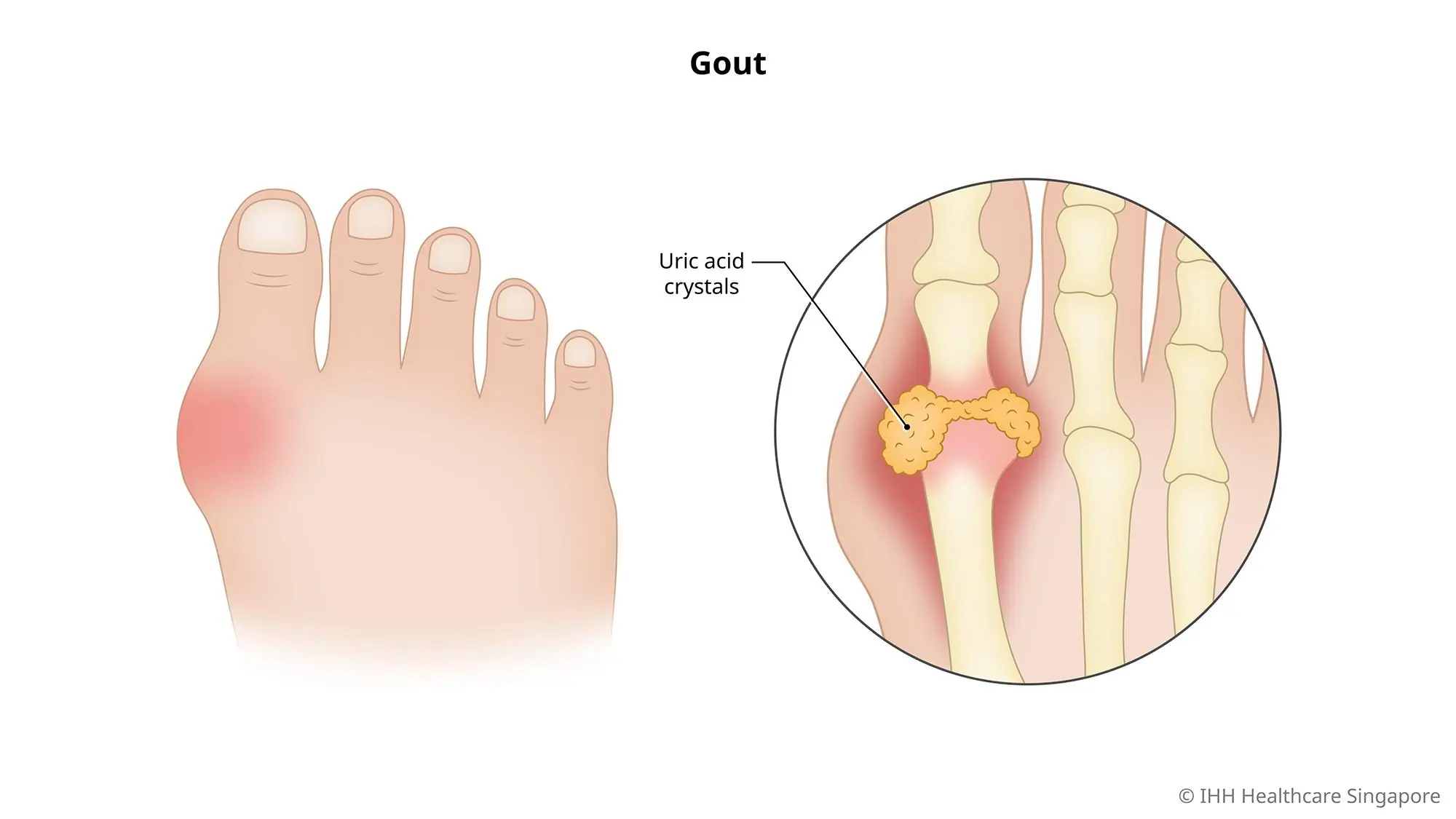
Certain medications, such as diuretics, blood pressure medications, or painkillers (like aspirin), can increase uric acid levels in the body and contribute to the development of gout.
6. Underlying Diseases
Diseases such as high blo.od pressure, diabetes, kidney disease, and cardiovascular issues can increase the risk of gout. These conditions affect the kidneys' ability to eliminate uric acid and lead to its accumulation in the body.
Foods That People with Gout Should Absolutely Avoid
Gout is a condition caused by the accumulation of uric acid in the body, leading to intense joint pain. To manage gout, diet plays a crucial role. Some foods can increase uric acid levels in the body, worsening gout symptoms. Here are some foods that people with gout should avoid:
1. Red Meat
Red meats like beef, pork, and lamb contain high levels of purines, which are converted into uric acid in the body. Consuming too much red meat increases uric acid levels in the blood, triggering gout flare-ups. Therefore, individuals with gout should limit or avoid red meat to prevent symptoms from worsening.
2. Seafood
Seafood like shrimp, crab, shellfish, salmon, and mackerel also contains high levels of purines. While seafood is nutritious, consuming too much can elevate uric acid levels, leading to joint pain. Therefore, people with gout should avoid these types of seafood.
3. Alcoholic Beverages (Beer, Wine)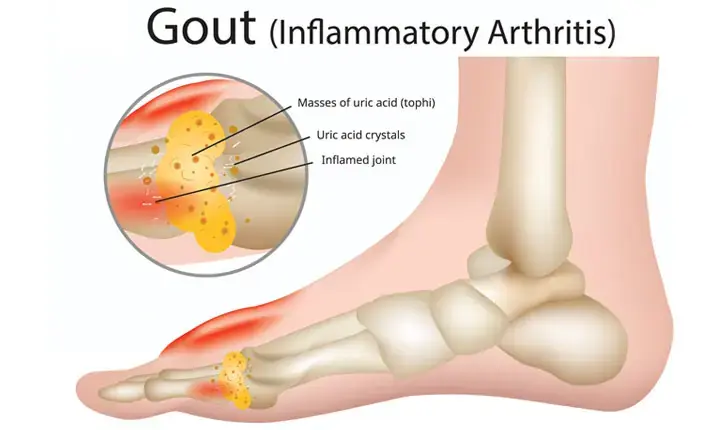
Alcohol, especially beer, has the ability to increase uric acid levels in the body. Beer contains high purine levels and can reduce the kidneys' ability to eliminate uric acid, making gout symptoms worse. Therefore, individuals with gout should avoid drinking alcohol to protect their health.
4. Foods High in Fructose
Fructose, commonly found in sweetened beverages, processed fruit juices, and canned desserts, can increase uric acid levels in the body. When fructose is consumed in large amounts, the body produces more uric acid, worsening gout symptoms. People with gout should avoid foods rich in fructose to better control the disease.
5. Processed Foods
Processed foods like sausages, cold cuts, and fast food are high in purines and unhealthy fats. These foods not only harm your health but also increase uric acid levels in the body. People with gout should limit processed foods and focus on fresh, healthy meals.
6. Organ Meats
Animal organ meats like liver, kidney, heart, and intestines contain very high levels of purines. Consuming too much organ meat will cause the body to produce more uric acid, increasing the risk of gout flare-ups. Therefore, individuals with gout should completely avoid these foods.
7. Foods High in Saturated Fats
Foods rich in saturated fats, such as fatty meats, butter, and cheese, can not only increase the risk of heart disease but also affect the body's ability to excrete uric acid. Excessive fat intake can worsen gout symptoms.
8. Other High-Purin Foods
In addition to the foods mentioned above, there are other foods with high purine content that people with gout should avoid, such as mushrooms, black beans, green beans, peas, and other legumes. While beans are a good source of protein, they contain purines that can increase uric acid levels when consumed in excess.
Ways to Prevent Gout
1. Maintain a Healthy Diet
- Reduce Purine-Rich Foods: Limit red meat, seafood, and processed foods that are high in purines. Instead, focus on eating more vegetables, fruits, and fiber-rich foods.
- Drink Plenty of Water: Water helps the kidneys eliminate uric acid through urine. Aim for at least 2-3 liters of water per day to support kidney function.
- Limit Alcohol Consumption: Alcohol, especially beer, increases uric acid levels in the body. Limit or avoid alcoholic beverages to reduce the risk of gout.
2. Maintain a Healthy Weight
Obesity is a major risk factor for gout. Maintaining a healthy weight helps reduce strain on the kidneys and improves their ability to eliminate uric acid. Eat balanced meals and engage in regular physical activity to manage your weight.
3. Exercise Regularly
Exercise improves blo.od circulation, supports metabolism, and reduces the risk of gout. Activities like walking, jogging, swimming, or yoga are beneficial for joint health and can help control uric acid levels.
4. Manage Underlying Diseases
Managing conditions like diabetes, high blood pressure, and kidney disease can reduce the risk of gout. Timely treatment and maintaining stable health indicators help ensure the kidneys function effectively and eliminate uric acid.
5. Use Medication as Prescribed by a Doctor
If you are at risk of gout, a doctor may prescribe medications to reduce uric acid levels in the body, such as colchicine, xanthine oxidase inhibitors (allopurinol), or medications that increase uric acid excretion through the kidneys. However, medication should only be used under medical supervision.
Conclusion
Diet plays a vital role in managing gout. People with gout should avoid foods rich in purines, alcoholic beverages, processed foods, and foods high in saturated fats to prevent joint pain and protect their health. Additionally, maintaining a balanced diet, drinking plenty of water, exercising regularly, and treating underlying diseases will help improve health and reduce gout symptoms.
While gout can cause severe joint pain and decrease the quality of life, it can be prevented and effectively managed through a healthy diet, weight management, regular exercise, and proper treatment. Make proactive lifestyle changes and seek medical advice to protect your health.