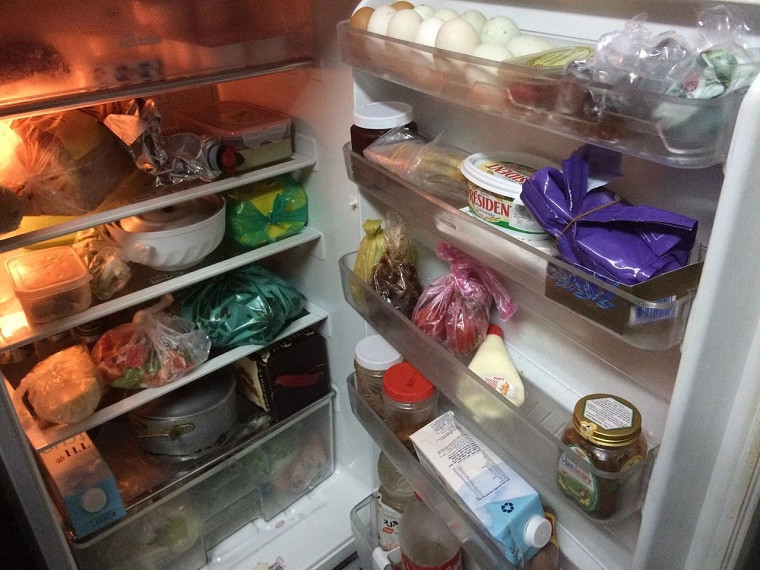
Refrigerators play a crucial role in modern households. They help preserve food, slow bacterial growth, and reduce waste. However, many
people unknowingly misuse their refrigerators, believing that cold temperatures alone are enough to keep food safe indefinitely. In reality,
improper storage habits can allow bacteria to survive, nutrients to degrade, and food to spoil silently.
Health experts emphasize that how long and how you store food matters just as much as refrigeration itself. Below are five common
refrigerator mistakes many households make and how to fix them to protect both food quality and family health.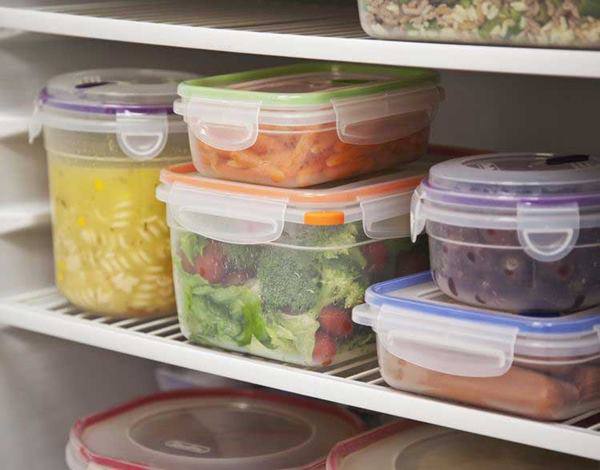
1. Storing Food in the Refrigerator for Too Long
One of the biggest misconceptions is that refrigeration can keep food safe forever. While cold temperatures slow bacterial growth, they do
not kill bacteria that are already present.
When food is stored too long:
-
Nutritional value gradually declines
-
Harmful bacteria may continue to multiply
-
Food may spoil without obvious signs such as smell or mold
Experts recommend that most refrigerated foods should not be kept for more than 4–5 days, including cooked dishes, meat, seafood,
vegetables, and fruits. Even frozen foods should not be stored indefinitely, as long-term freezing can affect quality and safety.
Equally important is temperature control:
-
The refrigerator compartment should be kept below 4°C (39°F)
-
The freezer should be maintained below –18°C (0°F)
Incorrect temperatures significantly increase the risk of foodborne illness.
2. Leaving Leftovers Uncovered or Poorly Sealed
Failing to properly cover food is another widespread mistake. Uncovered leftovers can:
-
Attract pests such as ants, cockroaches, or rodents
-
Absorb odors and bacteria from other foods
-
Become contaminated through airborne microbes
This habit can easily lead to digestive problems and food poisoning.
To reduce risk:
-
Always store leftovers in airtight, food-grade containers
-
Use containers designed specifically for refrigeration
-
Avoid single-use plastic containers, especially for freezing, as they may crack or leach chemicals at low temperatures
Proper sealing not only protects food but also keeps the refrigerator cleaner.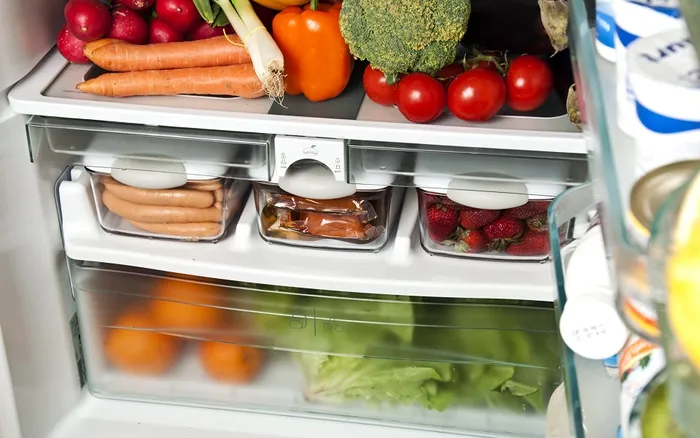
3. Overloading the Refrigerator
Many households buy large amounts of food at once to save time or money. While this seems practical, overcrowding the refrigerator can
do more harm than good.
When a fridge is overloaded:
-
Cold air cannot circulate evenly
-
Some areas stay too warm, while others overcool
-
Food spoils faster despite refrigeration
-
The refrigerator works harder, shortening its lifespan
To prevent this:
-
Store only what you realistically need
-
Leave space between items for airflow
-
Avoid blocking air vents inside the fridge
A well-organized refrigerator preserves food better and uses energy more efficiently.
4. Not Washing Fresh Meat Before Freezing
Fresh meat from markets or stores often comes into contact with multiple surfaces and may carry bacteria from handling or processing. Some
people avoid washing meat before freezing, worrying it may affect taste or texture.
In reality, not cleaning meat before freezing increases contamination risk.
Best practice includes:
-
Rinsing fresh meat briefly under clean water
-
Patting it dry with paper towels
-
Dividing into portions
-
Storing in sealed freezer bags or containers
This step helps reduce surface bacteria and improves food safety without affecting flavor when done correctly.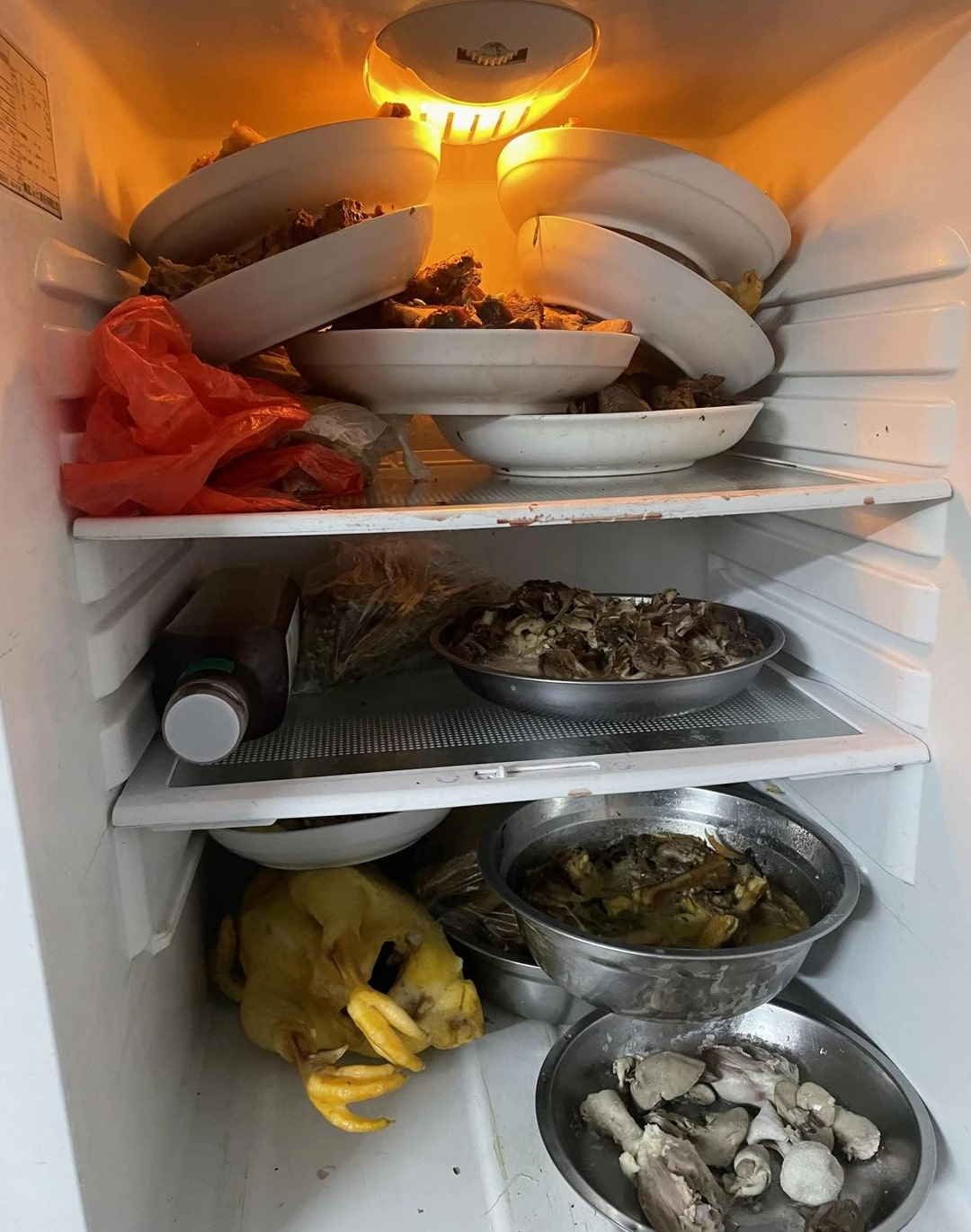
5. Neglecting Regular Refrigerator Cleaning
Many families focus only on wiping the outside of the refrigerator, overlooking the interior. This can be dangerous, as the fridge can become a
hidden breeding ground for bacteria.
Spilled liquids, spoiled food, and moisture create ideal conditions for microbial growth.
Experts recommend:
-
Cleaning the refrigerator at least once every two weeks
-
Immediately discarding spoiled or expired food
-
Wiping shelves, drawers, and door seals with mild disinfectant
-
Drying surfaces thoroughly before restocking
Regular cleaning not only protects food but also improves appliance performance.
Final Thoughts
A refrigerator is a powerful tool for food preservation - but only when used correctly. Storing food too long, failing to cover leftovers,
overcrowding shelves, skipping basic food hygiene, and neglecting cleaning can all quietly increase health risks.
By making small but consistent changes - monitoring storage time, sealing food properly, maintaining space, cleaning regularly, and handling
food safely - you can ensure your refrigerator truly protects your family’s health.
Food safety begins at home, and the refrigerator is one of the most important places to get it right.