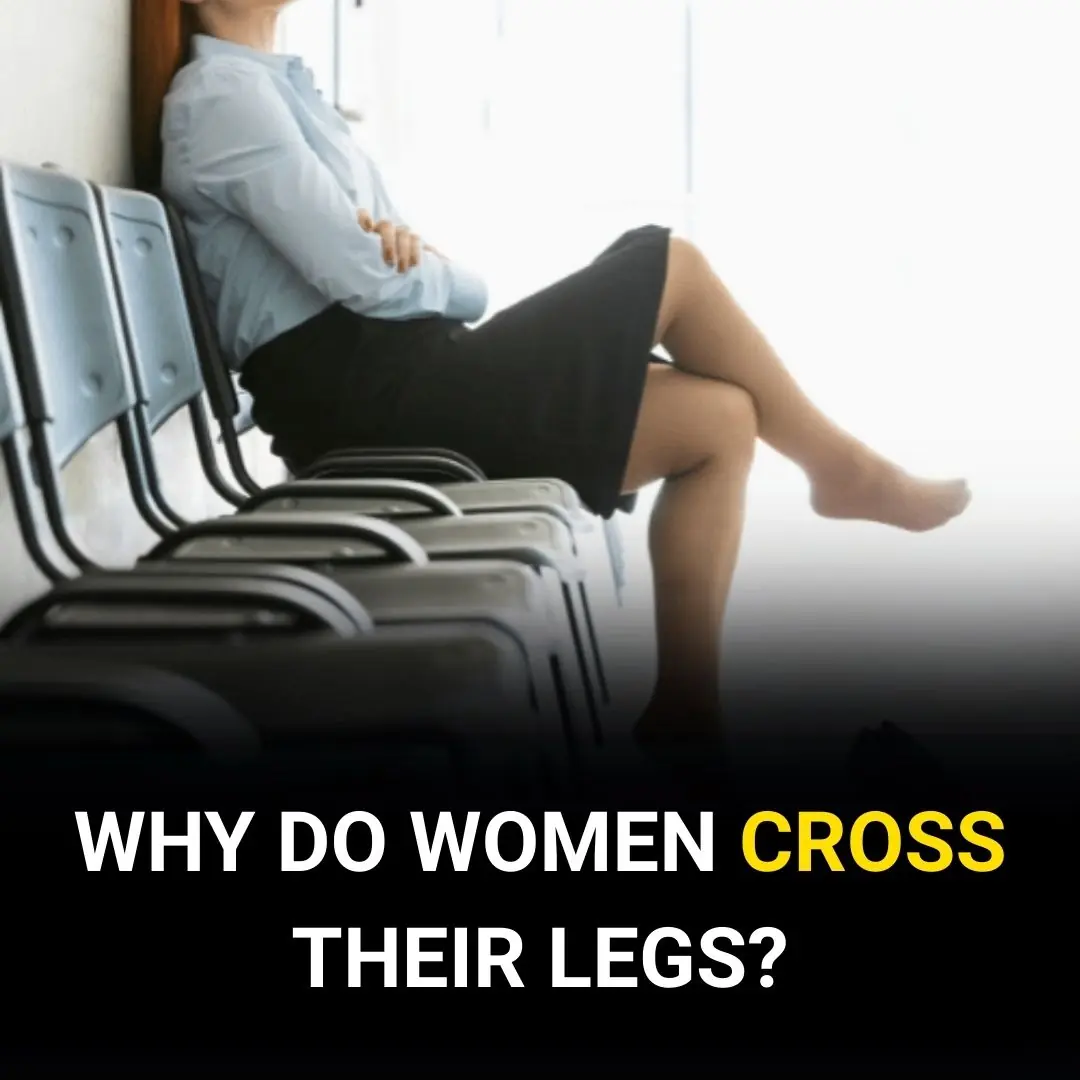
Why Do Women Cross Their Legs When Sitting?
Crossing one’s legs is a common sitting posture among women and is often done without much thought. However, psychologists, body-language experts, and sociologists suggest that this habit is influenced by a combination of history, culture, psychology, fashion, and social conditioning, rather than simple comfort alone.
1. Historical and Cultural Influence
For centuries, women were taught to sit in a way that appeared “proper,” modest, and feminine. In earlier times, long skirts and dresses made ankle- or knee-crossing the most socially acceptable way to sit. This posture helped maintain modesty and avoid unwanted exposure.
Even as clothing styles evolved, these norms remained deeply ingrained. Over time, crossing one’s legs became a learned behavior passed down through generations, often performed unconsciously.
2. Clothing and Practical Reasons
Fashion plays a significant role in posture. Skirts, dresses, and form-fitting clothing often encourage leg crossing as a way to sit more securely and comfortably.
Footwear also matters. High heels shift body weight forward, and crossing the legs can help redistribute pressure and provide temporary relief, especially during long periods of sitting.
3. Body Language and Psychological Comfort
From a body-language perspective, crossing the legs can signal various emotional states depending on context:
-
Creating a sense of personal space or boundary
-
Indicating modesty, reservation, or self-protection
-
Showing comfort or engagement in social situations
For many women, this posture offers a feeling of control and emotional ease, especially in unfamiliar or formal environments.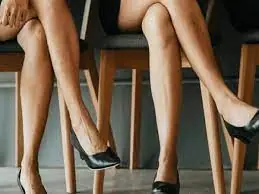
4. Gender Norms and Social Conditioning
From a young age, girls are often taught to “sit properly,” “keep their legs together,” or “take up less space.” These subtle messages reinforce the idea that women should appear contained and composed.
In contrast, men are generally not discouraged from sitting with legs spread apart. As a result, many women internalize leg-crossing as the “correct” or socially acceptable way to sit.
5. Personal Preference in Modern Society
In today’s world, comfort and individual choice play a larger role. Many women cross their legs simply because it feels natural or familiar, while others prefer different postures altogether.
Importantly, there is no single reason why women cross their legs. It is usually a blend of habit, social influence, and personal comfort.
6. Is Crossing Your Legs Bad for Your Health?
Occasional leg crossing is generally harmless. However, sitting this way for long periods may:
-
Cause temporary numbness or tingling
-
Increase pressure on the knees and hips
-
Contribute to posture or spinal alignment issues
Health experts recommend changing sitting positions regularly and maintaining a balanced posture to avoid discomfort or strain.
Conclusion
Women cross their legs not because of weakness or habit alone, but due to a complex mix of cultural expectations, learned behavior, psychological comfort, and practical considerations. This simple posture reflects how society has shaped women’s behavior over time.
Ultimately, how someone chooses to sit should be a matter of personal comfort and health—not social obligation.