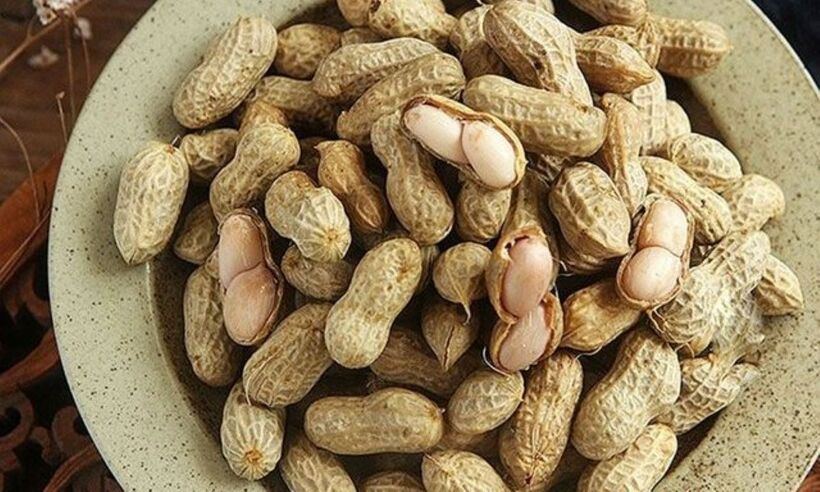
However, as with many nutritious foods, how you eat them — and how much — matters a lot. Eating peanuts incorrectly or in excessive amounts can lead to several unexpected health issues. Understanding both the benefits and potential risks can help you make smarter, healthier choices when enjoying this everyday snack.
🩺 Potential Health Problems Caused by Eating Peanuts
1. Allergic Reactions
Peanuts are one of the most common and potentially serious food allergens worldwide. For some people, even trace amounts can trigger severe reactions — including skin rashes, hives, swelling, digestive distress, or difficulty breathing.
In extreme cases, peanut allergies can lead to anaphylaxis, a life-threatening condition requiring immediate medical attention. People with known peanut allergies should avoid peanuts entirely and read food labels carefully to prevent accidental exposure.
2. Weight Gain
While peanuts contain “good” fats, they are also very calorie-dense — roughly 600 calories per 100 grams. A few handfuls can quickly add up, especially if eaten mindlessly during the day.
If you’re not balancing your calorie intake with regular physical activity, this can lead to gradual weight gain. Enjoy peanuts in moderation as part of a controlled diet, and avoid pairing them with sugary or fatty coatings such as chocolate or caramel.
3. Aflatoxin Exposure
Improperly stored peanuts can develop aflatoxin, a toxic compound produced by certain molds (Aspergillus flavus and A. parasiticus). Long-term aflatoxin exposure is linked to liver damage and increased risk of liver cancer.
To reduce this risk:
-
Always buy peanuts from trusted sources.
-
Store them in a cool, dry, airtight container.
-
Discard peanuts that taste bitter, smell musty, or appear discolored.
4. Digestive Issues
Overeating peanuts — especially without enough water — can cause bloating, gas, or constipation due to their high fat and fiber content. Salted or flavored varieties may also contain excess sodium, which can contribute to high blood pressure and water retention.
If you enjoy peanuts frequently, drink plenty of water and opt for unsalted versions to protect your digestion and cardiovascular health.
🌿 Health Benefits of Eating Peanuts (When Eaten in Moderation)
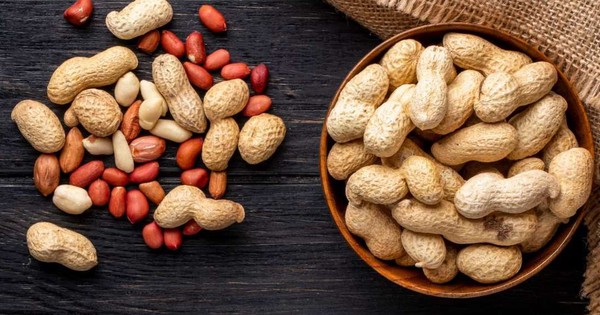
1. Supports Heart Health
Peanuts are rich in monounsaturated fats, similar to those found in olive oil, which help lower harmful LDL cholesterol levels. They also contain resveratrol, the same antioxidant compound found in red wine, known to protect against inflammation and heart disease.
Regular peanut consumption has been associated with a lower risk of coronary artery disease and improved blood vessel function.
2. Rich in Protein and Fiber
Peanuts are a nutrient-dense source of plant protein — around 25 grams per 100 grams — making them an excellent choice for vegetarians and athletes. The fiber content also promotes a feeling of fullness, helping curb overeating and aiding in healthy weight management when eaten sensibly.
3. Brain Booster
Peanuts contain niacin (vitamin B3) and vitamin E, two essential nutrients that support brain health. These vitamins enhance cognitive function, protect nerve cells, and may reduce the risk of neurodegenerative diseases such as Alzheimer’s and dementia.
Peanuts also contain small amounts of tryptophan, an amino acid that helps the body produce serotonin — the “feel-good” hormone — which can improve mood and focus.
4. Blood Sugar Regulation
Despite their high fat content, peanuts have a low glycemic index (GI), meaning they don’t cause sharp spikes in blood sugar. This makes them a smart snack for people with type 2 diabetes or insulin resistance.
Their combination of healthy fats, fiber, and protein helps slow down digestion and sugar absorption, keeping blood sugar levels stable throughout the day.
5. Promotes Healthy Skin and Hair
Peanuts are rich in biotin, zinc, and antioxidants — all crucial for healthy skin, nails, and hair. Vitamin E in peanuts helps protect the skin from oxidative stress and environmental damage, while biotin supports stronger hair growth and scalp health.
🍽️ How Much Is Safe to Eat?
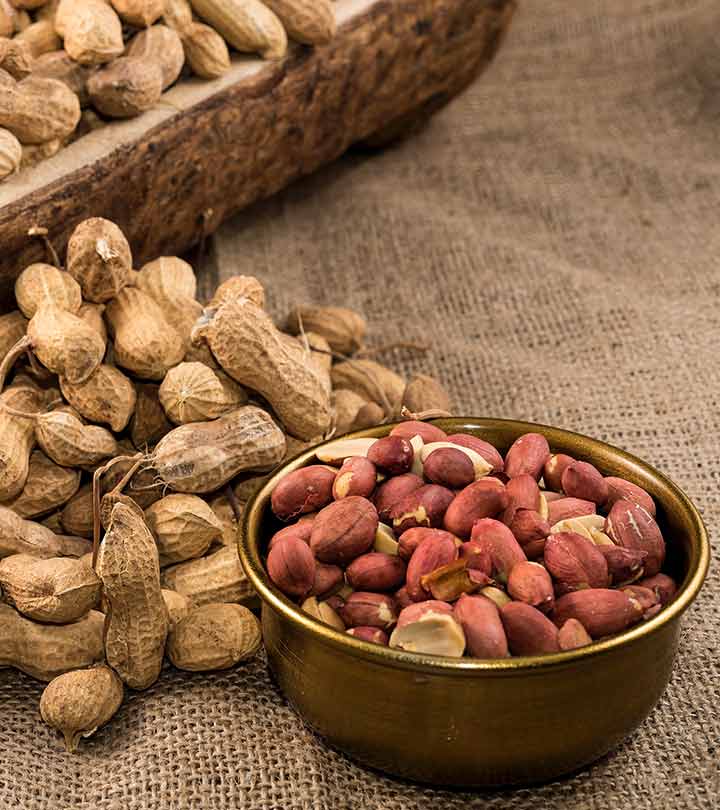
Nutritionists recommend keeping your intake to around one small handful per day — roughly 1 ounce (28–30 grams), or 30–35 peanuts.
✅ Best Choices:
-
Unsalted, dry-roasted, or raw peanuts are ideal.
-
Choose organic or high-quality peanuts whenever possible.
🚫 Avoid:
-
Salted, fried, honey-coated, or candied peanuts, which can add excess sodium, sugar, or unhealthy fats.
-
Flavored or packaged mixes, which may contain preservatives and artificial additives.
✅ In Summary
Peanuts are a nutritional powerhouse — rich in protein, fiber, and heart-healthy fats — but they’re also a food that demands moderation and mindfulness.
Eat them right, and they’ll nourish your heart, brain, skin, and energy levels. Eat too many, and they can contribute to unwanted calories, digestive discomfort, or even health risks from poor storage.
The key is quality, quantity, and balance:
-
Enjoy a small handful of fresh, unsalted peanuts daily.
-
Store them properly to prevent mold and aflatoxin contamination.
-
Pair them with fruits, yogurt, or whole grains for a balanced snack.
As the saying goes:
“Peanuts can be your best friend or your worst enemy — it all depends on how much you eat.”