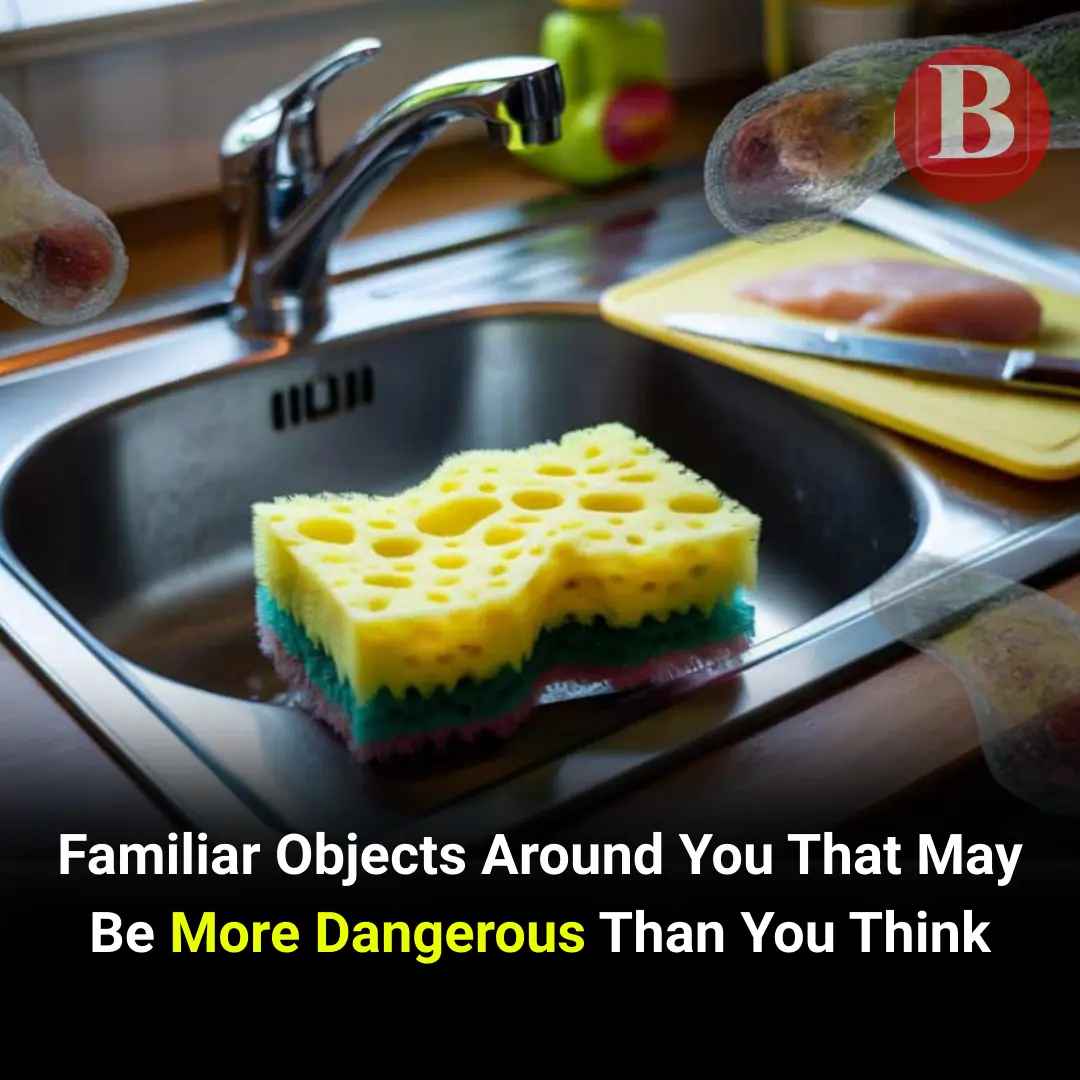
Everyday Objects Around Us That Hide Unexpected Dangers
We use them every day. We touch them, eat from them, and keep them close without a second thought.
Yet many familiar objects around us can carry hidden risks that few people ever consider.
They don’t look dangerous. That’s what makes them surprising.
1. Kitchen Sponges
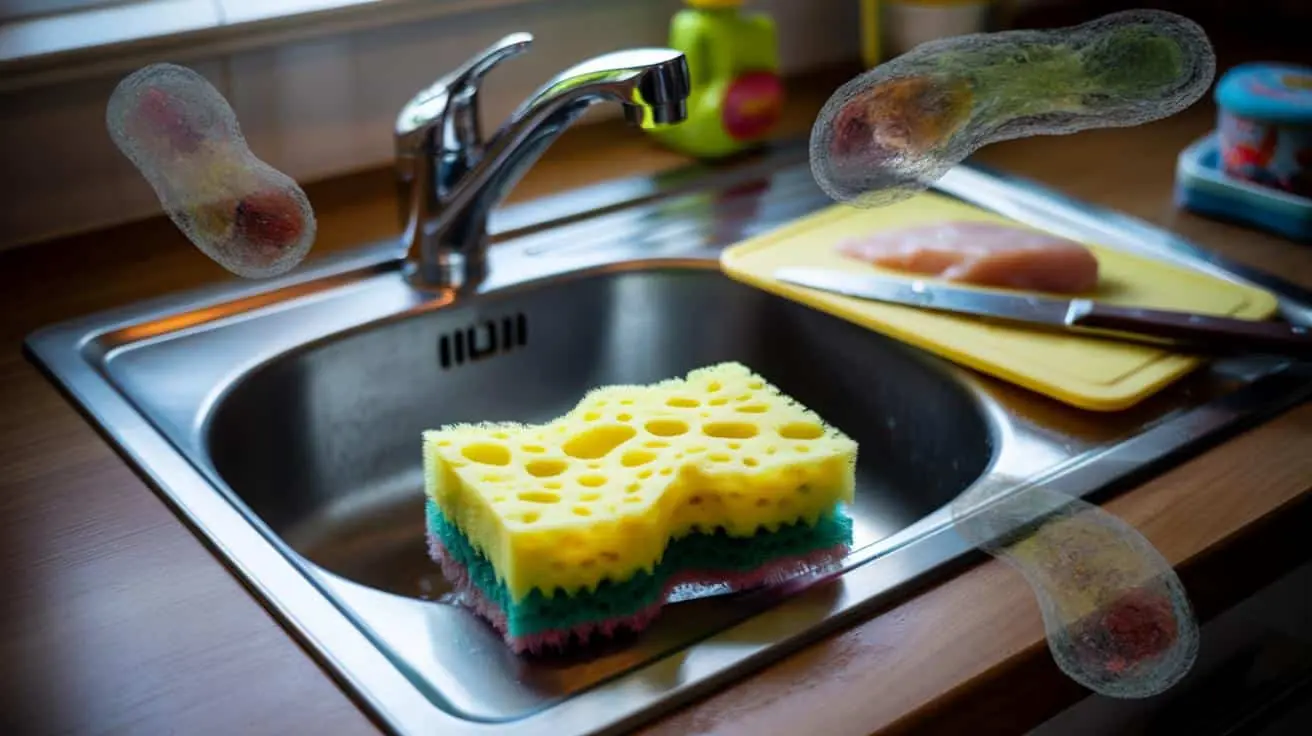
A simple sponge may look clean, but it can hold millions of bacteria. Warm, damp conditions make it the perfect place for germs to grow. Using an old sponge can spread bacteria across plates, countertops, and even your hands.
What to do: Replace sponges regularly or disinfect them often.
2. Plastic Food Containers
Many plastic containers release harmful chemicals when heated, especially in the microwave. Over time, these substances may enter food without any visible warning.
What to do: Use glass or ceramic containers when heating food.
3. Mobile Phones
Your phone goes everywhere—bathrooms, kitchens, public transport. Studies have shown that phones can carry more bacteria than many household surfaces.
What to do: Clean your phone regularly and avoid using it while eating.
4. Candles and Air Fresheners
Scented candles and sprays make rooms smell pleasant, but some release chemicals that can irritate the lungs or trigger headaches, especially in closed spaces.
What to do: Use them in moderation and ensure proper ventilation.
5. Old Pillows and Mattresses
Over time, pillows and mattresses collect dust mites, sweat, and allergens that may affect sleep quality and breathing.
What to do: Wash pillowcases often and replace pillows every few years.
6. Cutting Boards
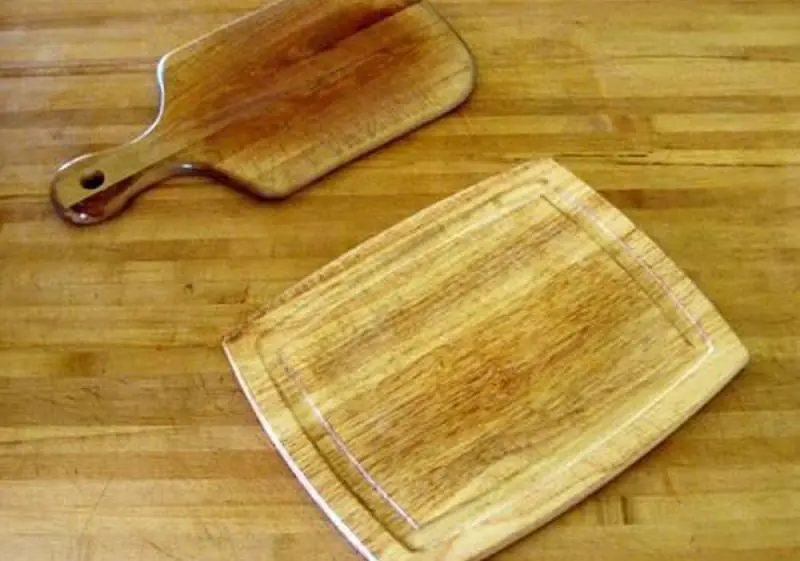
Wooden and plastic cutting boards can develop deep cuts that trap bacteria, especially when used for raw meat.
What to do: Use separate boards for raw and cooked foods and replace worn ones.
Why These Risks Are Easy to Miss
The danger isn’t obvious. These objects don’t cause immediate harm, so we rarely think about them. The effects often appear slowly, making the connection easy to overlook.
The Takeaway
Being aware doesn’t mean being afraid. Small changes—cleaning more carefully, replacing old items, and choosing safer alternatives—can reduce risks significantly.
Sometimes, the most familiar things around us deserve a closer look.