Itchy Skin with Unusual Bumps: What Your Body Might Be Telling You
Occasional itching is something most people experience, often caused by dry skin or minor irritation. But when itching is persistent and accompanied by visible bumps, it could be a sign that your body is reacting to something more significant.
Understanding the possible causes can help you respond appropriately and know when it’s time to seek medical advice.

Common Causes of Itchy Skin with Bumps
1. Allergic Reactions
One of the most frequent causes is an allergic reaction. This can be triggered by foods, medications, skincare products, or environmental factors like pollen or dust.
What it looks like:
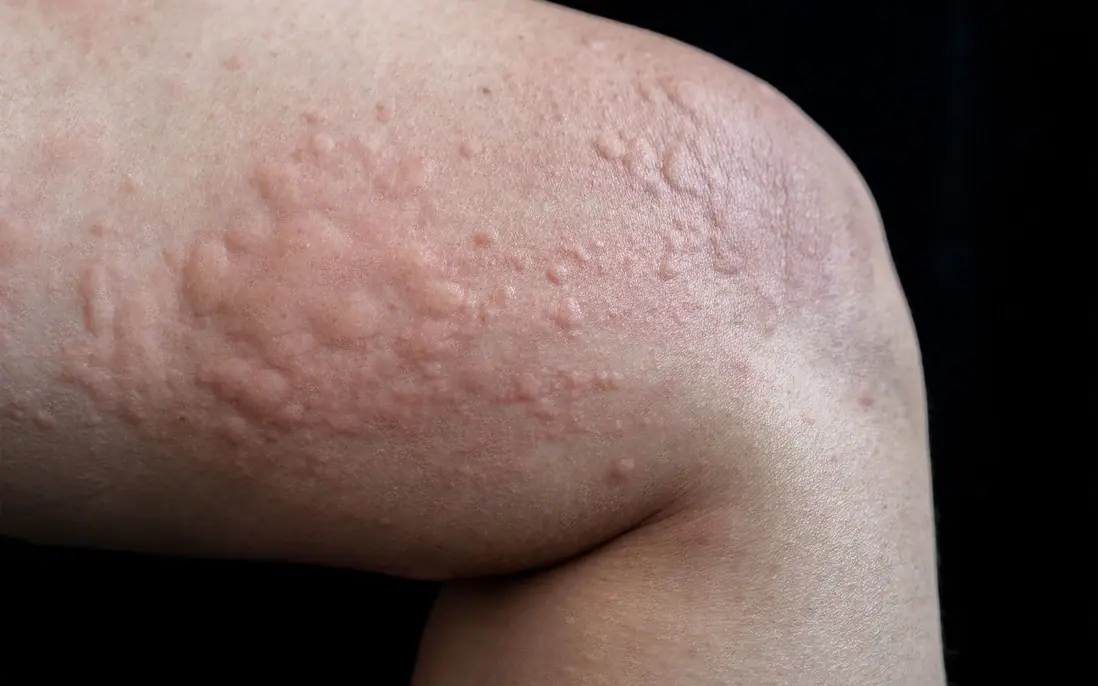
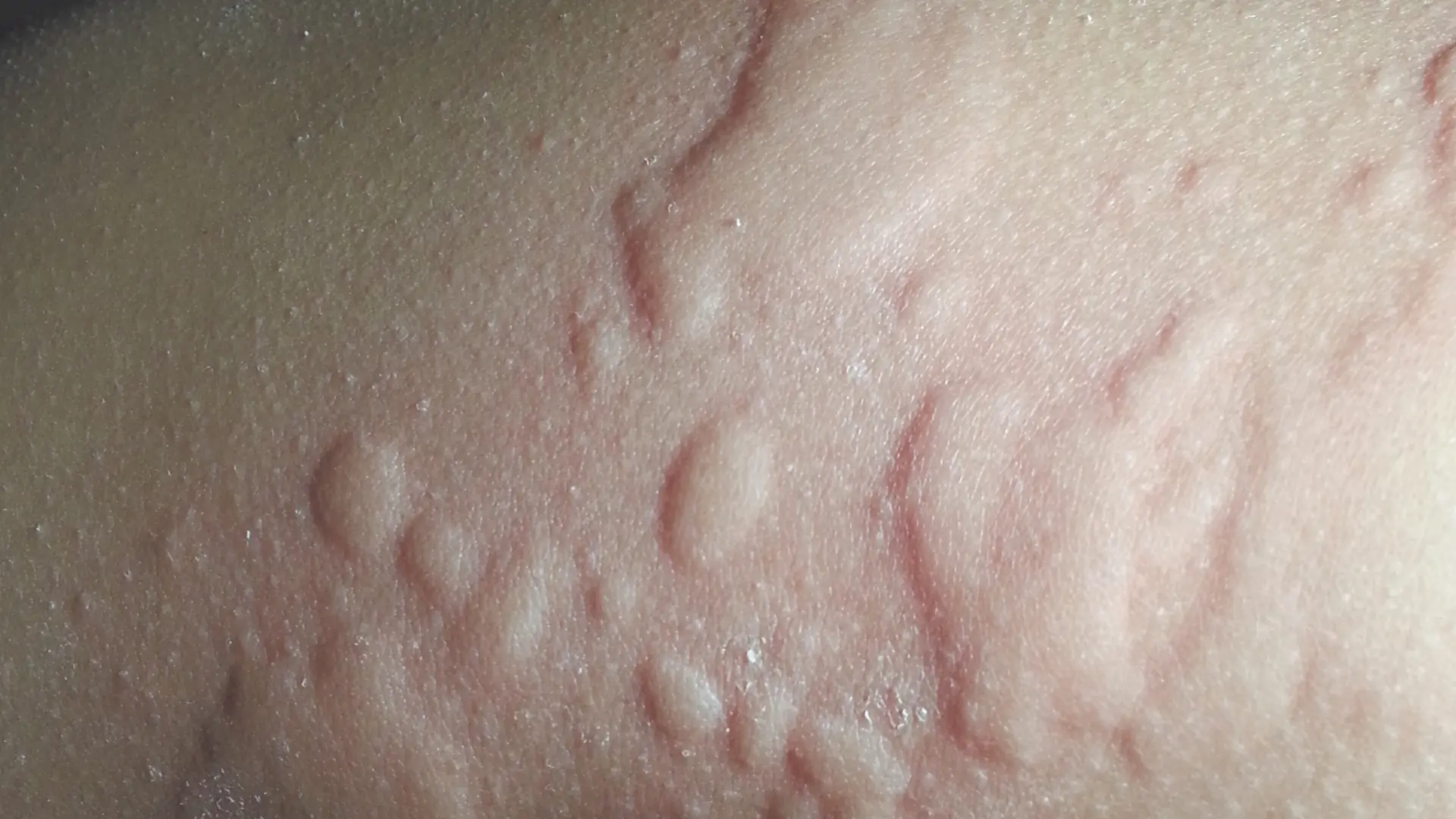
Red, raised, itchy bumps (often called hives) that may appear suddenly and spread.
2. Insect Bites
Mosquitoes, bed bugs, and other insects can leave behind itchy bumps on the skin.
What it looks like:
Small, raised bumps that may be clustered or appear in lines, often with redness and swelling.
3. Heat Rash
Hot and humid weather can block sweat glands, leading to irritation.
What it looks like:
Tiny red bumps, often in areas where sweat accumulates such as the neck, chest, or back.
4. Skin Conditions (Eczema or Dermatitis)
Chronic skin conditions can cause itching, inflammation, and bumps.
What it looks like:
Dry, scaly patches with redness and persistent itching, sometimes with small raised bumps.
5. Infections
Certain bacterial, viral, or fungal infections can affect the skin.
What it looks like:
Bumps that may be filled with fluid, spread over time, or be accompanied by other symptoms like fever.
6. Stress and Immune Response
Emotional stress can sometimes trigger skin reactions or worsen existing conditions.
What it looks like:
Unexplained itching or flare-ups without an obvious external cause.
When Should You Be Concerned?
You should consider seeing a healthcare professional if:
- The itching lasts more than a few days or keeps returning
- The bumps spread quickly or worsen
- There is pain, swelling, or signs of infection
- You develop fever or feel unwell
- The itching interferes with sleep or daily life
Simple Ways to Relieve Symptoms
While the underlying cause matters most, these steps may help reduce discomfort:
- Keep your skin clean and well-moisturized
- Avoid scratching, which can worsen irritation
- Use gentle, fragrance-free skincare products
- Apply cool compresses to soothe itching
- Wear loose, breathable clothing
Final Thoughts
Itchy skin with bumps is often harmless, but it shouldn’t be ignored—especially if it persists or worsens. Your skin is one of the first places your body shows signs of imbalance or irritation.
Pay attention to changes, take simple care measures, and don’t hesitate to seek medical advice when needed. Early attention can prevent minor issues from becoming more serious.
Itchy Skin with Unusual Bumps: Understanding the Hidden Causes, Warning Signs, and How to Protect Your Skin
Itchy skin accompanied by unusual bumps can be frustrating, uncomfortable, and sometimes worrying. While many cases are caused by temporary irritation, insect bites, or mild allergic reactions, persistent skin changes deserve closer attention. The appearance of the bumps, their location, how quickly they develop, and whether other symptoms occur can all provide useful clues.
The skin is the body's largest organ and serves as a protective barrier against the outside environment. It also contains immune cells, nerves, blood vessels, and glands that help regulate temperature and respond to potential threats. When something irritates or inflames the skin, these systems can produce itching, redness, swelling, or raised spots.
However, not every itchy rash has the same cause. A cluster of small bumps may result from an insect bite, while widespread raised welts could indicate hives. Tiny fluid-filled blisters might suggest eczema, contact dermatitis, or an infection. Some conditions look similar at first but require very different treatments.
Understanding these differences can help you avoid unnecessary treatments, recognize warning signs, and decide when professional medical advice is appropriate.
1. Understanding Why Itchy Bumps Develop
Itching, medically known as pruritus, is an uncomfortable sensation that creates the urge to scratch. It can occur in one small area or affect nearly the entire body.
The sensation is produced through communication between skin cells, immune chemicals, and specialized nerve fibers. When the skin is irritated or inflamed, certain substances, including histamine and other inflammatory mediators, can activate itch-sensitive nerves.
The body may respond by producing visible changes such as:
-
Redness caused by increased blood flow.
-
Swelling caused by fluid accumulating in the skin.
-
Raised bumps resulting from localized inflammation.
-
Small blisters containing clear fluid.
-
Dryness, scaling, or thickened skin after repeated scratching.
One important distinction is that itching and bumps do not always develop together. Some people experience severe itching without a visible rash, while others notice bumps that are only mildly uncomfortable.
The timing also matters. A rash that appears within minutes of exposure to a new product may have a different explanation from one that develops gradually over several weeks.
Doctors often consider several questions when evaluating itchy skin:
-
When did the symptoms begin?
-
Did the bumps appear suddenly or gradually?
-
Are they limited to one area or spread across the body?
-
Do individual bumps disappear and reappear elsewhere?
-
Is the itching worse at night?
-
Has there been exposure to new products, medications, plants, animals, or insects?
-
Are there other symptoms, such as fever, joint pain, swelling, or fatigue?
These details can help narrow down the possible causes.
2. Hives: When the Immune System Reacts
Hives, also called urticaria, are one of the most recognizable causes of sudden itchy bumps.
They typically appear as raised, swollen areas of skin that may be pink, red, or similar in color to the surrounding skin. Their size can range from tiny spots to large patches that merge together.
Hives often change shape and location. A raised area may disappear within hours while another develops somewhere else.
What triggers hives?
Hives occur when certain cells in the skin, particularly mast cells, release histamine and other inflammatory substances.
Possible triggers include:
-
Foods such as shellfish, peanuts, tree nuts, eggs, or milk.
-
Certain medications, including some antibiotics and pain relievers.
-
Viral or bacterial infections.
-
Insect stings.
-
Physical pressure on the skin.
-
Heat, cold, or exercise.
-
Emotional stress in some individuals.
Sometimes, no clear trigger can be identified.
It is also important to understand that not all hives are caused by food allergies. Infections and physical factors can produce similar reactions.
Acute and chronic hives
Hives are commonly classified according to how long the condition continues.
Acute urticaria lasts less than six weeks. It may develop after an infection, medication exposure, or allergic reaction.
Chronic urticaria involves recurrent episodes over more than six weeks. In many cases, no single external trigger can be identified. Some chronic cases are associated with autoimmune mechanisms.
When are hives dangerous?
Most episodes of hives affect only the skin. However, hives accompanied by swelling of the tongue or throat, difficulty breathing, wheezing, faintness, or severe dizziness may indicate anaphylaxis.
Anaphylaxis is a medical emergency. It can progress rapidly and requires immediate emergency treatment. Anyone who has been prescribed an epinephrine auto-injector should use it according to their emergency action plan and seek emergency medical care.