Waking up with a dry mouth might seem like a minor inconvenience, but doctors say it can be a sign of underlying health or lifestyle issues. Medically known as xerostomia, dry mouth occurs when your salivary glands don’t produce enough saliva.
While occasional dryness is normal—especially since saliva production naturally decreases during sleep—it becomes a concern when it happens frequently or disrupts your rest.
Here are eight common reasons why your mouth may feel dry at night—and what your body might be trying to tell you.
1. Dehydration
One of the most common causes is simply not drinking enough water. When your body lacks fluids, saliva production drops, leading to dryness during sleep.
Even mild dehydration can make your mouth feel sticky, your throat dry, and your lips cracked by morning.
2. Mouth Breathing While Sleeping

 4
4
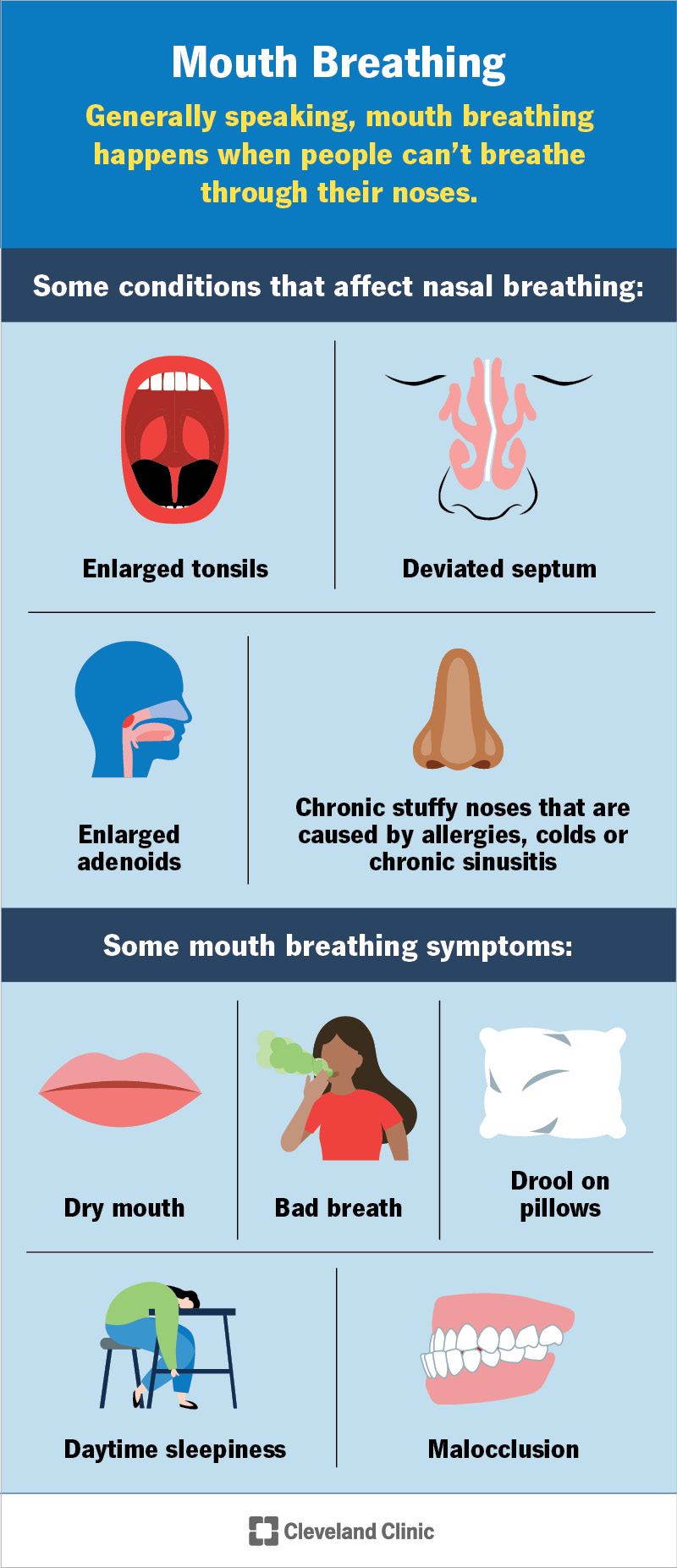
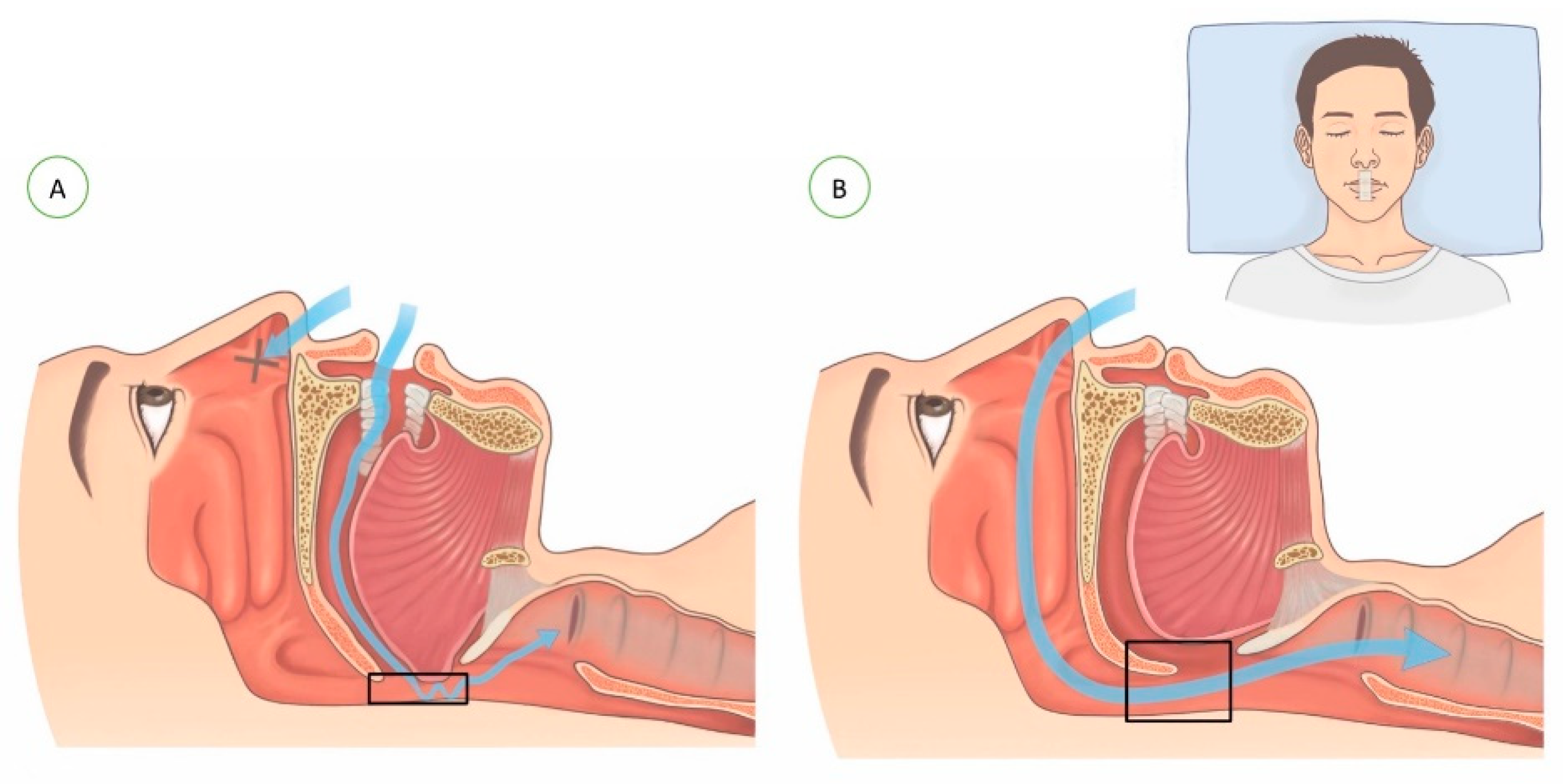
Breathing through your mouth instead of your nose is a major trigger. This often happens if you have nasal congestion, snoring habits, or sleep apnea.
Constant airflow dries out saliva, leaving your mouth parched by morning.
3. Medication Side Effects
Many common medications—such as antihistamines, antidepressants, and blood pressure drugs—can reduce saliva production.
If you started experiencing dry mouth after beginning a new medication, this could be the cause.
4. Sleep Apnea
Sleep apnea doesn’t just affect breathing—it can also lead to severe dry mouth. This condition causes interrupted breathing during sleep, often forcing people to breathe through their mouths.
As a result, both sleep quality and oral moisture are affected.
5. Alcohol and Caffeine


 4
4
Both alcohol and caffeine have dehydrating effects. They can interfere with saliva production and make dryness worse—especially if consumed in the evening.
Cutting back on these drinks before bedtime can help reduce symptoms.
6. Underlying Health Conditions
Certain medical conditions, such as diabetes or autoimmune diseases like Sjögren’s syndrome, can directly affect salivary glands.
If dry mouth is persistent and accompanied by other symptoms, it may require medical evaluation.
7. Poor Oral Health

 4
4
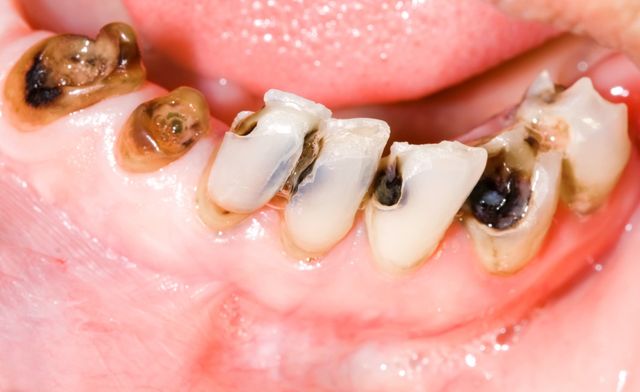
Oral health problems like gum disease or tooth decay can contribute to dry mouth. Infections or inflammation may disrupt normal saliva production.
Additionally, a dry mouth can worsen these conditions, creating a cycle of discomfort and damage.
8. Smoking and Lifestyle Habits
Smoking, alcohol use, and even certain recreational drugs can significantly reduce saliva production.
These habits not only dry out the mouth but also increase the risk of dental problems and long-term health issues.
Why It Matters
Dry mouth is more than just uncomfortable—it can lead to serious oral health problems. Without enough saliva, your mouth becomes more vulnerable to bacteria, increasing the risk of cavities, gum disease, and infections.