Sweet potatoes are often treated as one of those foods that can do almost everything right.
They are naturally sweet, colorful, filling, and easy to prepare. They can be roasted, steamed, boiled, baked, or added to soups and other dishes. They also provide fiber, potassium, beta-carotene in orange varieties, and other nutrients that can fit well into a balanced diet.
For many people, sweet potatoes are an excellent addition to meals.
But healthy food does not automatically mean healthy in every situation, in every amount, for every person.
There are circumstances when eating a large serving of sweet potatoes may not be the best choice. Sometimes the issue is your digestive system. In other cases, it may be related to a medical condition that affects how your body handles potassium.
And there is another important point: you do not necessarily have to eliminate sweet potatoes completely.
In many cases, the better approach is to reduce the portion, change the preparation, or temporarily choose another food until the underlying issue is better understood.
So what are the two situations worth knowing about?
Let's take a closer look.
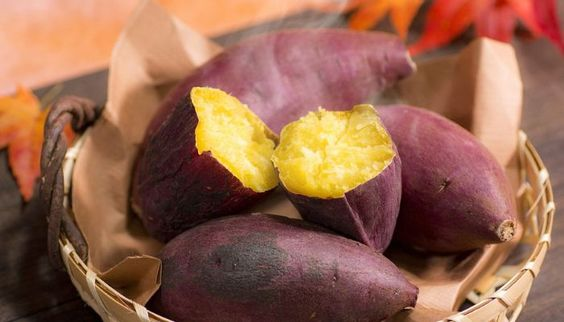
Why Sweet Potatoes Are Considered Nutritious
Before discussing when to limit them, it is worth understanding why sweet potatoes are so popular.
Sweet potatoes contain carbohydrates, which provide energy.
They also provide dietary fiber, which supports normal digestive function.
Orange-fleshed sweet potatoes are particularly rich in beta-carotene, which the body can convert to vitamin A. Vitamin A is involved in normal vision, immune function, and maintenance of tissues.
Sweet potatoes also provide potassium and other micronutrients.
Their nutritional profile can vary depending on the variety and preparation method, but in general, they can be a useful alternative to more highly processed carbohydrate foods.
For example, compare a plain baked sweet potato with a highly processed snack made with refined flour and added sugars.
The sweet potato offers more nutritional value and more fiber.
That is why, for most healthy people, there is no reason to be afraid of this food.
The problem comes when a healthy food is treated as though it is appropriate without exception.
1. You May Want to Limit Sweet Potatoes During a Digestive Flare-Up
The first situation involves people who are already experiencing significant digestive discomfort, particularly when high-fiber foods seem to make symptoms worse.
Sweet potatoes contain dietary fiber.
Fiber is generally beneficial.
But when the digestive system is irritated or unusually sensitive, a large amount of fiber may not feel comfortable.
Some people may notice:
- Bloating
- Gas
- Abdominal fullness
- Cramping
- Changes in bowel movements
- A feeling of heaviness after eating
This does not mean sweet potatoes are “bad for digestion.”
It means your digestive system may not tolerate a large serving at that particular moment.
Why Fiber Can Sometimes Make You Feel Worse
Fiber is not one single substance.
Different types of fiber behave differently in the digestive tract.
Some fibers add bulk.
Others are fermented by microorganisms in the colon.
During fermentation, gas can be produced.
For someone with a healthy digestive system, this is generally part of normal digestion.
But if you already have significant bloating, irritable bowel symptoms, or another gastrointestinal problem, adding a large portion of fiber at once can sometimes make you feel worse rather than better.
This can be particularly noticeable if your normal diet is relatively low in fiber and you suddenly start eating large amounts of vegetables, beans, whole grains, and sweet potatoes.
The problem isn't necessarily the food.
The change may simply be too rapid.
A Huge Sweet Potato May Be Different From a Small Serving
Portion size matters.
Eating a moderate serving alongside protein and vegetables is very different from eating a very large sweet potato by itself.
Large portions mean more carbohydrates and more fiber.
If your digestive system is already sensitive, that can increase the likelihood of discomfort.
A practical experiment is to reduce the portion.
Instead of eating an enormous baked sweet potato, try a smaller serving and see whether your symptoms change.
If you tolerate the smaller amount but not the larger one, portion size may be part of the issue.
People With IBS May Need to Pay Attention to Tolerance
People with irritable bowel syndrome (IBS) often notice that certain foods trigger bloating, abdominal pain, diarrhea, or constipation.
There is no single IBS diet that works for everyone.
Some people tolerate sweet potatoes very well.
Others may find that larger servings contribute to symptoms.
The amount you eat can matter because certain carbohydrates become more problematic for some people at higher portions.
That's why randomly eliminating sweet potatoes—and dozens of other foods—can be counterproductive.
A structured approach is usually more useful.
If you have recurrent digestive symptoms, a doctor or registered dietitian can help you identify triggers while preserving as much dietary variety as possible.
What If You Have Diarrhea?
This is another situation where you may temporarily prefer simpler, lower-fiber foods depending on the cause and severity of the diarrhea.
When the digestive tract is already moving rapidly, large amounts of certain fibers may not be comfortable for everyone.
However, there is no universal rule that sweet potatoes must be avoided during diarrhea.
The underlying cause matters.
A short-lived stomach infection is different from chronic inflammatory bowel disease.
Food poisoning is different from IBS.
Medication-related diarrhea is different again.
The key is to avoid turning one general nutrition tip into a rigid rule.
If you are acutely ill, hydration is usually a more immediate priority than trying to maximize vegetable variety.
What If You Have Constipation Instead?
Interestingly, the opposite can also happen.
For some people, the fiber in sweet potatoes may support regular bowel movements.