Its nutritional benefits are more than enough.
Could Eating Too Many Sweet Potatoes Cause Problems?
For most healthy people, eating sweet potatoes regularly is not a reason for concern.
But consuming very large amounts can increase your intake of:
- Calories
- Carbohydrates
- Fiber
- Potassium
Depending on your health status, those factors can matter.
Someone trying to manage blood glucose may need to pay attention to carbohydrates.
Someone managing calories may need to watch portion size.
Someone with severe kidney disease may need to monitor potassium.
Someone with a sensitive digestive system may need to limit large fiber loads.
Same food.
Different context.
The Two Situations to Remember
Let's make the main point simple.
Situation #1: Your Digestive System Is Already Sensitive
If you are experiencing a digestive flare-up, significant bloating, diarrhea, abdominal discomfort, or other symptoms that worsen with higher-fiber foods, a large serving of sweet potato may not feel good.
In that situation, consider:
- Smaller portions
- Simpler preparation
- Gradually increasing fiber later
- Keeping a food diary
- Getting medical advice if symptoms persist
You don't necessarily need to eliminate sweet potatoes permanently.
Situation #2: You've Been Told to Restrict Potassium
If you have advanced kidney disease, high blood potassium, or another medical reason to limit potassium, sweet potatoes may need to be restricted depending on your individual plan.
In this situation:
Don't guess.
Ask your healthcare professional or renal dietitian how much is appropriate.
Do not assume boiling completely removes the concern.
Do not stop medication.
Do not follow a generic online “kidney diet” without considering your laboratory results and treatment plan.
When You Should Seek Medical Advice
Digestive symptoms shouldn't always be blamed on food.
See a healthcare professional if you have:
Persistent abdominal pain
Unexplained weight loss
Blood in your stool
Black, tarry stool
Repeated vomiting
Persistent diarrhea
Severe constipation
Difficulty swallowing
Symptoms that keep getting worse
Those symptoms can have many causes, and identifying the actual cause is more useful than eliminating foods at random.
A Good Rule for Healthy Eating
Instead of asking:
“Can I eat sweet potatoes?”
Try asking:
“How do sweet potatoes fit into my health situation?”
For most people, the answer may be:
“They fit perfectly well.”
For someone with severe kidney disease:
“Portion and potassium may need careful management.”
For someone with a sensitive digestive system:
“Smaller portions and preparation may matter.”
For someone with diabetes:
“Carbohydrate portion and the rest of the meal matter.”
That's a much more useful way to think about food.
The Bottom Line
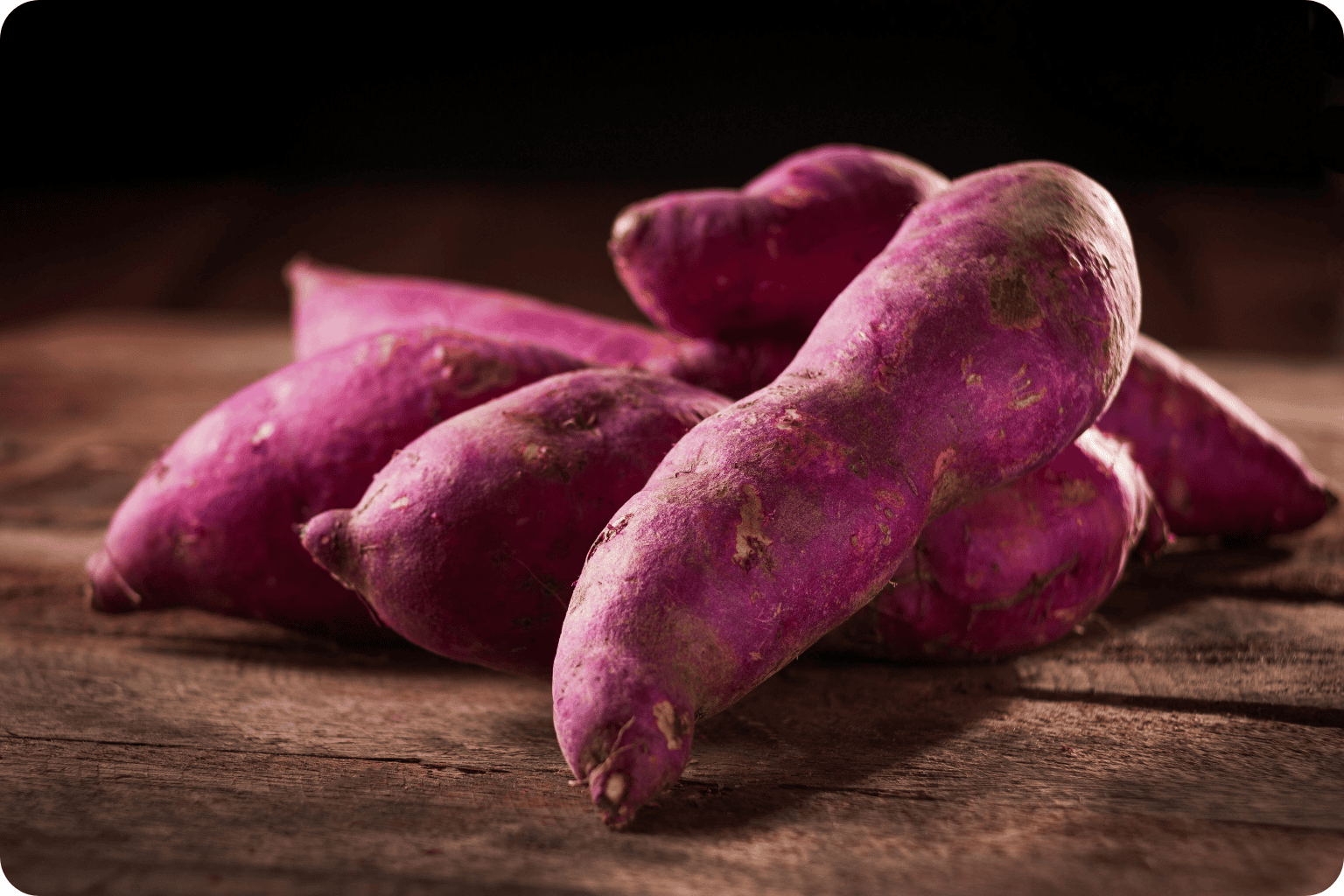
Sweet potatoes are genuinely nutritious for many people. They provide carbohydrates, fiber, potassium, and other beneficial nutrients, and orange varieties provide significant amounts of beta-carotene.
But even healthy foods are not automatically right in every circumstance.
There are two situations when you may want to skip or limit sweet potatoes:
First, when your digestive system is already experiencing significant problems and high-fiber foods seem to worsen your symptoms. A large serving may contribute to bloating, gas, fullness, or changes in bowel habits. In many cases, the solution is not permanent avoidance but reducing the portion, simplifying the preparation, and reintroducing the food according to your tolerance.
Second, when you have been specifically instructed to restrict potassium because of kidney disease, elevated blood potassium, or another medical condition affecting potassium balance. Sweet potatoes contain substantial potassium, so the appropriate portion may be different for you than for a healthy person.
Outside of those situations, there is generally no reason to fear sweet potatoes.
They don't need to be treated as a miracle food.
They don't need to be avoided simply because they taste sweet.
And they don't need to disappear from your plate just because someone online claims they are “bad at night.”
The smarter approach is to pay attention to portion size, preparation, your digestive response, and your individual medical needs.
A plain sweet potato alongside vegetables and a source of protein can be a nutritious meal.
But nutrition is never just about whether a food is “good” or “bad.”
It is about whether that food is right for you, in that amount, at that time, and within the context of your overall health.
And that may be the most useful thing to remember the next time you reach for one:
Sweet potatoes can be a healthy choice for many people—but your body and your medical needs should always have the final say.