Why Potassium Matters So Much
Potassium is important for normal heart and muscle function.
Under normal circumstances, the body maintains potassium within a relatively narrow range.
The kidneys play a major role in that regulation.
If the kidneys cannot remove enough potassium, levels can rise.
Sometimes a person with high potassium may not feel anything unusual.
That's part of what makes the problem concerning.
Severe hyperkalemia can affect the heart rhythm and become a medical emergency.
The issue isn't that potassium itself is bad.
The issue is too much potassium in a person whose body cannot safely regulate it.
Sweet Potatoes Are Not the Only Potassium-Rich Food
This is another reason not to focus entirely on one food.
Potassium can also be found in foods such as:
- Potatoes
- Beans
- Lentils
- Tomatoes
- Some dried fruits
- Leafy greens
- Avocados
- Bananas
- Certain dairy products
- Fish
- Many other fruits and vegetables
If someone needs to restrict potassium, the entire diet needs to be considered.
Eliminating sweet potatoes while continuing to consume large quantities of other potassium-rich foods may not solve the underlying problem.
A renal dietitian can help create an eating pattern that meets nutritional needs while keeping potassium within the desired range.
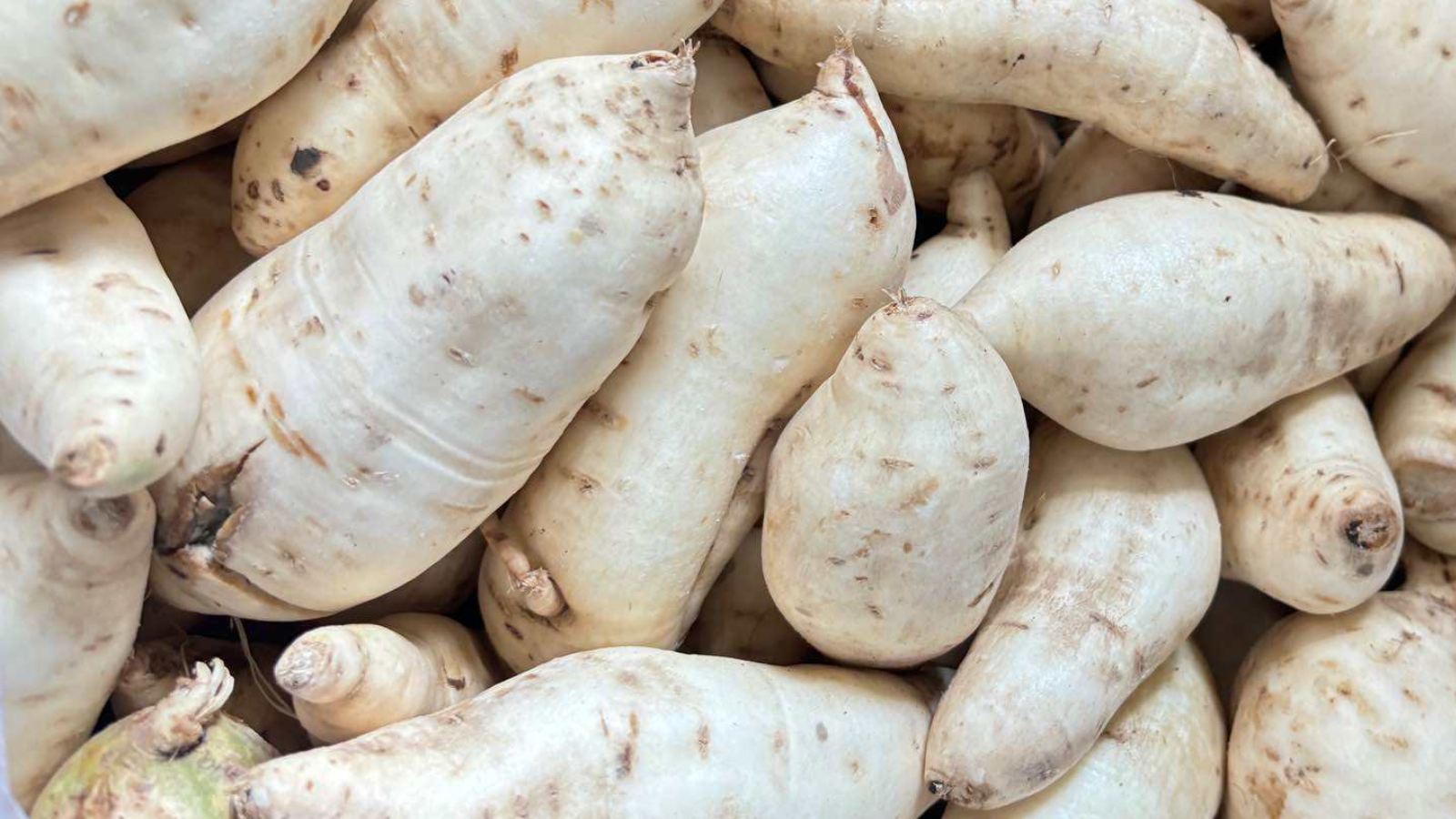
What About Soaking or Boiling Sweet Potatoes?
You may hear advice that soaking or boiling high-potassium vegetables can reduce their potassium content.
There is some truth to the general principle that certain cooking and preparation methods can reduce potassium in some foods, particularly when pieces are cut, soaked, and boiled in plenty of water and the cooking water is discarded.
But the effectiveness varies with the food, preparation method, and amount of potassium involved.
This should not be treated as a guarantee that a high-potassium food becomes “safe” simply because it was boiled.
For someone who has been specifically instructed to follow a potassium-restricted diet, preparation methods should be discussed with their healthcare team or renal dietitian.
Don't Try to Manage High Potassium on Your Own
If you have kidney disease, don't assume you can accurately estimate your potassium needs from an internet food list.
Your doctor may monitor your blood potassium through laboratory testing.
Medication changes may also affect potassium.
Some blood-pressure and heart medications, for example, can contribute to higher potassium levels in certain people.
That means diet and medication management can overlap.
If you are worried about potassium, get personalized guidance.
Sweet Potatoes and Blood Sugar
Another topic that sometimes causes confusion is blood glucose.
Sweet potatoes taste sweet, so some people assume they must be unhealthy for people with diabetes.
That's too simplistic.
Sweet potatoes contain carbohydrates, so they can affect blood glucose.
But they also contain fiber and other nutrients.
The effect of a meal depends on portion size, preparation, ripeness, what else is eaten, and individual glucose response.
For many people with diabetes, sweet potatoes can fit into an overall balanced eating pattern.
The important thing is not to assume:
Sweet = forbidden.
Or:
Natural = unlimited.
Neither is accurate.
How Preparation Changes the Meal
A plain baked sweet potato is one thing.
Sweet potato fries covered in salt and served with a sugary sauce are another.
Mashed sweet potatoes with large amounts of butter and cream create another nutritional profile.
A sweet potato casserole with added sugar is another.
This is why “sweet potato” doesn't describe one single type of meal.
When evaluating its effects, think about the entire recipe.
Could Sweet Potatoes Cause a Blood Sugar Spike?
They can contribute to an increase in blood glucose because they contain carbohydrate.
How much of an increase depends on multiple factors.
A person eating a large serving on an empty stomach may have a different response from someone eating a modest portion with protein, vegetables, and healthy fats.
Cooking method can also influence how quickly carbohydrates are digested.
If you have diabetes, the most useful approach is to consider portion sizes and monitor your individual response as recommended by your healthcare team.
Do not assume you need to remove sweet potatoes entirely.
Sweet Potatoes and Weight Management
Sweet potatoes often appear in weight-loss diets.
And they can be a useful carbohydrate source.
Their fiber can contribute to fullness.
They are generally more nutrient-dense than many refined snack foods.
But a large sweet potato still contributes calories and carbohydrates.
Adding large portions of sweet potatoes to an already calorie-dense diet won't automatically support weight loss.
As with almost every food, portion size and the rest of the meal matter.
Why “Healthy” Foods Can Still Be Too Much
There's a common psychological trap that happens when a food gains a reputation for being healthy.
People start thinking:
“Since this is healthy, more must be better.”