That is not reliable reporting.
The danger of assigning guilt too early
A headline suggesting that a father played an unexpected role can lead readers to draw conclusions before the facts are known.
But the father's role could involve many different circumstances.
He may have provided information, helped searchers, been interviewed, or become the subject of further inquiries. The supplied report does not explain which of these possibilities applies.
Calling someone guilty without evidence can harm that person and others connected to the case. It can also distract from the child's welfare and the work of investigators.
A responsible article should distinguish clearly between confirmed information, allegations, and unanswered questions.
Protecting the child's identity
Children involved in missing-person cases deserve particular privacy.
Publishing their names, photographs, school details, or personal information can create lasting consequences.
Even when a child has been found, public attention may continue long after the immediate emergency has ended.
The child's privacy should not be sacrificed simply because the story has attracted online interest.
Respecting the work of volunteers
The report specifically praises the volunteers and search teams who helped bring the situation to a safe conclusion.
That recognition is important.
Searching for a missing child can involve physical effort, difficult terrain, uncertainty, and emotional strain. Volunteers may spend hours checking areas while families wait for news.
Their work should be acknowledged accurately, without inventing details about the number of participants or the equipment used.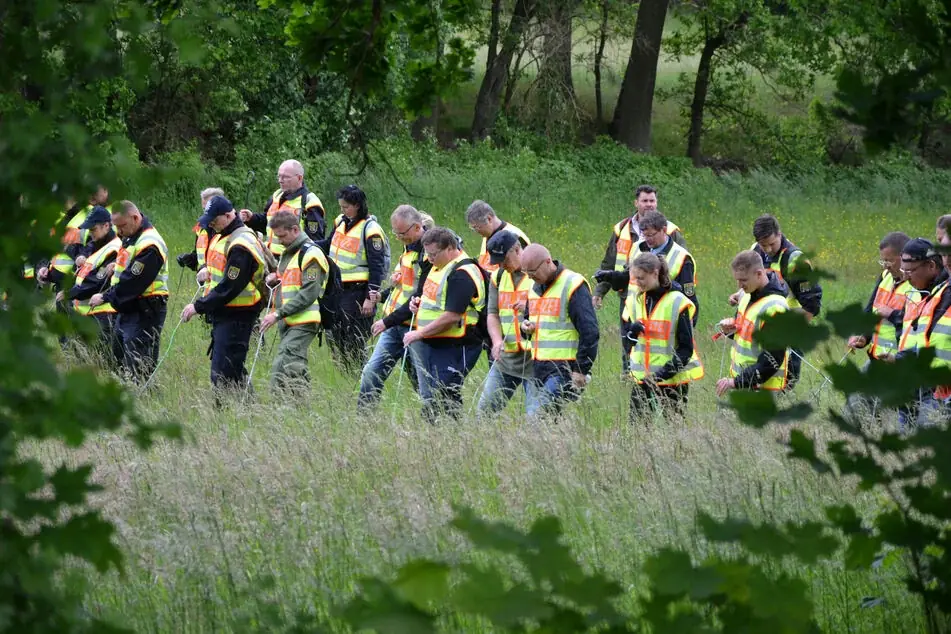
Why readers should wait for verified updates
A responsible reader should look for information from official authorities or established news organizations before accepting dramatic claims.
Important details include whether authorities have confirmed the child's condition, whether the father has been formally accused of anything, and whether investigators have released a clear explanation of the incident.
If no such information is available, the honest answer is that the matter remains unresolved.
Waiting for confirmation is not ignoring the story. It is respecting the difference between a developing investigation and a completed finding.
Chapter 8: The Larger Lesson About Child Safety
Whatever the final explanation for this particular disappearance, the report highlights issues that matter to families and communities: communication, supervision, prompt reporting, organized searches, and the need to protect children from avoidable risks.
These lessons should be discussed without turning an incomplete account into a judgment about one family.
Clear communication between caregivers
Children may spend time with parents, relatives, babysitters, teachers, and other trusted adults.
When responsibility for a child's care changes from one person to another, clear communication is important.
Adults should understand who is responsible for supervision, where the child is expected to be, and what arrangements apply if plans change.
Small misunderstandings can become serious when no one realizes that a child is missing.
Age-appropriate supervision
Children develop different levels of independence as they grow.
A child who can safely play in a familiar enclosed garden may not be ready to explore an unfamiliar wooded area alone.
Parents and caregivers should consider the child's age, maturity, awareness of danger, and ability to ask for help.
Supervision should be appropriate to the environment, not simply based on assumptions about what a child can do.
Teaching children basic safety information
Children can benefit from simple, age-appropriate safety guidance.
They should know how to contact a trusted adult, what to do if they become separated from a caregiver, and why they should avoid entering unfamiliar or dangerous places.
They should also understand that they can ask for help from an appropriate authority figure if they feel lost or unsafe.
The aim is not to frighten children. It is to give them practical steps they can remember.
Knowing the local environment
Families can help children understand the boundaries of places where they play.
This may include identifying roads, waterways, wooded areas, construction sites, steep slopes, and other hazards.
Adults should also know which areas are accessible from the home, school, or playground.
A familiar environment can still contain hidden dangers.
Acting promptly when a child is missing
If a child cannot be located and there is reason to believe they may be in danger, caregivers should contact local emergency services promptly.
They should provide accurate information and follow instructions from authorities.
Waiting because of embarrassment, uncertainty, or fear of causing trouble can delay a response.
The appropriate action is to seek help when a child's safety may be at risk.
Supporting a child after a frightening experience
A child who has been missing may need reassurance and time to recover.
Adults should listen without blame and avoid treating the child as responsible for the distress experienced by others.
If the child has difficulty sleeping, becomes unusually fearful, or shows other concerning changes, caregivers can seek advice from qualified health or child-support professionals.
The response should be guided by the child's individual needs.
Supporting the wider family
Families may need practical help after a missing-child emergency.
This can include assistance with daily routines, transport, childcare for siblings, or access to professional support.
Community members can help by respecting privacy and avoiding speculation.
A supportive environment is often more useful than repeated demands for explanations.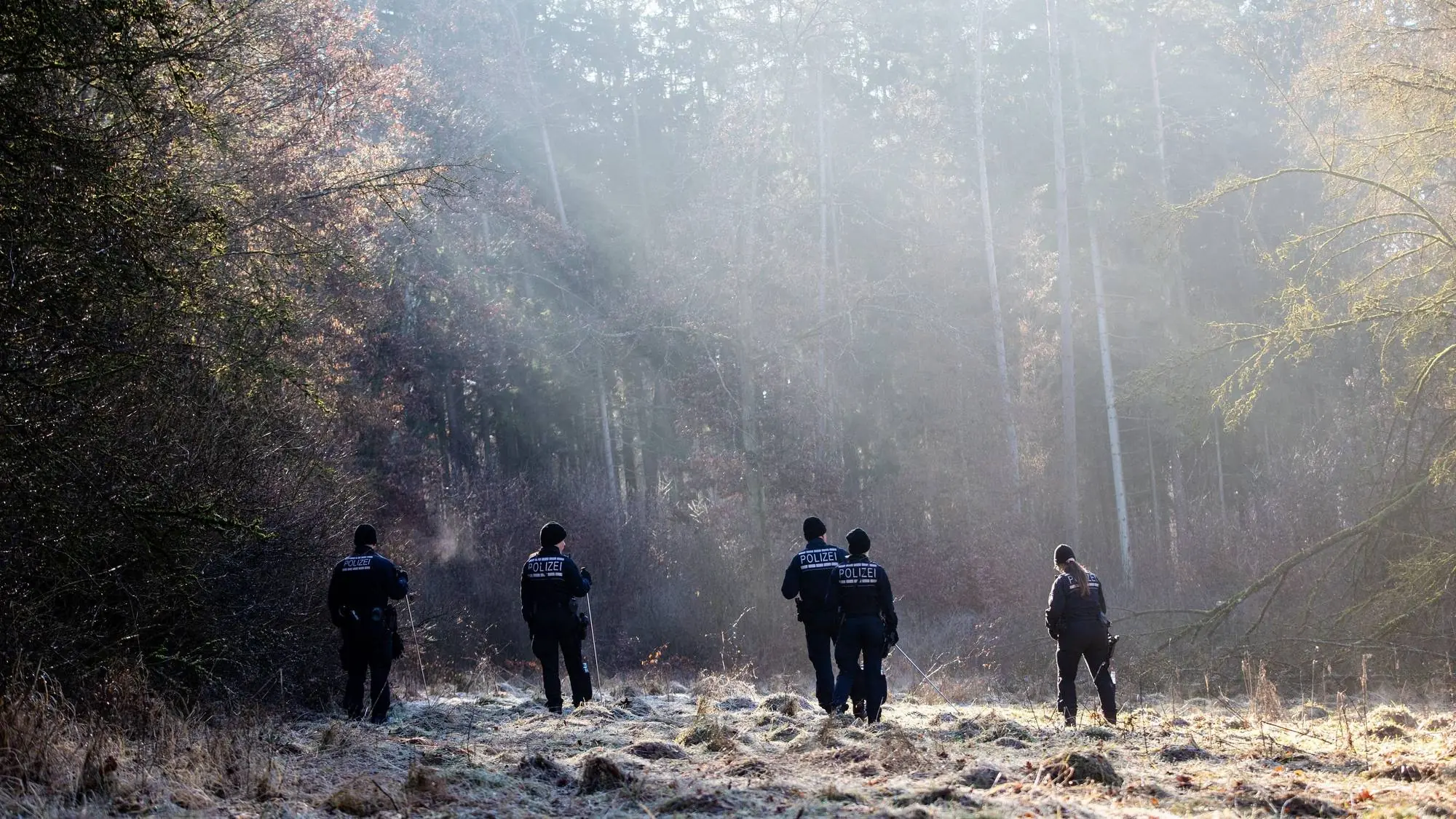
What We Know—and What Remains Unanswered
The supplied report provides a small number of central details:
-
A young boy had been missing for several days.
-
He was found in a wooded area.
-
The report says he was located unharmed.
-
Local law enforcement and volunteers were involved in the search.
-
Investigators say the father's role was unexpected and are making further inquiries.
-
The child is receiving care and support.
-
Authorities have emphasized communication, supervision, and timely action when a child's safety is at risk.
However, the report does not provide the child's name or age, the location of the incident, the exact length of the search, the father's specific actions, or the findings of any completed investigation.
Those gaps should remain visible rather than being filled with invented details.
The most important question raised by the headline—what exactly did the father do?—cannot be answered conclusively from the supplied text alone. The report confirms only that his role is being examined.
A more detailed official statement would be needed before making a stronger claim.
Final Thoughts: A Child Was Found, but the Full Story Still Matters
The news that a missing child has been found alive is a moment of enormous relief. For the people who searched, the volunteers who offered help, and the family members who waited for news, the discovery brings an end to the immediate fear of not knowing where the child was.
But the headline points to a second question: why is the father's role attracting attention?
The supplied report says investigators are trying to understand what happened. It does not establish that the father caused the disappearance or committed a crime. That distinction must be preserved until verified information becomes available.
For now, the most important facts are that the child was located, that the search involved law enforcement and volunteers, and that the child is receiving care and support. The investigation must establish the remaining details through evidence rather than speculation.
The case also offers a wider reminder. Children need appropriate supervision, adults responsible for their care need clear communication, and missing-child reports should be taken seriously from the beginning. When a child is found, physical safety and emotional well-being should remain the priority.
A successful search is something a community can be grateful for. A careful investigation is what can help explain how the situation happened and whether anything needs to change to prevent a similar incident.
Until authorities provide more information, the most accurate conclusion is also the most important one: the boy was found safe, but the circumstances surrounding his disappearance—and the father's reported role—still require clarification.