What Is Actually the Shrimp's Vein? The Surprising Truth Behind That Dark Line
If you've ever prepared shrimp at home, you've probably noticed a dark line running along the back of the shrimp. Many recipes instruct cooks to remove it before cooking, often referring to it as the shrimp's "vein."
But here's the surprising truth: that dark line isn't actually a vein at all.
So what exactly is it? Is it dangerous to eat? And should you always remove it before cooking? Let's take a closer look.
What Is the Dark Line on a Shrimp?
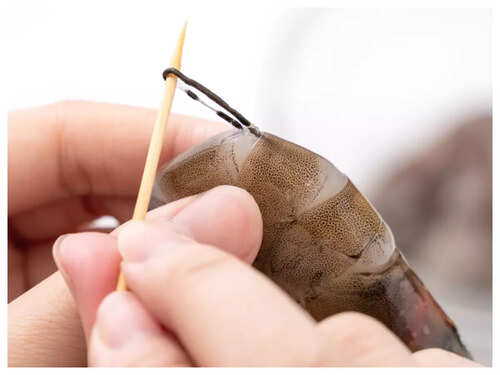
The so-called "vein" is actually the shrimp's digestive tract, sometimes referred to as the intestinal tract.
Just as humans have intestines that process food and eliminate waste, shrimp have a digestive system that runs through their bodies.
The dark color comes from partially digested food, sediment, and waste materials that may be present inside the tract.
Depending on what the shrimp has eaten and how recently it fed, the tract may appear:
- Dark black
- Brown
- Greenish
- Nearly transparent
This explains why some shrimp have a very noticeable line while others appear to have none at all.
Is It Safe to Eat?
In most cases, yes.
The digestive tract is generally not harmful if the shrimp has been properly handled, stored, and cooked.
Millions of people around the world consume shrimp with the tract intact without experiencing health problems.
Cooking destroys many potentially harmful microorganisms, making properly cooked shrimp safe to eat.
However, there are a few reasons why some people still prefer to remove it.
Why Do Many Cooks Remove It?
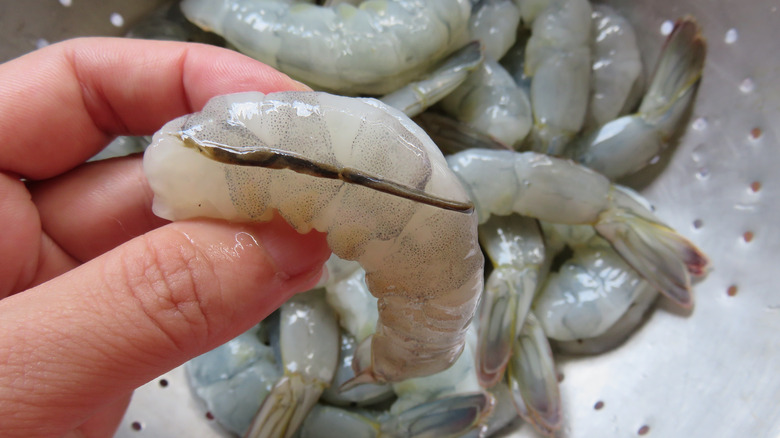
1. Improved Appearance
Many chefs remove the digestive tract simply because it looks more appealing.
A clean shrimp often has a more attractive appearance, especially in dishes where presentation matters.
Restaurants frequently devein shrimp to create a more polished final dish.
2. Better Texture
In larger shrimp, the digestive tract can sometimes feel slightly gritty due to the presence of sand or sediment.
Removing it may result in a smoother eating experience.
3. Cleaner Flavor
While many people notice little difference, some chefs believe that removing the tract can help eliminate any slightly bitter or muddy flavors that occasionally occur.
This is especially true for larger wild-caught shrimp.
When Is Deveining Most Important?

Not all shrimp require the same level of preparation.
Deveining is often recommended when:
- Using large shrimp
- Serving shrimp whole
- Preparing shrimp for special occasions
- The digestive tract appears especially dark or full
For small shrimp used in soups, stir-fries, or heavily seasoned dishes, many cooks choose to leave it intact.
How to Remove the Shrimp's "Vein"
Fortunately, deveining shrimp is simple.
Step 1: Peel the Shrimp
Remove the shell while leaving the tail on or off, depending on your recipe.
Step 2: Make a Shallow Cut
Using a small knife, carefully make a shallow incision along the back of the shrimp.
Step 3: Lift Out the Tract
You'll see the dark digestive tract exposed.
Use the tip of the knife or your fingers to gently pull it out.
Step 4: Rinse
Rinse the shrimp under cold water to remove any remaining debris.
The shrimp is now ready for cooking.
What About the Line on the Underside?
Some shrimp also have a lighter-colored line running along the underside.
This is not the digestive tract.
Instead, it is part of the shrimp's nervous and circulatory systems and is typically left untouched during preparation.
Nutritional Benefits of Shrimp
Regardless of whether you remove the digestive tract, shrimp can be a nutritious addition to a balanced diet.
Shrimp are rich in:
- High-quality protein
- Selenium
- Vitamin B12
- Phosphorus
- Iodine
- Omega-3 fatty acids
A serving of shrimp is relatively low in calories while providing important nutrients that support overall health.
Common Myths About Shrimp Veins
Myth #1: It's a Blood Vessel
False. The dark line is not a vein and does not carry blood.
Myth #2: Eating It Is Dangerous
False. Properly cooked shrimp with the digestive tract intact is generally safe to eat.
Myth #3: All Shrimp Must Be Deveined
False. Many people eat shrimp without removing the tract, particularly when the shrimp are small.
Myth #4: Deveining Changes Nutritional Value
False. Removing the digestive tract has little impact on the shrimp's overall nutritional content.
The Bottom Line
The "vein" found on the back of a shrimp is actually its digestive tract, not a blood vessel. While it may contain traces of digested food and waste, it is generally safe to eat when the shrimp is properly cooked.
Many cooks remove it for aesthetic reasons, texture, or flavor preferences, but doing so is largely a matter of personal choice. Whether you choose to devein your shrimp or not, understanding what that mysterious dark line really is can help you prepare and enjoy shrimp with greater confidence.
Next time you're cleaning shrimp, you'll know exactly what you're looking at—and why it's there.