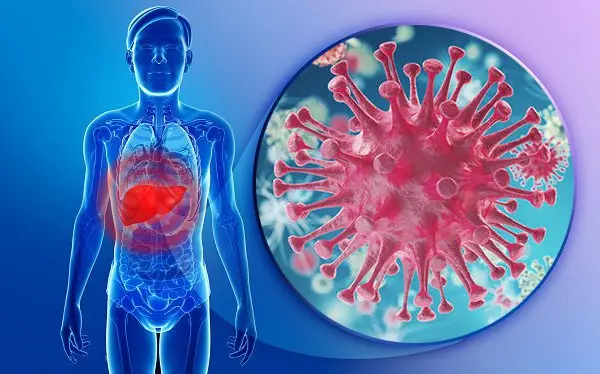
3 warning symptoms in the morning that might be linked to undiagnosed can.cer
3 morning health changes that could signal an undetected can.cer
Health 04/03/2026 15:38
Most Women Ignore This Daily Habit—And It Weakens Their Immune System
For years, public health messaging has focused on what women should add to their lives to stay healthy: more exercise, better diets, supplements, mindfulness routines. Yet mounting evidence suggests that one of the most damaging factors to women’s immune health is not what they are missing—but what they are doing every single day without question: chronically ignoring rest and recovery.
This habit is so normalized that it rarely registers as a health risk. But researchers increasingly warn that persistent sleep deprivation, mental overload, and the social expectation for women to “push through” exhaustion may be quietly undermining immune function—sometimes with long-term consequences.
Women’s immune systems are biologically complex and highly responsive to stress. Estrogen and progesterone interact directly with immune signaling, influencing inflammation, antibody production, and autoimmune responses. While this can offer advantages—women often mount stronger initial immune responses than men—it also comes at a cost.
When stress becomes chronic, the immune system does not simply weaken; it becomes dysregulated.
Studies in psychoneuroimmunology show that prolonged psychological and physical stress elevates cortisol levels. Over time, cortisol suppresses immune activity, increases systemic inflammation, and disrupts the body’s ability to fight infections efficiently. For women, this effect is amplified by hormonal fluctuations across the menstrual cycle, pregnancy, postpartum periods, and menopause.
The result is not always obvious illness. Instead, many women experience a pattern of subtle symptoms: frequent colds, slow recovery, chronic fatigue, inflammatory conditions, or heightened vulnerability to autoimmune disorders—conditions that disproportionately affect women worldwide.
The most troubling aspect is not the science—it is the silence surrounding it.
From a young age, women are often conditioned to view exhaustion as normal. Balancing professional demands, caregiving responsibilities, emotional labor, and social expectations leaves little room for genuine recovery. Rest is frequently framed as indulgent, lazy, or secondary to productivity.
In healthcare settings, women’s symptoms are also more likely to be minimized or attributed to stress alone. Ironically, this reinforces the very behavior that worsens immune health: enduring rather than addressing chronic strain.
What emerges is a dangerous feedback loop. Stress weakens immune resilience. Weakened immunity increases inflammation and illness. Illness is met with more pressure to “keep going.”
Sleep deprivation remains one of the most overlooked immune disruptors. While most adults require seven to nine hours of quality sleep, women—especially those managing caregiving roles—often function on far less.
Research shows that even modest, chronic sleep restriction reduces natural killer cell activity, impairs antibody responses, and increases inflammatory markers. Over time, this state mirrors accelerated immune aging.
But sleep alone does not tell the full story. Mental recovery matters just as much. Constant multitasking, emotional vigilance, and digital overstimulation keep the nervous system in a near-permanent state of alert. An immune system cannot fully regenerate in a body that never feels safe enough to rest.
Approximately 80 percent of autoimmune disease patients are women. While genetics play a role, experts increasingly point to environmental and lifestyle stressors as critical triggers.
Chronic immune activation—driven by stress, poor recovery, and hormonal imbalance—can push the immune system toward attacking the body itself. Conditions such as lupus, rheumatoid arthritis, Hashimoto’s thyroiditis, and multiple sclerosis are now widely studied through this lens.
Ignoring rest is not merely a lifestyle choice. For some women, it may be a risk factor.
Importantly, this is not about individual blame. Women are not failing their immune systems; systems are failing women.
Work cultures that reward overextension, healthcare models that underdiagnose female-specific immune issues, and wellness narratives that prioritize “doing more” all contribute to the problem. Advising women to simply “manage stress better” without addressing structural pressures misses the point entirely.
True immune resilience requires a shift in values—one that recognizes recovery as biological necessity, not a reward.
The most shocking truth is how unremarkable this habit appears. There is no dramatic symptom at first. No immediate collapse. Just a slow erosion of resilience that many women come to accept as normal aging or inevitable burnout.
But the immune system remembers. And over time, it responds.
As research continues to uncover the intimate link between stress, recovery, and immune health, one message becomes increasingly difficult to ignore: rest is not optional for women’s health—it is foundational.
Ignoring it may be the most common immune risk women face today.
3 morning health changes that could signal an undetected can.cer
Why dark chocolate is good for you: 7 proven benefits
A beginner’s guide to Pine Cone Syrup: Why it’s useful and how to make it at home

If You Notice a Rotten Fish Smell, Here’s What Your Body Might Be Telling You

Don’t Ignore These 3 Urine Changes — Your Kidneys Could Be at Risk

Why You’re More Gassy at Night (And What You Can Do)
Sleeping With… Could Affect You More Than You Think

Lung cancer is one of the leading causes of cancer-related deaths worldwide.

Are Bamboo Shoots Harmful in Large Amounts?
Itchy Ears? Beware of Juvenile Spring Eruption
Serious Health Clues Hidden in Your Nasal Symptoms
10 powerful health benefits of Dog Rose (Rosa canina) and the best ways to use it
Don’t ignore this unusual sign in your body - it may indicate late-stage nasopharyngeal can.cer
Is tilapia really good for you? Some facts might make you think twice
White Coating on Your Tongue? Here’s What Your Body Might Be Telling You

3 overlooked spousal habits that may put wives at greater risk for cer.vical can.cer - awareness matters
The 3-Hour Rule Before Bed: A Simple Habit for Better Blood Pressure and Blood Sugar
These 5 strange signs could be warning signals of dia.betes - don’t ignore them
Why People in Japan Sleep on the Floor and 5 Reasons to Give It a Try

7 Important Signs Your Body Is Crying Out for Help

Don’t rush to discard bubble wrap - it can still be useful
3 morning health changes that could signal an undetected can.cer

Which Animal Did You Notice First? What It May Say About Your Personality
Why dark chocolate is good for you: 7 proven benefits
A beginner’s guide to Pine Cone Syrup: Why it’s useful and how to make it at home
If You Notice a Rotten Fish Smell, Here’s What Your Body Might Be Telling You
Don’t Ignore These 3 Urine Changes — Your Kidneys Could Be at Risk
Why You’re More Gassy at Night (And What You Can Do)
Sleeping With… Could Affect You More Than You Think
Lung cancer is one of the leading causes of cancer-related deaths worldwide.
Are Bamboo Shoots Harmful in Large Amounts?
Itchy Ears? Beware of Juvenile Spring Eruption

Simple ways to recognize venomous snakes and protect yourself in the wild
Serious Health Clues Hidden in Your Nasal Symptoms
10 powerful health benefits of Dog Rose (Rosa canina) and the best ways to use it
Don’t ignore this unusual sign in your body - it may indicate late-stage nasopharyngeal can.cer
Is tilapia really good for you? Some facts might make you think twice
White Coating on Your Tongue? Here’s What Your Body Might Be Telling You
3 overlooked spousal habits that may put wives at greater risk for cer.vical can.cer - awareness matters
The 3-Hour Rule Before Bed: A Simple Habit for Better Blood Pressure and Blood Sugar