🧠 Reasons People Get Unusual White Bumps on Lips or Genital Area
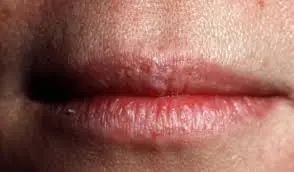
Noticing small white bumps on your lips or in the genital area can be concerning, but in many cases, these changes are common and not dangerous. However, there are several possible causes, and understanding them can help you know when to simply observe—and when to seek medical advice.
1. Fordyce spots (harmless oil glands)
One of the most common causes is Fordyce spots, which are small, white or yellowish bumps caused by enlarged oil glands. They often appear on the lips or genital area and are completely harmless, requiring no treatment.
2. Ingrown hairs
In the genital area, ingrown hairs can form small white or red bumps when hair grows back into the skin after shaving or waxing. These may be slightly irritated but usually resolve on their own.
3. Milia (on or around the lips)

On or near the lips, tiny white bumps called milia can appear when dead skin becomes trapped under the surface. They are painless and often disappear naturally over time.
4. Acne or clogged pores
Just like on the face, blocked pores can lead to small white bumps in both areas. This is more common where the skin is oily or exposed to friction.
5. Viral or sexually transmitted infections (in some cases)
Some white or flesh-colored bumps can be linked to infections such as HPV (genital warts) or herpes, especially if they are painful, spreading, or changing in appearance. These require medical evaluation and treatment.
⚠️ When to see a doctor
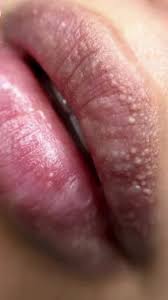
You should seek medical advice if you notice:
- Painful or rapidly changing bumps
- Itching, burning, or discomfort
- Clusters of bumps that spread
- Open sores or unusual discharge
🧾 Bottom line
Most white bumps on the lips or genital area are benign and harmless, but because some can be linked to infections or skin conditions, it’s important not to self-diagnose. When in doubt, a healthcare professional can give you a clear answer and peace of mind.