Water looks harmless - basic, essential, “the more the better,” right? Not quite. Hydration is about balance and timing, not just volume. Some everyday habits around drinking water can quietly disrupt digestion, dilute electrolytes, and even strain organs if done repeatedly.
Here are five common mistakes and what’s actually happening inside the body.
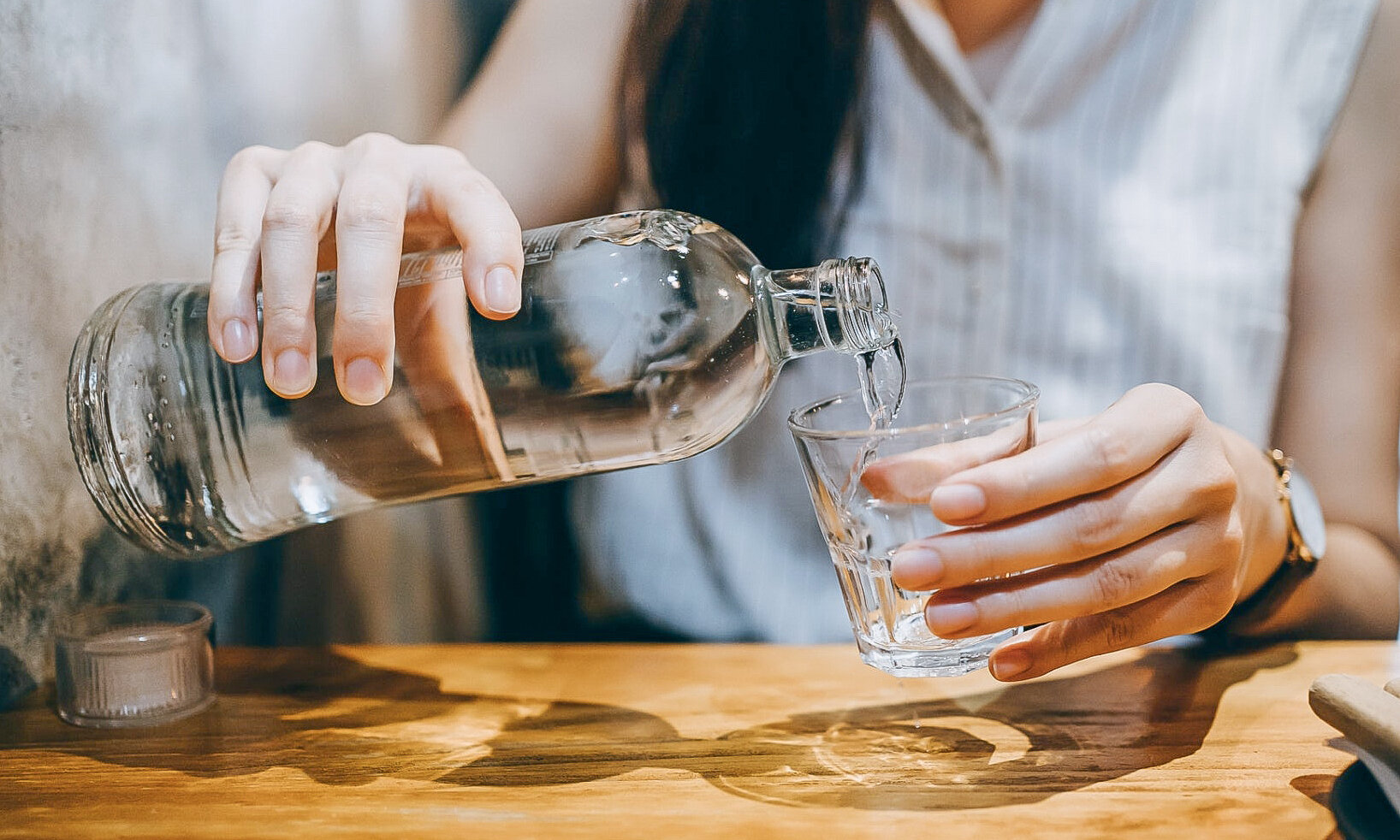
1. Drinking Too Much Water Too Quickly
Chugging large amounts in a short time can dilute sodium in the bloodstream, a condition known as Hyponatremia. Sodium helps regulate fluid balance and nerve function; when it drops too low, cells begin to swell.
What you might feel:
- Headache, nausea, confusion
- Bloating or a “heavy” feeling
- In severe cases: neurological symptoms
Why it happens:
The kidneys can only process a limited volume of water per hour. Overloading that capacity disrupts osmotic balance.
Better approach:
Sip steadily throughout the day instead of chugging. Spread intake across waking hours.
2. Drinking Water Immediately Before or After Meals
Large volumes of water around mealtime can dilute gastric juices and enzymes involved in Digestion.
What you might notice:
- Slower digestion
- Bloating or mild discomfort
- Reduced nutrient absorption (especially if chronic)
What’s going on:
Stomach acid concentration matters. Excess fluid at the wrong moment can reduce its effectiveness, especially in individuals already prone to low stomach acid.
Better approach:
Drink water 20–30 minutes before meals, then limit intake during eating to small sips if needed.
3. Ignoring Electrolyte Balance
Water alone isn’t enough—your body also needs electrolytes like sodium, potassium, and magnesium to regulate fluid distribution.
Why this matters:
Overhydrating with plain water can disrupt electrolyte gradients, especially after sweating, exercise, or illness.
Common signs:
- Fatigue despite drinking plenty of water
- Muscle cramps
- Lightheadedness
Better approach:
If you sweat a lot or exercise intensely, include electrolyte sources (food or balanced drinks), not just plain water.
4. Drinking Ice-Cold Water Constantly
Cold water isn’t “bad,” but consistently drinking very cold water can affect circulation and digestive efficiency.
Potential effects:
- Temporary constriction of blood vessels
- Slower breakdown of fats during digestion
- Increased sensitivity in teeth or throat
What’s happening physiologically:
The body expends energy to warm cold water to core temperature. In sensitive individuals, this may mildly interfere with digestive processes.
Better approach:
Opt for cool or room-temperature water, especially around meals or when your stomach feels sensitive.
5. Waiting Until You’re Extremely Thirsty
Thirst is a late signal, not an early one. By the time you feel very thirsty, mild dehydration may already be present.
Early dehydration signs:
- Dry mouth
- Reduced focus
- Darker urine
- Fatigue
Why it matters:
Even mild dehydration can affect cognitive performance, mood, and physical efficiency.
Better approach:
Drink consistently throughout the day. Use urine color (pale straw = good) as a practical hydration indicator.

Final Take
Hydration isn’t about forcing down as much water as possible - it’s about precision. Your body relies on a stable internal environment, and even something as simple as water can disrupt that balance if handled carelessly.
The smarter hydration strategy:
- Drink regularly, not excessively
- Time intake around meals wisely
- Maintain electrolyte balance
- Avoid extremes (too cold, too much, too fast)
When done right, water supports every system - from circulation to brain function. When done wrong, it can quietly create the opposite effect.
Your body doesn’t just need water. It needs the right amount, at the right time, in the right way.