One Month Before a Heart Attack, Your Feet May Warn You With These 6 Signs
Most people associate heart attacks with sudden chest pain, shortness of breath, or pain radiating to the arm. However, what many don’t realize is that the body can begin sending warning signals weeks in advance — and some of the earliest clues may appear in an unexpected place: your feet.
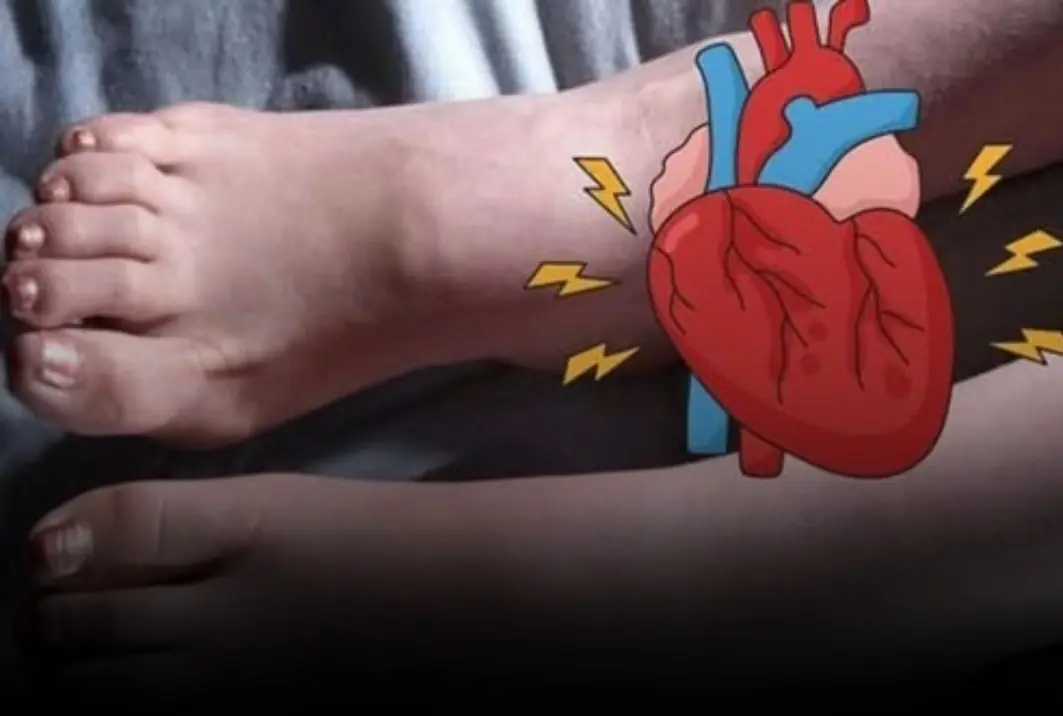
Because the heart is responsible for pumping blood throughout the entire body, any decline in heart function can affect circulation, especially in areas farthest from the heart. The feet, therefore, can become a silent early warning system.
Below are six foot-related signs that may appear up to a month before a heart attack and should never be ignored.
1. Persistent Swelling in the Feet or Ankles
Swelling, also known as peripheral edema, occurs when fluid builds up in the tissues. When the heart struggles to pump efficiently, blood can back up in the veins, causing fluid to leak into surrounding tissues.
If you notice:
-
Swollen feet or ankles that worsen by evening
-
Tight shoes that suddenly feel uncomfortable
-
Swelling that doesn’t improve overnight
This could indicate early heart strain or heart failure, especially if it appears without injury.
2 . Cold Feet That Don’t Warm Up
Cold feet are not always about the weather. Reduced blood circulation caused by narrowing or blocked arteries can prevent warm, oxygen-rich blood from reaching the extremities.
Warning signs include:
-
Feet that feel cold even in warm environments
-
Cold sensation accompanied by numbness or tingling
-
Color changes (pale or bluish skin)
Poor circulation is often linked to atherosclerosis, a major risk factor for heart attacks.
3. Foot Pain or Cramping While Walking
Pain, cramping, or heaviness in the feet or calves during movement — which improves with rest — may signal peripheral artery disease (PAD).
PAD occurs when plaque builds up in arteries, limiting blood flow. It is closely associated with coronary artery disease and significantly increases the risk of heart attack.
This type of pain is often:
-
Triggered by walking or climbing stairs
-
Relieved by stopping and resting
-
Gradually worsening over time
4. Numbness or Tingling in the Feet
A constant pins-and-needles sensation or numbness can indicate poor circulation or nerve irritation due to inadequate blood supply.
While diabetes is a common cause, cardiovascular problems can also reduce oxygen delivery to nerves, leading to abnormal sensations.
If numbness appears suddenly, worsens, or occurs alongside fatigue or chest discomfort, it deserves immediate attention.
5. Changes in Skin Color or Texture
Your feet can visually reflect circulatory health. Watch for:
-
Pale, bluish, or purplish skin
-
Shiny or stretched-looking skin
-
Slow-healing sores or ulcers
These changes suggest insufficient blood flow, which often accompanies heart disease and vascular damage.
6. Unusual Foot Fatigue or Weakness
Feeling unusually tired in your feet — even after minimal activity — may be a sign that your muscles are not receiving enough oxygenated blood.
This type of fatigue is different from normal tiredness. It may feel like:
-
Heavy, weak feet
-
Reduced endurance
-
Difficulty standing or walking for long periods
When combined with overall exhaustion or shortness of breath, it can signal declining heart efficiency.
Why These Signs Matter
A heart attack rarely comes out of nowhere. In many cases, the body sends subtle warnings weeks or even months in advance. Unfortunately, these signs are often dismissed as aging, circulation issues, or minor discomforts.
The feet, being farthest from the heart, are especially sensitive to changes in blood flow — making them an important early indicator of cardiovascular stress.