Pancreatic cancer is often described as one of the most challenging cancers to detect early. Unlike some other forms of cancer that produce noticeable warning signs in the early stages, pancreatic cancer may develop quietly and remain undetected until it has already progressed. Because of this, awareness of potential symptoms and risk factors is extremely important.
The pancreas plays a vital role in digestion and blood sugar regulation. It produces enzymes that help break down food and hormones such as insulin that control glucose levels. When cancer develops in this organ, its effects can influence many different systems in the body.
Although pancreatic cancer is not among the most common cancers worldwide, it is considered one of the most serious because it is often diagnosed at a later stage. However, recognizing early warning signs and seeking medical evaluation when symptoms appear may improve the chances of earlier diagnosis and treatment.
Understanding the symptoms associated with pancreatic cancer can help individuals become more aware of changes in their bodies and seek timely medical advice.
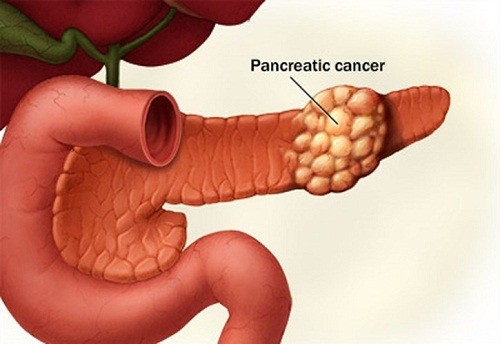
Understanding the Pancreas and Its Role
Before discussing the symptoms, it helps to understand what the pancreas does and why cancer in this organ can affect the body in many ways.
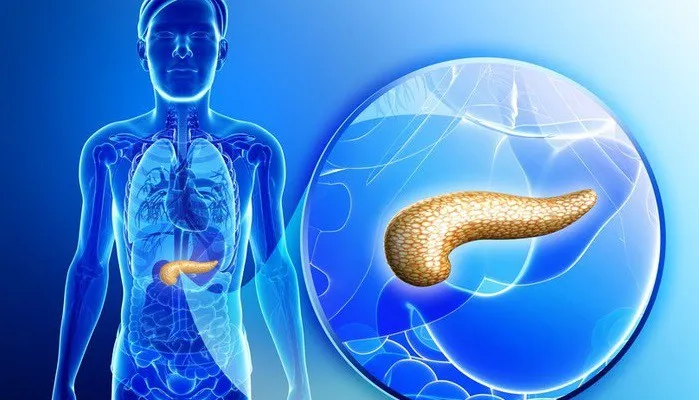
The pancreas is a gland located deep in the abdomen, behind the stomach. It has two primary functions:
Digestive function. The pancreas produces enzymes that help digest fats, proteins, and carbohydrates in the small intestine.
Hormonal function. It produces hormones such as insulin and glucagon, which regulate blood sugar levels.
Because the pancreas interacts with both the digestive and endocrine systems, problems in this organ may cause a wide variety of symptoms.
Why Pancreatic Cancer Is Often Hard to Detect Early
One of the main challenges with pancreatic cancer is that early tumors may not cause obvious symptoms. The pancreas is located deep within the abdomen, so small tumors can grow without immediately affecting surrounding organs.
In many cases, symptoms begin to appear only when the tumor grows large enough to block nearby structures such as the bile duct or when it spreads to other parts of the body.
However, there are several signs that may appear earlier and should not be ignored.
Important Symptoms to Watch for
While these symptoms do not necessarily mean pancreatic cancer is present, persistent or unexplained changes in health should always be discussed with a healthcare professional.
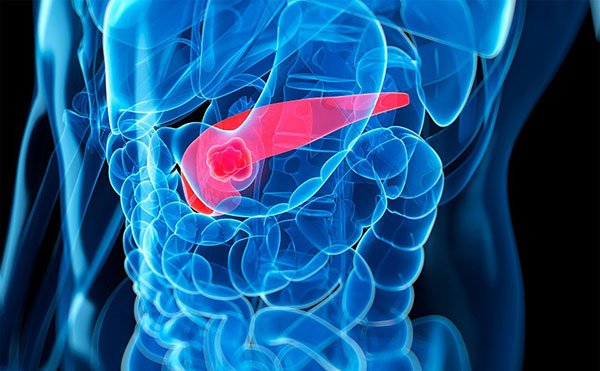
1. Persistent Abdominal Pain
One of the most commonly reported symptoms is pain in the upper abdomen that may radiate to the back.
This pain can occur because the growing tumor presses on nearby nerves or organs. The discomfort may be dull and persistent, sometimes worsening after eating or when lying down.
Some people describe the pain as a deep ache that gradually intensifies over time.
2. Unexplained Weight Loss
Sudden or unexplained weight loss is another potential warning sign.
When the pancreas is not functioning properly, the body may struggle to digest food effectively. This can lead to reduced nutrient absorption and unintended weight loss.
Additionally, cancer itself can change the body's metabolism, causing weight loss even when eating habits remain unchanged.
If weight loss occurs without dieting or increased physical activity, medical evaluation is recommended.
3. Yellowing of the Skin or Eyes (Jaundice)
Jaundice is often one of the most noticeable symptoms of pancreatic cancer, especially when the tumor blocks the bile duct.
Signs of jaundice may include:
-
Yellowing of the skin and the whites of the eyes
-
Dark-colored urine
-
Pale or light-colored stools
-
Itchy skin
These symptoms occur when bile cannot flow properly from the liver into the intestines, leading to a buildup of bilirubin in the body.
4. Digestive Problems
Because the pancreas produces digestive enzymes, pancreatic cancer may interfere with normal digestion.
Some individuals experience:
-
Loss of appetite
-
Nausea or vomiting
-
Bloating after meals
-
Difficulty digesting fatty foods
In some cases, stools may become greasy, floating, or foul-smelling due to poor fat digestion.
5. New-Onset Diabetes
The pancreas is responsible for producing insulin, the hormone that controls blood sugar levels.
In some cases, pancreatic cancer may affect insulin production, leading to new-onset diabetes, particularly in individuals who previously had normal blood sugar levels.
Symptoms of diabetes may include:
-
Increased thirst
-
Frequent urination
-
Fatigue
-
Blurred vision
While diabetes has many possible causes, sudden onset in older adults may sometimes prompt doctors to investigate pancreatic health.
6. Persistent Fatigue
Fatigue is a common symptom in many illnesses, including cancer.
People with pancreatic cancer may experience ongoing tiredness that does not improve with rest. This fatigue can be related to metabolic changes, poor nutrition, or the body's response to illness.
7. Changes in Stool
Pancreatic problems can alter how fats are digested, leading to stool changes such as:
-
Pale or clay-colored stools
-
Greasy or oily appearance
-
Floating stools
-
Strong odor
These changes occur because digestive enzymes are not reaching the intestines properly.
8. Blood Clots
In some cases, pancreatic cancer may increase the risk of blood clots.
Symptoms of a blood clot in the leg may include:
-
Swelling
-
Pain or tenderness
-
Redness or warmth in the affected area
Although blood clots have many causes, unexplained clotting can sometimes be associated with underlying health conditions.
Risk Factors Associated With Pancreatic Cancer
While pancreatic cancer can occur in anyone, certain factors may increase risk.
Some known risk factors include:
-
Smoking
-
Chronic pancreatitis (long-term inflammation of the pancreas)
-
Obesity
-
Family history of pancreatic cancer
-
Diabetes
-
Age over 60
Having one or more risk factors does not mean someone will develop pancreatic cancer, but awareness may encourage earlier medical evaluation when symptoms appear.
When to Seek Medical Advice
Many of the symptoms mentioned above can also be caused by other conditions, including digestive disorders or gallbladder problems.
However, it is important to consult a healthcare professional if symptoms are:
-
Persistent
-
Worsening over time
-
Unexplained by lifestyle or diet changes
Doctors may use imaging tests such as CT scans, MRI scans, or endoscopic ultrasound to examine the pancreas and determine whether further investigation is needed.
The Importance of Early Detection
Early detection can significantly improve treatment options and outcomes.
When pancreatic cancer is diagnosed in its early stages, surgery may sometimes remove the tumor before it spreads. In later stages, treatment may focus on slowing disease progression and improving quality of life.
This is why understanding potential warning signs is so important.
Protecting Pancreatic Health
While not all cases of pancreatic cancer can be prevented, certain lifestyle choices may support overall pancreatic health.
Helpful habits include:
-
Avoiding tobacco products
-
Maintaining a healthy body weight
-
Eating a balanced diet rich in fruits and vegetables
-
Limiting processed foods and excessive alcohol
-
Staying physically active
These habits support general health and may reduce the risk of several chronic diseases.
Final Thoughts
Pancreatic cancer remains a serious health condition, partly because it often develops quietly and produces subtle symptoms in the early stages. Increasing awareness of possible warning signs can help individuals recognize changes in their health and seek medical evaluation sooner.
Symptoms such as persistent abdominal pain, unexplained weight loss, jaundice, digestive issues, and sudden changes in blood sugar levels should never be ignored.
Although these symptoms may have many different causes, paying attention to the body and discussing concerns with a healthcare professional can play a crucial role in early detection.
Staying informed and attentive to health changes is one of the most powerful steps anyone can take toward protecting their long-term wellbeing.